Mastering Customs Clearance
Introduction to Customs Clearance
The Border Checkpoint for Goods
When you buy something from another country, it doesn't just appear at your door. Before it can enter, it must go through a process called customs clearance. Think of it as a country's official checkpoint for all incoming and outgoing goods. The main goal is to ensure that everything crossing the border is legal, safe, and has paid any required taxes.
Customs Clearance
noun
The official process of getting goods through customs, allowing them to enter or leave a country. This includes inspection, documentation review, and payment of duties.
This procedure applies to both individuals receiving a single package and large corporations shipping containers full of products. Every item is subject to the destination country's laws and regulations. Without this process, there would be no way to control what enters a country, collect important revenue, or protect citizens from harmful products.
The Role of Customs Authorities
Customs authorities are the government agencies responsible for managing this process. In the United States, this agency is U.S. Customs and Border Protection (CBP). Their officers are stationed at airports, seaports, and land borders. Their job is multifaceted, balancing security with the smooth flow of legitimate trade.
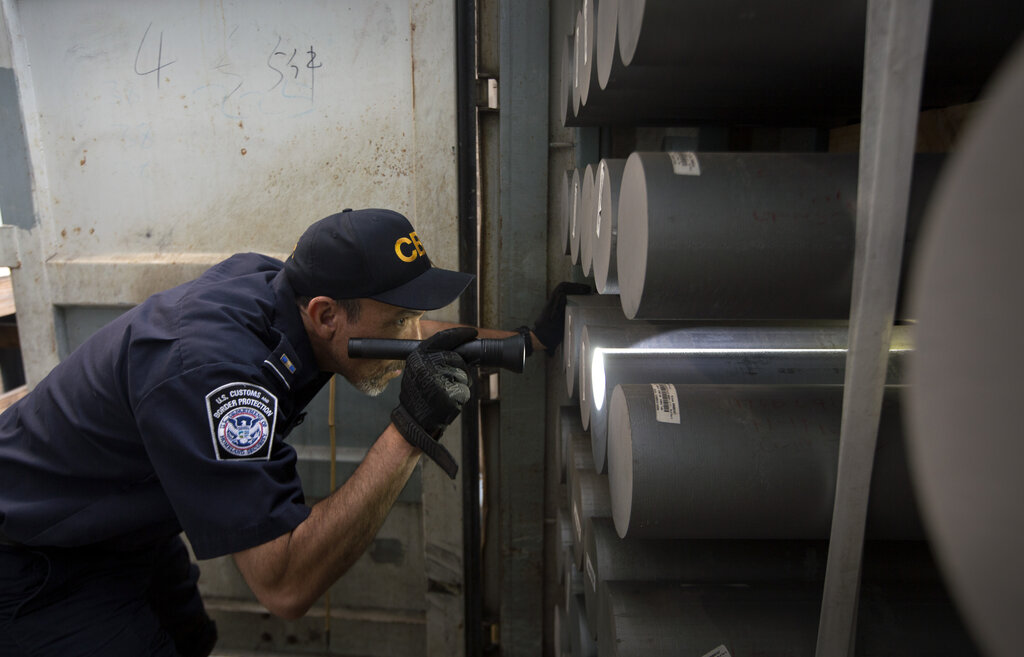
Their primary responsibilities include:
- Collecting Revenue: They assess and collect tariffs, duties, and taxes on imported goods. This is a significant source of income for many governments.
- Enforcing Laws: They prevent illegal items like narcotics, counterfeit goods, and prohibited weapons from entering the country.
- Protecting National Interests: This involves safeguarding public health from unsafe products, protecting agriculture from invasive species, and defending domestic industries from unfair trade practices.
Customs authorities act as gatekeepers, ensuring that trade is not only profitable but also safe and fair.
Import and Export Basics
The customs process looks different depending on whether goods are entering or leaving a country. While the specifics vary by nation, the general flow is similar.
Importing is the process of bringing goods into a country. This is where customs clearance is most intensive. The importer must declare the nature, origin, and value of the goods. Customs officials use this information to determine if the goods are admissible and how much in duties and taxes are owed.
Exporting is the process of sending goods out of a country. This is generally a simpler process, as countries are less restrictive about what leaves. However, declarations are still required to track trade data and ensure that restricted items, like military technology or cultural artifacts, aren't illegally exported.
Why Compliance Matters
Following international trade regulations isn't optional. Compliance is essential for any business or individual involved in cross-border trade. Properly declaring goods, paying the correct duties, and adhering to all rules ensures a smooth and predictable process.
Navigating the paperwork required for ocean freight shipping is essential to avoid customs issues and transit delays.
Failure to comply can lead to significant problems. These can range from minor delays and extra fees to severe penalties, including seizure of the goods, substantial fines, and even criminal charges for fraudulent declarations. For a business, a history of non-compliance can lead to more frequent and thorough inspections, slowing down their entire supply chain.
Ultimately, the global trade system relies on trust and adherence to a shared set of rules. Compliance ensures the system works efficiently for everyone.
Time to check your understanding of these core concepts.
What is the primary purpose of the customs clearance process?
Which of the following is NOT a primary responsibility of a customs authority like U.S. Customs and Border Protection (CBP)?
Understanding these basics provides a foundation for navigating the complex world of international trade. It's a system of checks and balances that keeps global commerce moving.