Mastering Customer Success
Introduction to Customer Success
What Is Customer Success?
Customer success is a business strategy focused on making sure your customers achieve their desired outcomes while using your product or service. It’s not just about keeping them happy; it’s about making them successful. When customers succeed, they're more likely to stick around, buy more, and tell others about their positive experience. This creates a cycle of loyalty and growth for the business.
Customer success (CS) ensures that your customers are set up for success to achieve their business goals.
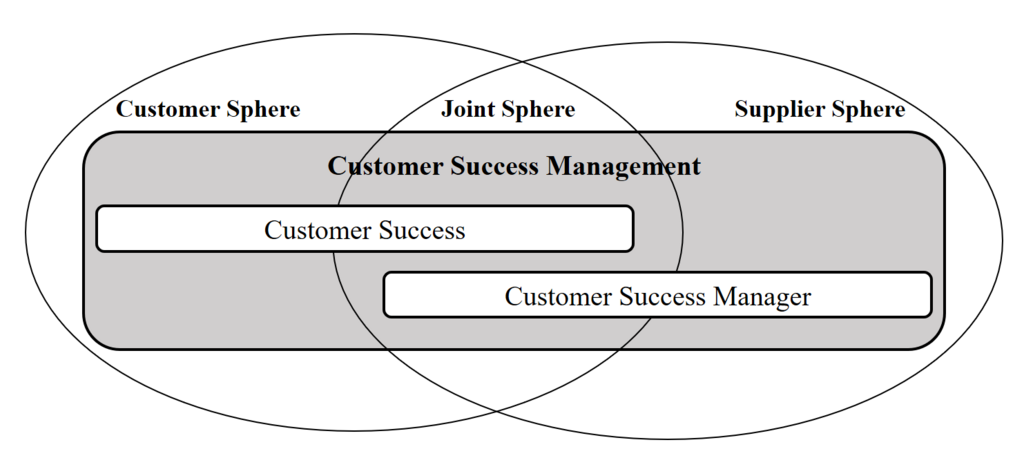
Think of it as a partnership. Instead of a one-time transaction where a product is sold and the relationship ends, customer success management (CSM) builds an ongoing relationship. The goal is to align the customer's goals with what the business can offer, leading to mutual success.
From Support to Success
For a long time, companies focused on customer support. This was essential, but it was almost always reactive. A customer would have a problem, contact support, and the support team would fix it. It was like a firefighter putting out fires as they appeared.
Customer success is a fundamental evolution of this model. It's proactive. Instead of waiting for problems, a Customer Success Manager (CSM) works to prevent them from happening in the first place. They act more like a guide on a journey, helping the customer navigate the product effectively to reach their destination.
| Customer Support | Customer Success | |
|---|---|---|
| Approach | Reactive | Proactive |
| Focus | Solving problems | Achieving goals |
| Relationship | Transactional | Relational |
| Goal | Close tickets | Drive value & growth |
This shift from a reactive to a proactive mindset is the core difference. Customer support is measured by how quickly and efficiently it resolves issues. Customer success is measured by the customer's achievements and long-term loyalty.
A Proactive Partnership
So what does this proactive engagement look like in practice? The key objectives of customer success are to understand what a customer hopes to accomplish and then guide them there.
This involves several core activities:
- Onboarding: Helping new customers get started smoothly and experience the value of the product quickly.
- Regular Check-ins: Actively communicating with customers to understand their progress, challenges, and changing goals.
- Education: Sharing best practices, new features, and strategies to help customers get more value out of the product.
- Advocacy: Acting as the customer's voice within the company, providing feedback to the product and marketing teams to drive improvements.
By focusing on these areas, customer success teams build deep, trusting relationships. They ensure that customers not only stay with the company but also grow with it.
Time to check what you've learned.
What is the primary goal of a customer success strategy?
The core difference between customer success and customer support is that customer success is ________, while customer support is ________.
This proactive, goal-oriented approach transforms the customer relationship from a simple transaction into a true partnership.