Mastering Customer Success
Introduction to Customer Success
What is Customer Success?
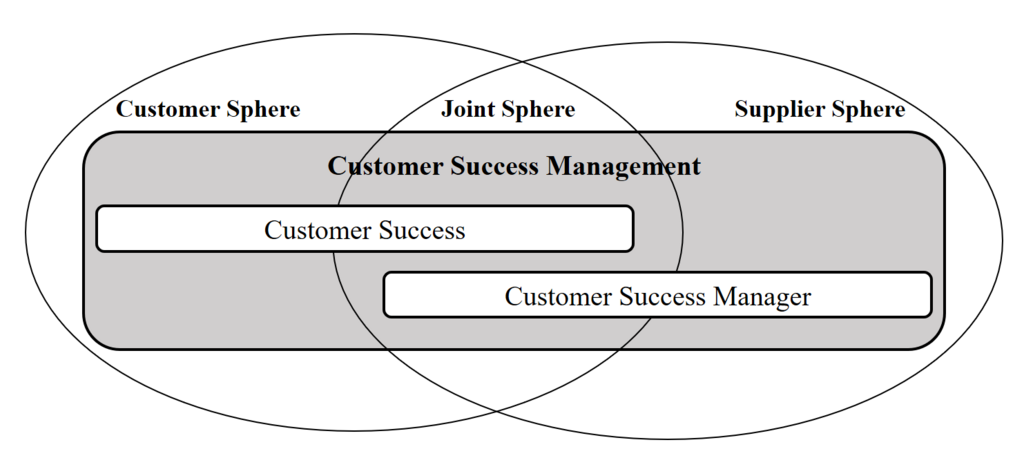
Customer Success is the practice of ensuring your customers achieve their desired outcomes while using your product or service. It’s a proactive approach focused on the long-term health of the customer relationship. Think of it less as a department and more as a company-wide philosophy.
Customer success (CS) ensures that your customers are set up for success to achieve their business goals.
This might sound like customer support, but there's a key difference. Customer support is reactive; it solves problems as they arise. If a customer calls with a broken feature, the support team fixes it. Customer Success is proactive; it aims to prevent problems and help customers find value before they even have to ask.
A Customer Success Manager (CSM) might notice a customer isn't using a key feature that could save them time. They'll reach out to offer guidance, ensuring the customer gets the full value of their purchase. One is about fixing issues, the other is about creating value.
The Rise of Customer Success
The idea of keeping customers happy isn't new. But the formal practice of Customer Success is relatively recent, born from the shift to subscription-based business models, especially in the Software as a Service (SaaS) industry.
In the old model, a company sold a product once. The sale was the finish line. With subscriptions, the initial sale is just the starting line. A business now has to earn its customer's loyalty every single month or year. If customers don't see the value in a product, they'll simply cancel their subscription. This change made customer retention just as important as customer acquisition, and Customer Success became the engine for that retention.
The Customer Success Manager Role
A Customer Success Manager (CSM) is the customer's main advocate within a company. They are relationship builders and strategic partners, responsible for making sure the customer thrives. Their day-to-day work often involves several key responsibilities.
Onboarding: CSMs guide new customers through the initial setup process, ensuring a smooth start and helping them achieve their first quick win with the product.
Proactive Engagement: They monitor customer health, track product usage, and reach out with tips, best practices, and strategies to help customers get more value. This isn't about waiting for a problem; it's about anticipating needs.
Acting as the Voice of the Customer: CSMs gather feedback and share customer insights with the product, marketing, and sales teams. This helps the entire company make more customer-centric decisions.
Driving Renewals and Expansion: By ensuring customers are successful, CSMs naturally drive renewals. They also identify opportunities for customers to benefit from additional products or features, leading to account growth.
Ultimately, a CSM's job is to build a strong, lasting relationship built on trust and mutual success.
Time to check what you've learned.
What is the primary goal of the Customer Success practice?
Customer Support is primarily _______, while Customer Success is _______.
Understanding these fundamentals is the first step. By focusing on the customer's goals, businesses create a win-win scenario: customers achieve what they set out to do, and the company builds a loyal, growing user base.