Mastering Custom Clearance Procedures
Introduction to Customs Clearance
What Is Customs Clearance?
Whenever goods cross an international border, they must pass through customs. This official process is known as customs clearance. Think of it like going through security at an airport, but for products instead of people. It's the procedure that allows shipments to legally enter or exit a country.
Customs Clearance
noun
The act of moving goods through customs so they can enter or leave a country. It involves submitting documentation and paying any applicable duties or taxes.
The main purpose is to give a country's government control over what comes in and what goes out. This control helps them do a few key things: protect domestic industries, ensure the safety and security of their citizens, and collect revenue through taxes and fees.
Why It Matters for Trade
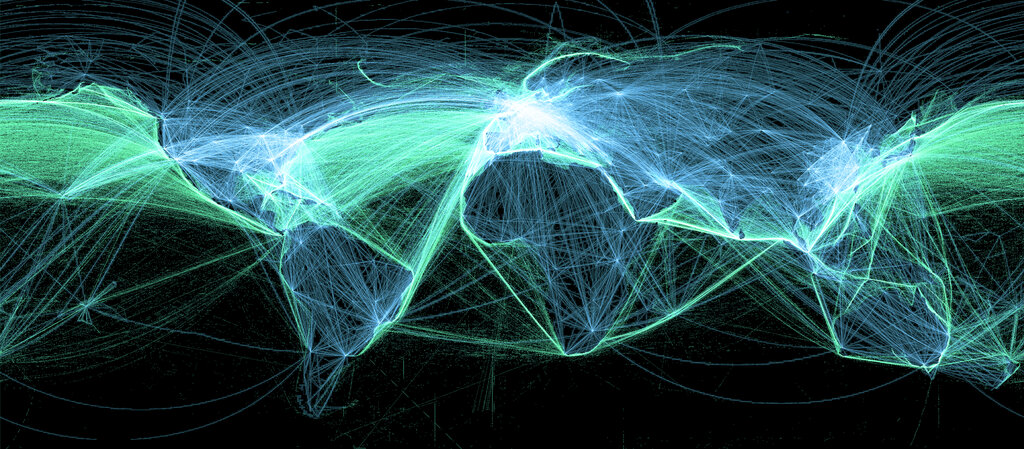
International trade is a massive, interconnected system of ships, planes, and trucks moving goods all over the planet. Customs clearance is the gatekeeper of this system. When it works smoothly, goods move efficiently from sellers to buyers, keeping the global economy humming.
But when there's a problem, everything can grind to a halt. A simple mistake in paperwork or a failure to follow the rules can lead to significant issues.
Without proper custom clearance, your goods could be delayed at the port, incur fines, or even be confiscated.
For any business involved in importing or exporting, understanding the basics of customs is not just helpful, it's essential. It prevents costly delays and ensures that products reach their destinations as planned.
The Role of Customs Authorities
Every country has a government agency responsible for managing its borders. In the United States, this is U.S. Customs and Border Protection (CBP). These organizations, often called customs authorities, are tasked with enforcing the rules of international trade.
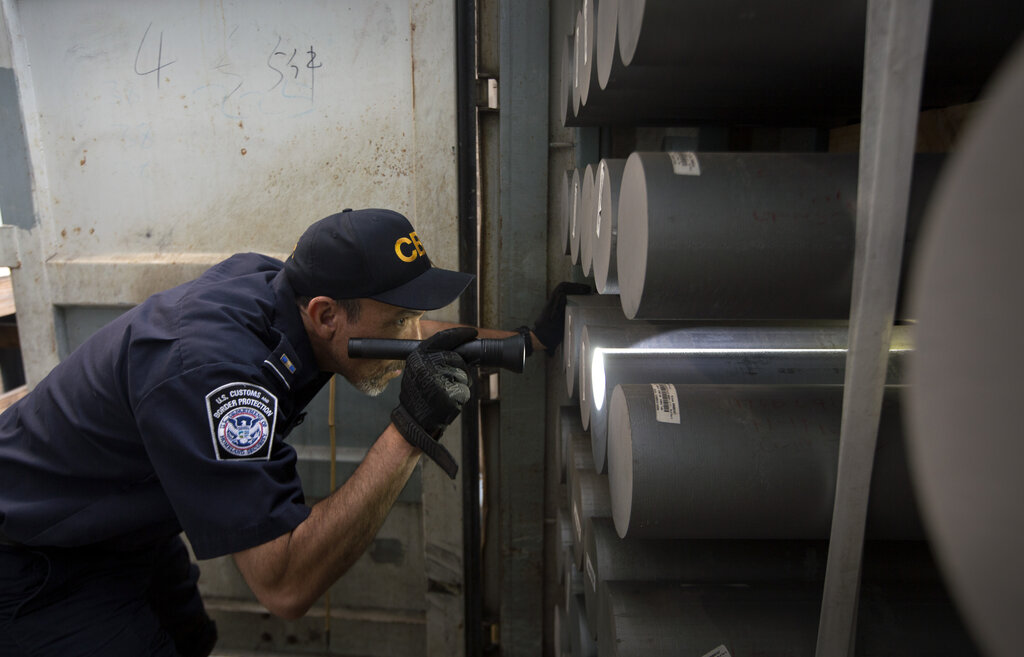
Their job involves several key functions:
- Collecting Duties and Taxes: When goods are imported, they are often subject to tariffs (taxes on imports) and other fees. Customs authorities are responsible for calculating and collecting this money.
- Enforcing Laws: They check shipments to ensure they don't contain illegal items, like counterfeit goods or narcotics. They also enforce health, safety, and environmental regulations, preventing things like invasive pests or unsafe products from entering the country.
- Managing Trade Flow: While they enforce rules, customs authorities also work to make sure legitimate trade can flow as smoothly as possible. This balancing act is crucial for a healthy economy.
A Glimpse at Regulations
Import and export regulations are the specific rules that govern what can be shipped and how. These rules vary widely from one country to another. For example, the regulations for importing cheese into the United States are very different from the rules for importing electronics into Japan.
These laws cover everything from product standards and labeling requirements to outright prohibitions on certain goods. Navigating this complex web of rules is a major part of the customs clearance process.
What is the primary purpose of customs clearance?
Which of the following is NOT a key function of a customs authority like U.S. Customs and Border Protection (CBP)?