Mastering Cursive Reading
Understanding Cursive Handwriting
The Flow of Script
Before keyboards, there was the pen. And for centuries, the fastest and most efficient way to write with a pen was cursive. The word itself comes from the Latin 'currere,' meaning 'to run.' That's the core idea: a running, flowing script where letters are joined together, allowing the writer to lift their pen from the paper as little as possible.
This style didn't just appear out of nowhere. It evolved from practical needs. Early alphabets, like the Roman capitals you see carved in stone, were made of distinct, separate letters. This was fine for inscriptions, but for everyday tasks like writing letters, keeping records, or drafting documents, it was slow. Scribes and merchants needed speed. The use of quill pens and ink also favored smooth, flowing lines over the choppy, straight lines of carved letters. Over time, these practical strokes evolved into the connected, slanted letters we recognize as cursive.
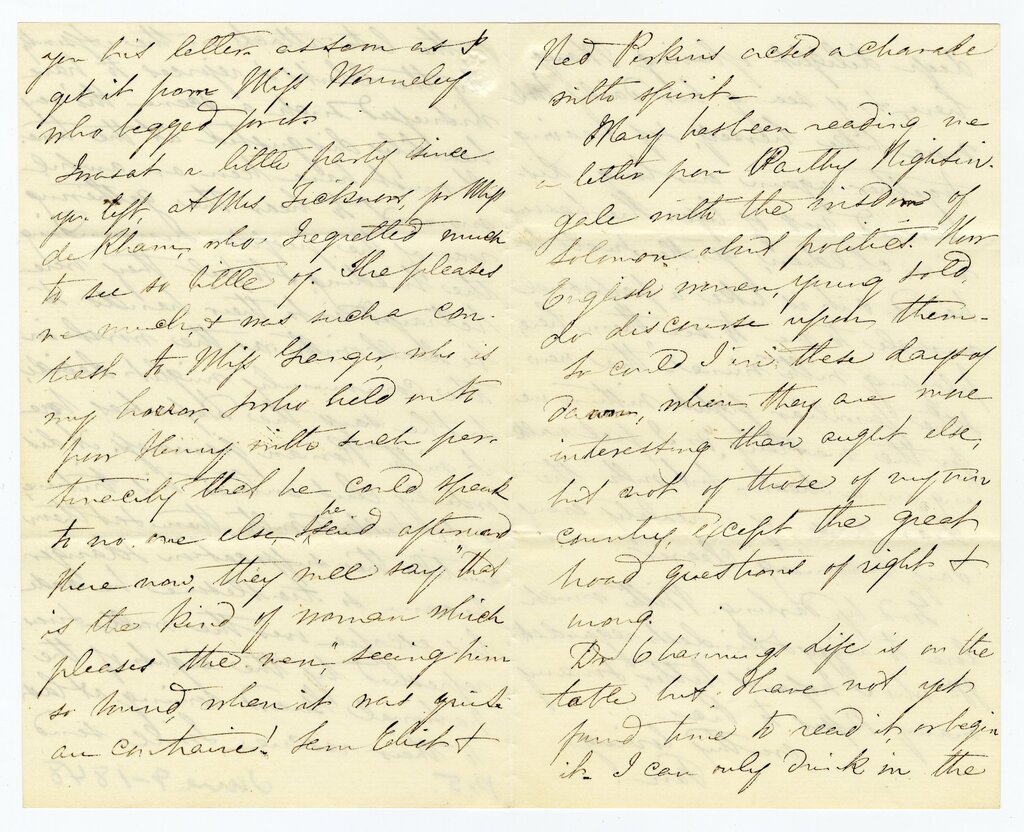
Building Blocks of Cursive
At its heart, cursive is a system of connections. Each lowercase letter is designed with an entry stroke and an exit stroke. The exit stroke of one letter flows directly into the entry stroke of the next, creating a seamless link. These connections are called ligatures. Uppercase letters, often more ornate, typically stand alone and are not connected to the following letter.
This system creates a distinct rhythm and visual harmony. While there are many variations, most cursive alphabets share a common structure based on ovals, loops, and slants. The consistent slant, usually to the right, helps maintain the forward momentum of the writing.
A World of Styles
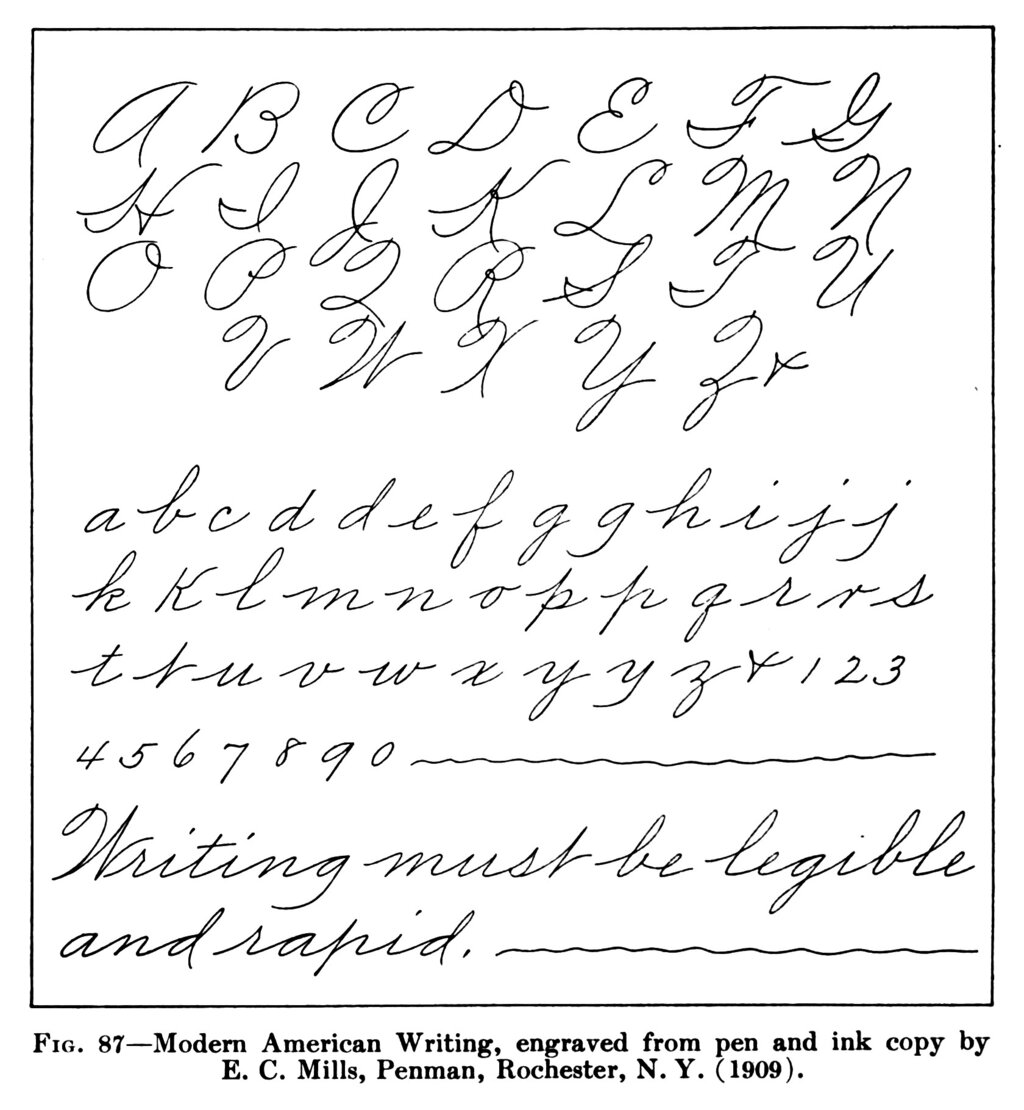
Cursive isn't a single, monolithic script. It’s a family of styles that have changed dramatically across different time periods and regions. The elegant Copperplate script of 18th-century England, with its dramatic contrast between thick and thin strokes, looks very different from the simpler, more practical Spencerian Method taught in American schools in the 19th century.
In Germany, a distinct pointed script called Kurrent (and later Sütterlin) was used for centuries. Its sharp angles and unique letterforms can be challenging for those accustomed to English or Italian cursive styles. These variations arose from different tools, educational philosophies, and cultural aesthetics. Some styles prioritized ornamentation and beauty, while others, like the Palmer Method that dominated 20th-century American education, emphasized speed and legibility for business.
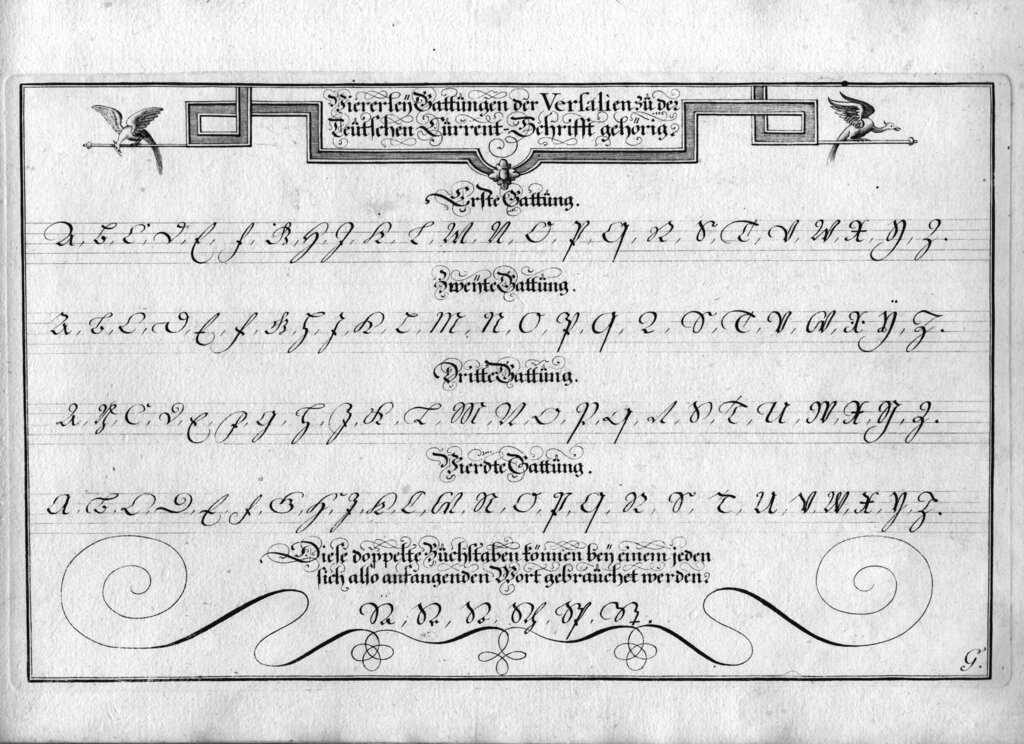
Despite their differences, all cursive styles share the same fundamental goal: to make handwriting a faster and more fluid process. Understanding this history and the basic structure of connected letters is the first step in being able to recognize and read these beautiful, personal forms of writing.
The word 'cursive' comes from a Latin word meaning what?
What was the primary practical reason for the development of cursive writing?