Mastering Crypto Tokenomics
Introduction to Tokenomics
What Is Tokenomics?
Think of any country's economy. It has a currency, rules about how that money is created, and systems that give it value. A cryptocurrency project has something similar, and it's called tokenomics.
Tokenomics
noun
The set of rules governing the economic characteristics of a cryptocurrency. It combines the words 'token' and 'economics'.
Tokenomics is the blueprint for a digital token. It defines everything from the total number of tokens that will ever exist to how they are distributed and what you can do with them. It's a project's monetary policy, all written in code.
Why does this matter? Because strong tokenomics can create a healthy, sustainable ecosystem. It provides incentives for people to buy, hold, and use the token, which helps the network grow. Poor tokenomics, on the other hand, can lead to a project failing, no matter how good its technology is.
Tokenomics play a pivotal role in determining the value and sustainability of a crypto project.
You can think of it like the rules of a complex board game. The rules determine how many pieces each player gets, how they can earn more, and what those pieces can be used for. A well-designed game is balanced and fun to play for a long time. A poorly designed one falls apart quickly. The same is true for a crypto project and its tokenomics.
How It Differs from Traditional Economics
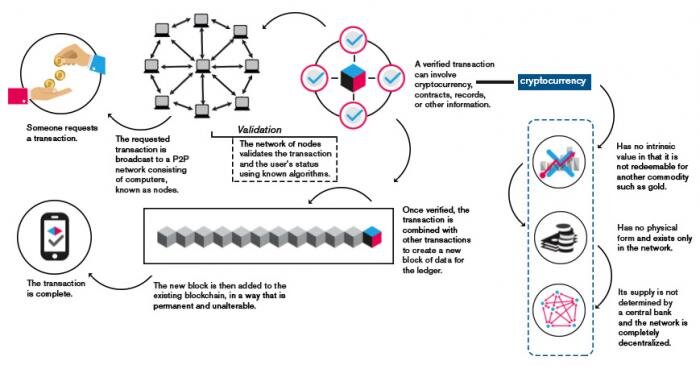
While tokenomics borrows ideas from traditional economics, it operates in a completely different world. The key differences come down to control, supply, and transparency.
Traditional currencies, like the British Pound or the US Dollar, are managed by central banks and governments. They can decide to print more money, which often leads to inflation. In contrast, many cryptocurrencies are decentralised. Their rules are embedded in code on a blockchain, which no single entity can easily change.
This leads to another major difference: supply. The code for many cryptocurrencies sets a fixed maximum supply. For example, there will only ever be 21 million Bitcoin. This creates a deflationary model, where the currency can become scarcer and potentially more valuable over time. This is the opposite of most traditional currencies, which are inflationary by design.
Finally, everything happens in the open. Because most cryptocurrencies are built on public blockchains, anyone can view the transaction history and verify the rules. This level of transparency is rare in the traditional financial world.
| Feature | Tokenomics | Traditional Economics |
|---|---|---|
| Governing Body | Decentralised (code) | Centralised (banks, governments) |
| Supply Control | Often fixed (deflationary) | Flexible (inflationary) |
| Transparency | High (public ledger) | Low (opaque systems) |
| Issuance | Algorithmic & pre-defined | Political & economic policy |
Understanding these basics is the first step in evaluating any cryptocurrency project. The tokenomics tells you the story of how a token is designed to function and create value within its digital economy.
What is the primary function of a project's tokenomics?
According to the text, a key difference between many cryptocurrencies and traditional currencies like the British Pound is that crypto rules are embedded in code, while traditional currency rules are set by...
With these fundamentals in place, you can begin to look at different crypto projects with a more critical eye.