Mastering Crypto Risk Leadership Interviews
Introduction to Cryptocurrency
What is Cryptocurrency?
Cryptocurrency is a type of digital or virtual money. Unlike the dollars or euros in your bank account, it doesn't exist in any physical form. It's secured by cryptography, which makes it nearly impossible to counterfeit or spend the same coin twice.

Think of it as internet-native money. It's designed to work without a central authority like a bank or government. Instead, transactions are recorded on a public digital ledger that's distributed across a vast network of computers. This underlying technology is what truly sets it apart.
A Quick History
The idea of digital cash isn't new. Cryptographers were experimenting with it back in the 1980s and 90s. But these early systems always relied on a trusted third party to prevent fraud. The big breakthrough came in 2008.
A person or group using the name Satoshi Nakamoto published a paper outlining a new system for electronic cash called Bitcoin. In early 2009, the Bitcoin network came online. Nakamoto's invention solved a huge problem: how to prevent someone from spending the same digital money more than once—the "double-spend problem"—without a central server.
Bitcoin's first block, known as the Genesis Block, contained a hidden message referencing a newspaper headline: "The Times 03/Jan/2009 Chancellor on brink of second bailout for banks." This was a nod to the financial crisis and the need for a new kind of financial system.
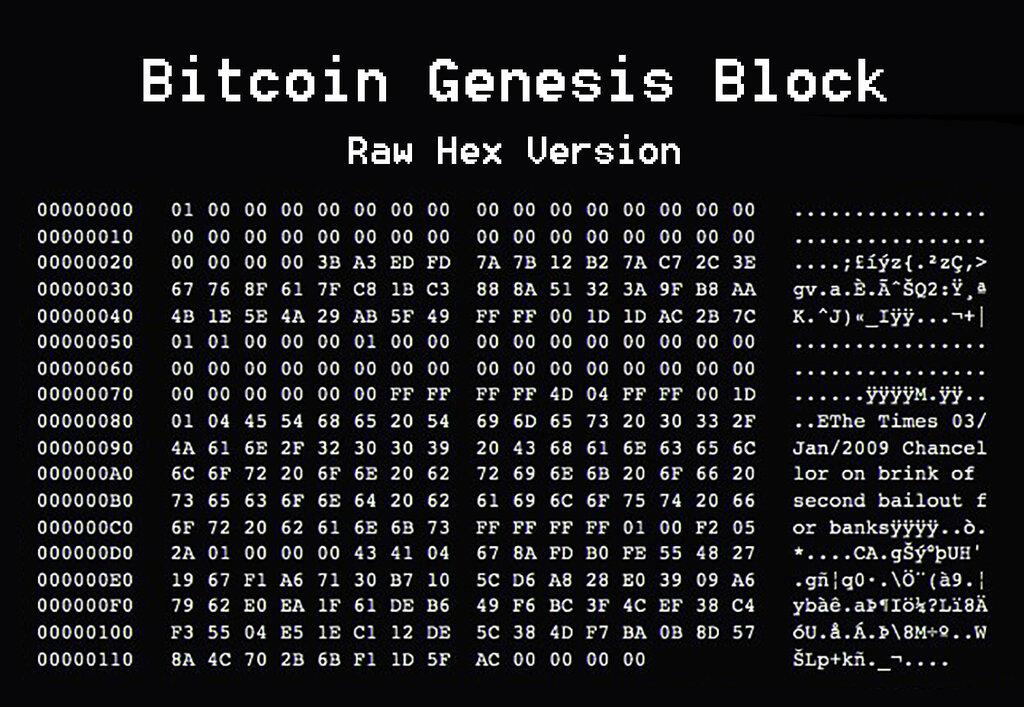
Since Bitcoin's creation, thousands of other cryptocurrencies have been launched, each with different features and goals. But most of them are built on the same core technology that Bitcoin pioneered.
The Magic of Blockchain
Blockchain is the foundational technology on which most cryptocurrencies are built.
The technology that makes cryptocurrency possible is called the blockchain. At its heart, a blockchain is a growing list of records, called blocks, that are securely linked together using cryptography. It's like a digital record book that's shared among many users.
Each block contains a batch of recent transactions, a timestamp, and a reference to the previous block. This reference is a cryptographic hash, which is like a unique digital fingerprint. By including the previous block's hash, it creates a chain. If someone tried to alter an old transaction, it would change that block's hash. This would break the link to all subsequent blocks, making the tampering immediately obvious to everyone on the network.
This structure makes the blockchain incredibly secure and immutable. Once a transaction is recorded, it's permanent.
Decentralization and Security
The other key concept is decentralization. A traditional bank stores all its records on a central computer system. If that system goes down or is hacked, it's a huge problem. The bank is a single point of failure.
Cryptocurrencies don't have a central server. Instead, the blockchain ledger is copied and spread across thousands of computers worldwide. This is called a distributed ledger. When a new transaction happens, it's broadcast to the network. Participants, often called "miners" or "validators," work to confirm the transaction is legitimate and add it to the blockchain. This process ensures that everyone's copy of the ledger stays in sync.
This decentralized nature is what gives cryptocurrencies their power. There's no single entity in control, which means no one can freeze your account, block a payment, or change the rules on a whim. The security comes from cryptography. Your funds are secured by a pair of cryptographic keys: a public key (like a bank account number you can share) and a private key (like a password that you must keep secret). Only the person with the private key can access and spend the funds.
Now that you understand the basics, let's test your knowledge.
What is the primary characteristic that distinguishes cryptocurrency from traditional fiat currency like the US Dollar?
The 2008 paper by Satoshi Nakamoto introduced a system that solved a long-standing problem in digital cash. What is this problem known as?
This foundation in history, blockchain, and decentralization is crucial for understanding everything else about the world of cryptocurrency.