Mastering Cross-Functional Ops Interviews
Understanding Cross-Functional Collaboration
What is Cross-Functional Collaboration?
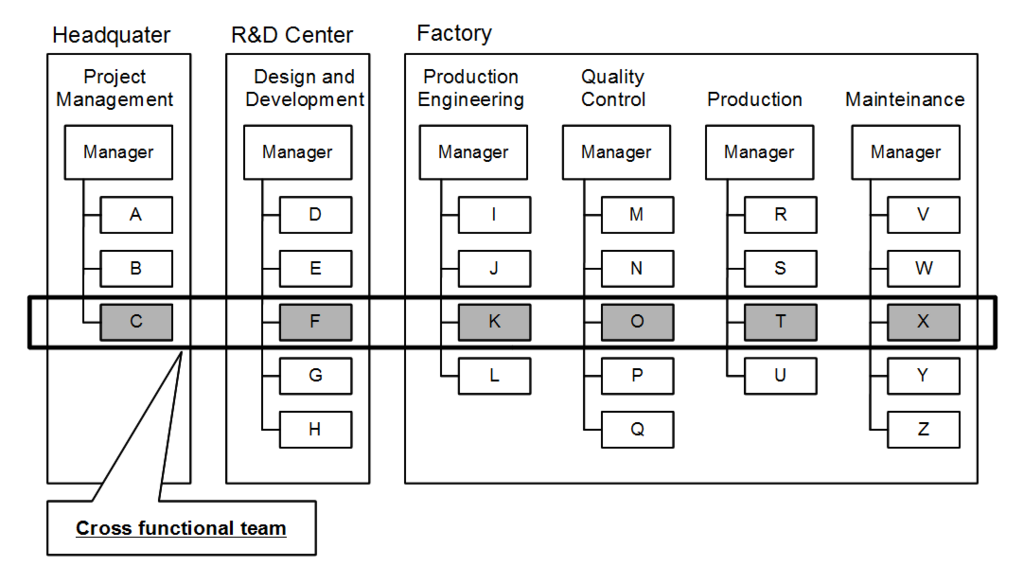
Cross-functional collaboration happens when people from different parts of a company team up to work on a shared goal. Instead of a project living solely within the engineering department or the marketing team, it involves members from both, and maybe from finance, sales, and customer support, too.
By contrast, cross-functional teams bring together individuals from different departments to collaborate on shared objectives.
Think of it like building a house. You wouldn't just hire carpenters. You need architects for the design, plumbers for the pipes, electricians for the wiring, and project managers to keep everything on schedule. Each specialist brings a unique skill set, but they all work from the same blueprint toward the same outcome: a finished house. In a business context, especially in operations-focused roles, this approach is critical for solving complex technical problems that touch multiple areas of the organization.
The Power of Diverse Perspectives
The biggest advantage of this model is the variety of viewpoints it brings to the table. When an operations team faces a technical glitch, an engineer might see the code-level solution, a customer support specialist will understand the user's frustration, and a finance analyst can calculate the cost of the downtime. Combining these perspectives leads to a more robust and comprehensive solution than any single department could create on its own.
This diversity sparks innovation and boosts efficiency. Problems get solved faster because all the key players are already in the loop, reducing the delays caused by sending requests back and forth between departments. It also breaks down organizational silos, giving team members a broader understanding of how the entire business operates, which leads to smarter, more informed decisions.
Teams thrive when they bring together people with different perspectives and areas of expertise.
Common Hurdles
Despite its benefits, cross-functional collaboration isn't always straightforward. Pulling people from different backgrounds together can create friction. Each department has its own language, priorities, and ways of working, which can lead to misunderstandings.
| Challenge | Root Cause |
|---|---|
| Communication Gaps | Teams use different jargon and assume others share their context. |
| Conflicting Goals | The marketing team's need for speed clashes with engineering's priority for stability. |
| Silo Mentality | Team members are accustomed to their department's processes and may resist different approaches. |
| Unclear Authority | It can be ambiguous who has the final say when members report to different managers. |
For example, the sales team might promise a client a new feature by a certain date, not fully understanding the technical work required. This puts pressure on the engineering team and can create tension if expectations aren't managed properly from the start. These challenges are normal, but they must be addressed for the team to succeed.
The Role of Effective Communication
The key to overcoming these hurdles is effective communication. Successful cross-functional teams establish a shared language and common ground from the outset. This means avoiding department-specific jargon and taking the time to ensure everyone understands the project's goals, constraints, and progress.
Clear and timely communication is key to making cross-functional collaboration work.
Mutual understanding is just as important. An engineer doesn't need to know how to create a marketing campaign, but they should understand the marketing team's objectives. Likewise, a marketer should appreciate the technical limitations the engineering team is working with. This shared respect and understanding build trust and create a more cohesive and productive team.
What is the primary characteristic of a cross-functional team?
Which of the following is considered a major benefit of cross-functional collaboration?
By bringing together diverse skills and ensuring clear communication, cross-functional teams can effectively tackle complex challenges.