Mastering Crochet: From Basics to Advanced Projects
Crochet Basics
Your Crochet Toolkit
Before you can make your first stitch, you need the right tools. The two essentials are a crochet hook and yarn. They come in many sizes and materials, and picking the right combination is key.
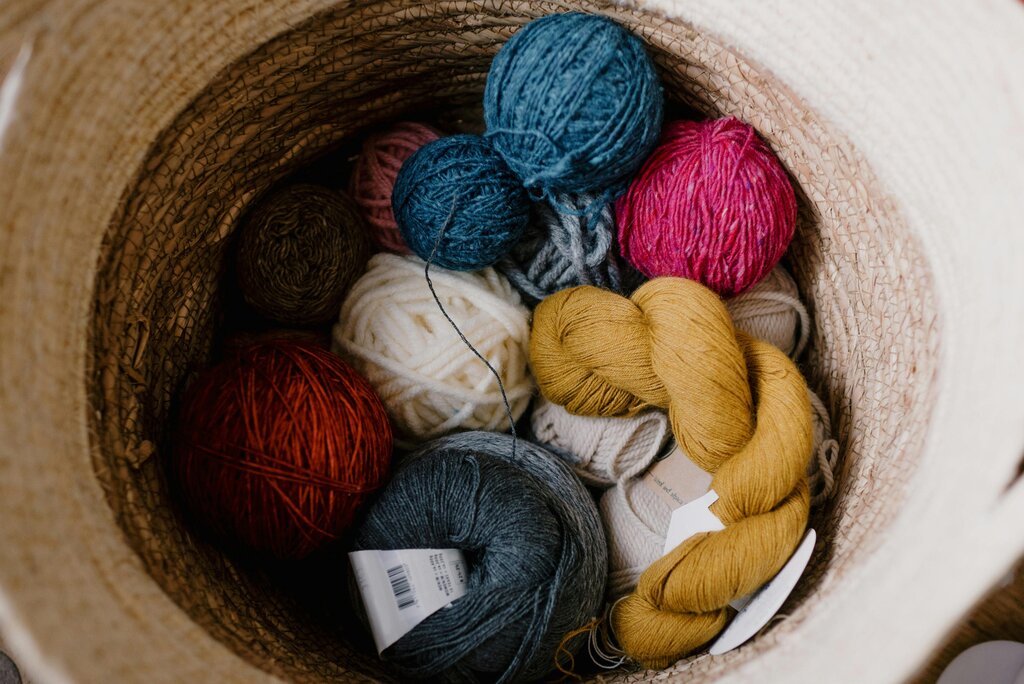
Yarn is categorized by weight, from lace (thinnest) to jumbo (thickest). For beginners, a medium-weight yarn, often called worsted weight, is a great place to start. It's easy to handle and the stitches are simple to see.
Crochet hooks are sized with letters, numbers, or both, which correspond to the diameter in millimeters. The hook size you need depends on your yarn. A yarn label will almost always recommend a hook size. Using the recommended hook is a good starting point for getting the right tension.
A good beginner combination is a worsted weight yarn (Category 4) and a size H-8 (5.0 mm) crochet hook. It's the perfect pair for practicing stitches.
The Basic Stitches
Crochet is built from a few simple stitches. Once you learn how to make them, you can combine them to create all sorts of fabrics and patterns. Everything starts with a slip knot on your hook, which anchors the yarn.
Yarn Over
verb
The fundamental action of wrapping the yarn from back to front over the crochet hook.
Let's walk through the four foundational stitches.
1. Chain Stitch (ch) After your slip knot, this is the first stitch you'll learn. The chain stitch creates the foundation row for most projects. To make one, simply yarn over and pull that yarn through the loop on your hook. That’s it! Repeat this to create a chain of your desired length.
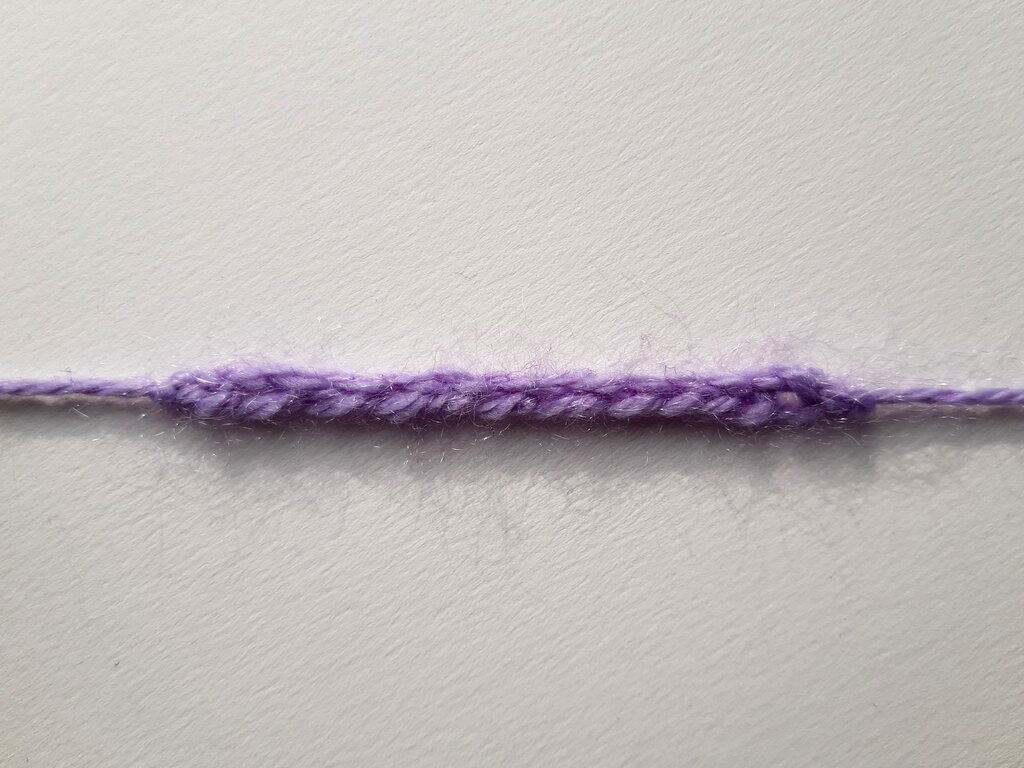
2. Slip Stitch (sl st) The slip stitch is the shortest crochet stitch and has several jobs. It's used to join work when crocheting in the round, finish an edge, or move across stitches without adding height. To make a slip stitch, insert your hook into a stitch, yarn over, and pull the yarn through both the stitch and the loop on your hook in one smooth motion.
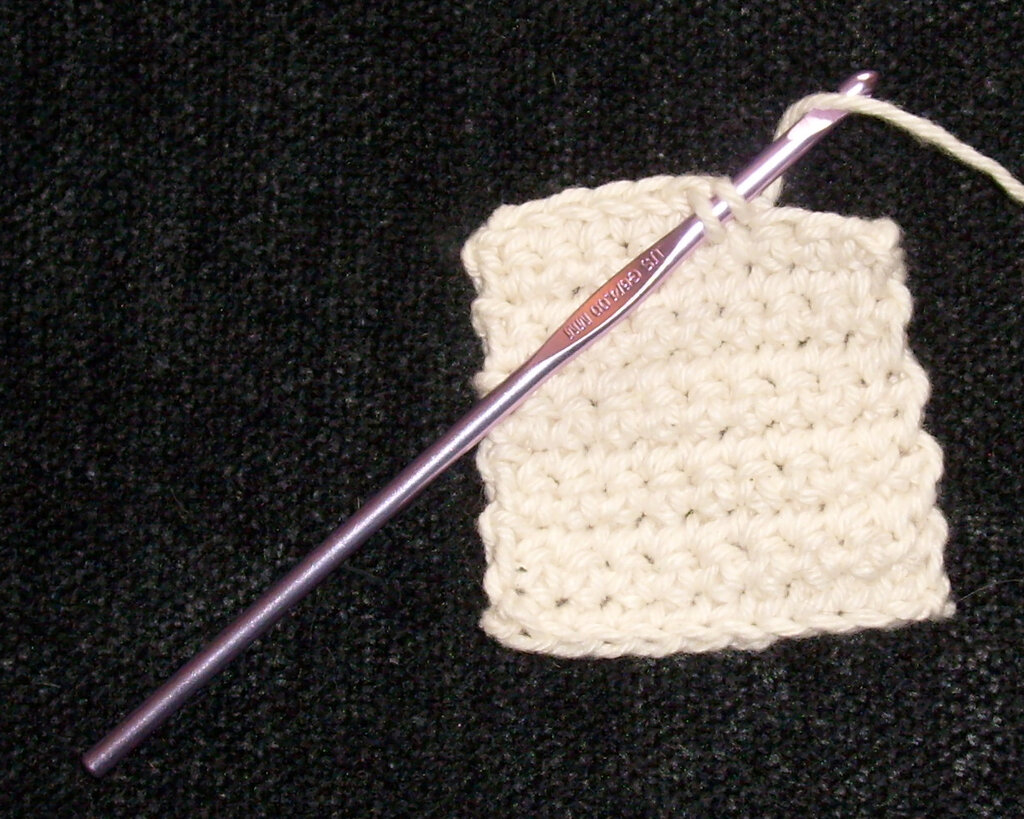
3. Single Crochet (sc) The single crochet is a short, sturdy stitch that creates a dense fabric. Here’s how you do it:
- Insert your hook into the desired stitch.
- Yarn over and pull up a loop. You'll have two loops on your hook.
- Yarn over again and pull the yarn through both loops on the hook. You’ve made a single crochet.
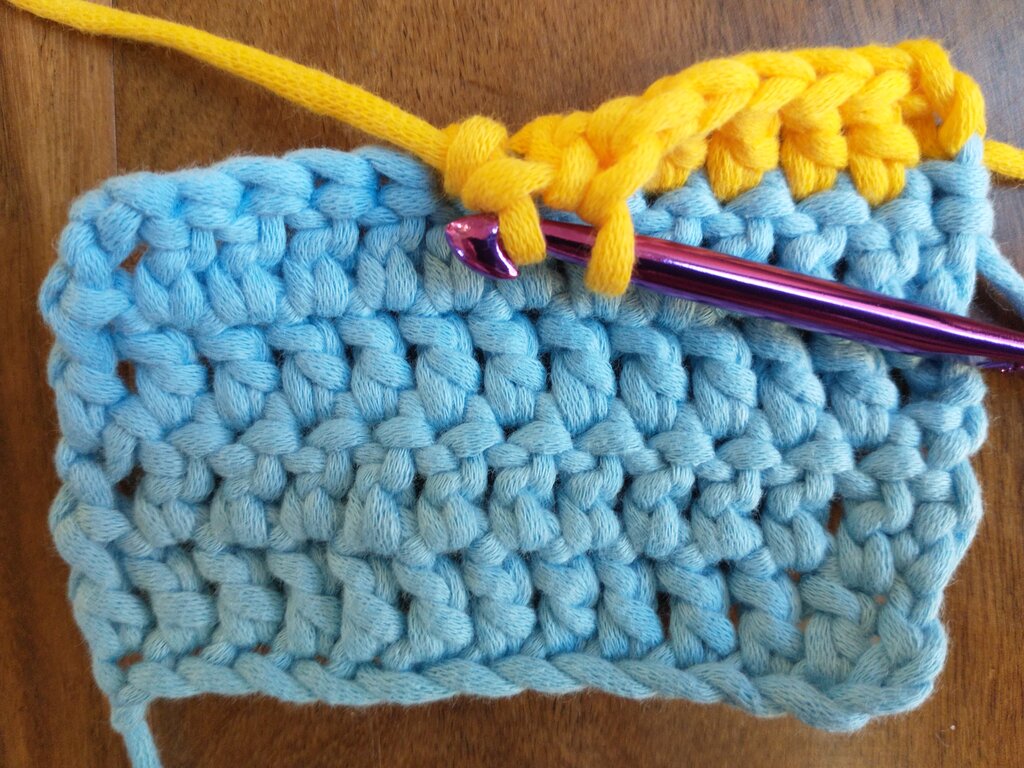
4. Double Crochet (dc) The double crochet is taller than a single crochet, so it builds fabric much faster. It creates a more flexible and drapey material. The steps are slightly different:
- Yarn over before inserting your hook into the stitch.
- Insert your hook into the stitch.
- Yarn over and pull up a loop. You should now have three loops on your hook.
- Yarn over and pull through the first two loops on the hook. Two loops will remain.
- Yarn over one last time and pull through the remaining two loops.
Reading Patterns and Tension
Crochet patterns are written instructions that use abbreviations for stitches and terms. This makes them shorter and more consistent. At first, they might look like code, but you'll quickly get the hang of it.
| Stitch | Abbreviation |
|---|---|
| Chain | ch |
| Slip Stitch | sl st |
| Single Crochet | sc |
| Double Crochet | dc |
| Yarn Over | yo |
Finally, let's talk about tension. Tension refers to how tightly or loosely you hold your yarn while you crochet. Consistent tension is the secret to even, uniform stitches and a professional-looking project. If your stitches are too tight, your hook will be hard to insert. If they're too loose, the fabric will have gaps.
There's no single "right" way to hold your yarn; find a comfortable method that allows the yarn to glide smoothly through your fingers. Practice is the only way to develop consistent tension. Don't worry if your first attempts are a bit wobbly. Every crocheter starts there.
My next crochet tip is to master the foundation chain, single crochet, and double crochet stitch before progressing to more complex stitches.
Ready to check your understanding of these building blocks?
What type of yarn is generally recommended for beginners because it's easy to handle and the stitches are clearly visible?
How do you typically determine the right size crochet hook to use for a new project?