Mastering CRM for SDR Success
CRM Basics
What Is CRM?
Think of the most organized person you know. They remember birthdays, follow up on conversations, and never forget a name. A Customer Relationship Management (CRM) system is that person, but for your entire sales team. It's a technology that helps businesses manage all their interactions with current and potential customers.
A CRM should act as the central hub for all customer information, including contact details, communication history, preferences, past purchases, and service requests.
At its core, a CRM is a centralized database where you can store and access every piece of information about your leads and customers. Instead of scattered notes, spreadsheets, and calendar reminders, all the data lives in one place. This shared view ensures that anyone on your team can pick up a conversation and have the full context of the relationship.
Core Features
While CRM platforms can have dozens of features, they all revolve around a few key functions that are essential for any sales development representative (SDR).
Contact Management
noun
The process of storing and organizing information about your customers, leads, and prospects.
This is the backbone of any CRM. It's more than just a digital address book. It stores not only names, emails, and phone numbers but also crucial details like company size, job titles, and links to social media profiles. You can see every lead's entire history with your company at a glance.
Next is Interaction Tracking. Every call you make, email you send, and meeting you schedule is logged automatically. Did a prospect open your email or click a link? The CRM knows. This creates a complete timeline of every touchpoint, so you never have to ask, "Where did we leave off?"
The goal is to have a 360-degree view of every customer, making your outreach personal and relevant.
Finally, there's Sales Automation. As an SDR, many of your tasks are repetitive. CRMs can automate things like sending follow-up emails, scheduling tasks for yourself, and notifying you when a lead takes a specific action, like visiting the pricing page on your website. This frees you up from administrative work and lets you focus on what you do best: connecting with people.
Why It Matters for Sales
Using a CRM isn't just about being organized. It directly impacts your ability to qualify leads and hit your quotas. By centralizing data, you eliminate guesswork. You can prioritize leads based on their engagement and fit, ensuring you spend your time on the opportunities most likely to convert.
Efficiency is another major benefit. Automation handles the busywork, giving you more time for high-value activities like research and outreach. When you can track every interaction, you can nurture relationships more effectively. No lead falls through the cracks because you forgot to follow up.
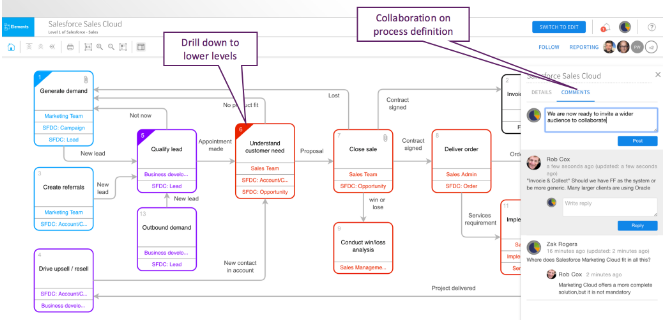
Collaboration also improves dramatically. When you qualify a lead, you can pass it to an Account Executive with a complete history of every conversation. This creates a seamless experience for the customer and sets your teammate up for success. Everyone is working from the same playbook.
Time to check your understanding of CRM fundamentals.
What is the primary purpose of a Customer Relationship Management (CRM) system?
Which CRM feature is responsible for logging activities like opened emails, phone calls, and scheduled meetings?
A well-used CRM is one of the most powerful tools in a sales development representative's arsenal.