Mastering Critical Thinking
Introduction to Critical Thinking
What Is Critical Thinking?
Most of us think all day long. But critical thinking is different. It’s not just about having thoughts; it’s about taking control of them. It's the process of actively and skillfully analyzing, questioning, and evaluating information to form a judgment.
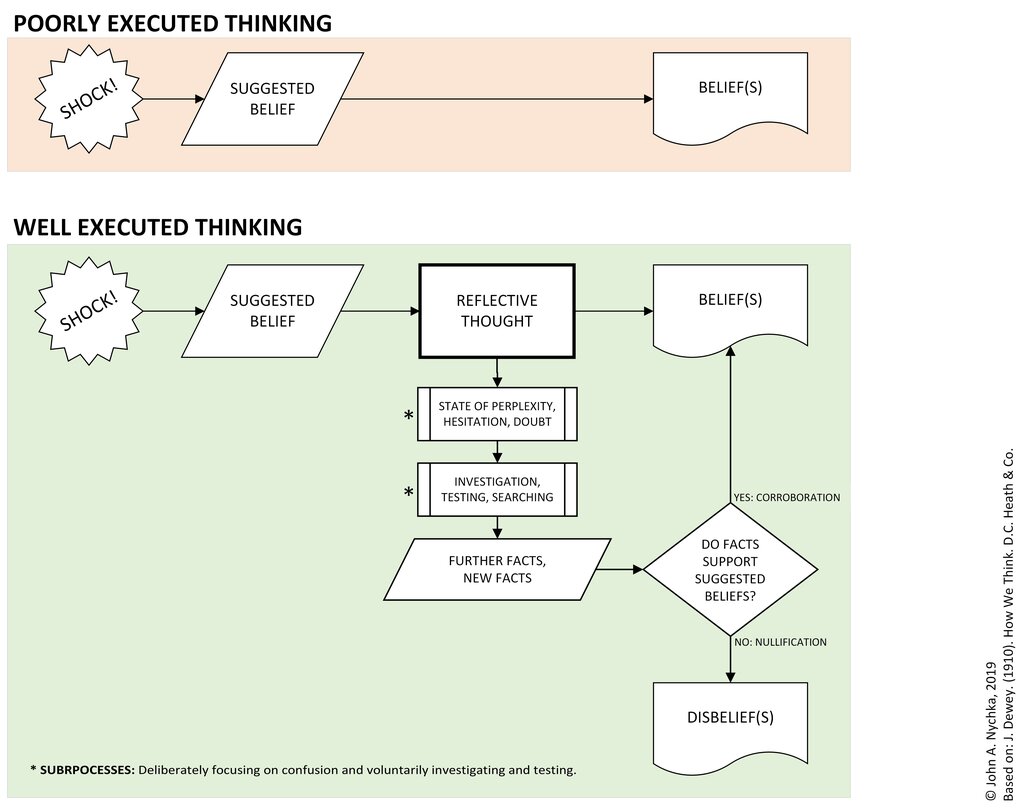
Imagine you read a headline online that says, “Eating Chocolate Every Day Makes You Smarter.” The passive thinker might accept this, share it, and buy more chocolate. The critical thinker, however, pauses. Who published this study? Who funded it? Was the study group large and diverse? Are there other possible explanations for the results?
Critical thinking means stepping back from an immediate reaction and looking at the bigger picture. It's about being an active, not passive, recipient of information.
Critical thinking is the ability to think clearly and rationally about what to do or what to believe.
This skill isn't about being negative or critical of others. It’s about being curious, thoughtful, and methodical. It empowers you to move beyond surface-level understanding and develop well-reasoned beliefs.
The Core Components
To think critically, we rely on a few key mental tools. The three most fundamental are analysis, evaluation, and inference. They often work together, like gears in a machine, to help us process the world logically.
Analysis
noun
The process of breaking down a complex topic or substance into smaller parts to gain a better understanding of it.
First, you analyze. This means examining information to identify its main ideas, assumptions, and supporting evidence. It's like taking apart a puzzle to see how the individual pieces connect. When you read an article, analysis involves asking: What is the main point here? What reasons are given to support it?
Evaluation
noun
The making of a judgment about the amount, number, or value of something; assessment.
Next comes evaluation. After breaking the information down, you judge its quality. Is the source credible? Is the evidence strong and relevant? Are the arguments logical, or do they contain flaws? Evaluating is like being a detective, weighing the evidence to determine if it’s reliable.
Inference
noun
A conclusion reached on the basis of evidence and reasoning.
Finally, you make an inference. An inference is an educated guess or a conclusion you draw based on the evidence you've analyzed and evaluated. If you see storm clouds gathering and the wind picks up, you infer that it's probably going to rain. A strong inference is always backed by solid reasoning.
Why It Matters
Developing critical thinking skills isn't just an academic exercise. It has tangible benefits that can improve your everyday life and career.
In your personal life, critical thinking helps you make better decisions. It equips you to navigate the flood of information we face daily, from spotting misinformation on social media to making informed choices about finances or health. Instead of being swayed by emotional appeals or faulty logic, you can assess situations clearly and choose a course of action based on reason.
Professionally, critical thinking is one of the most sought-after skills by employers. It's the foundation of problem-solving and innovation. An employee who can analyze a problem, evaluate potential solutions, and propose a well-reasoned plan is invaluable. Whether you're a nurse diagnosing a patient, a programmer debugging code, or a manager developing a strategy, the ability to think critically is key to success.
Ultimately, critical thinking fosters intellectual autonomy. It gives you the tools to form your own opinions and beliefs, rather than simply adopting those of others. It allows you to engage with the world more deeply and confidently.
Ready to check your understanding? Let's try a few questions.
Which statement best describes the difference between a critical thinker and a passive thinker?
You are reading a news report about a new scientific study. You start by identifying the author's main argument and the key pieces of evidence they use to support it. Which critical thinking skill are you using?
By understanding these core concepts, you've taken the first step toward becoming a more effective and independent thinker.