Mastering Critical Thinking
Introduction to Critical Thinking
Thinking About Thinking
We are constantly bombarded with information. News headlines, social media posts, advertisements, and conversations all compete for our attention, each presenting its own version of the truth. How do we navigate this flood of claims and make sense of the world? The answer lies in critical thinking.
Critical thinking is the ability to think clearly and rationally about what to do or what to believe.
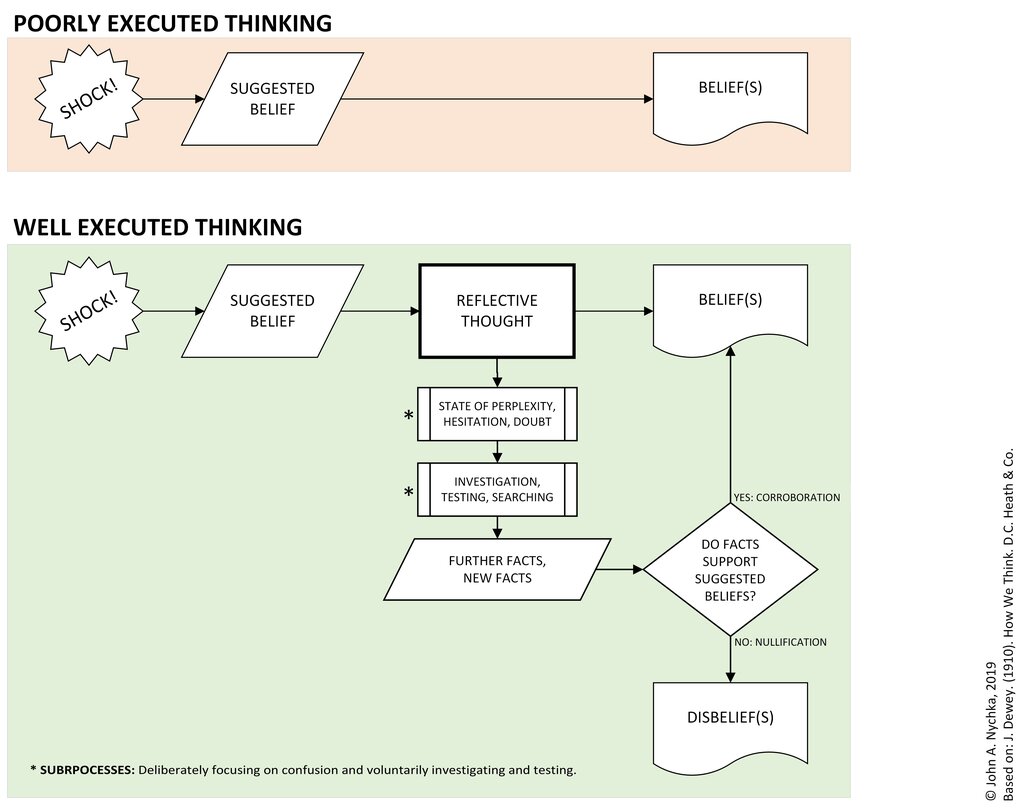
It's not about being negative or overly critical of others. Instead, it's the process of actively and skillfully analyzing, evaluating, and synthesizing information to form a judgment. Think of it as being an impartial detective for the facts. A detective doesn't just accept the first story they hear. They gather evidence, question witnesses, look for inconsistencies, and piece together the clues before reaching a conclusion. Critical thinking is applying that same careful process to the information you encounter every day.
The Core Components
Critical thinking isn't a single skill but a collection of interconnected abilities. We can break it down into three main parts: analysis, evaluation, and inference.
| Component | What It Is | Key Question |
|---|---|---|
| Analysis | Breaking down information into its parts. | What is the structure here? |
| Evaluation | Judging the credibility and strength of info. | Is this information reliable? |
| Inference | Drawing reasonable conclusions from evidence. | What does this evidence imply? |
Let's explore each one. Analysis is the starting point. It's about understanding an argument's structure. This means identifying the main claim and the reasons given to support it. It's like taking apart a machine to see how all the gears and levers fit together.
Next comes Evaluation. Once you've taken the argument apart, you judge the quality of its pieces. Is the evidence provided actually true? Is the source credible? Are the reasons logically connected to the main claim, or are there gaps in the reasoning? This is where you assess the strength and reliability of the information.
Finally, there's Inference. Based on your analysis and evaluation, you draw a conclusion. An inference is an educated guess or a logical leap based on the evidence you've examined. A strong inference is well-supported by the facts, while a weak one is more of a wild guess.
Why It Matters
Developing critical thinking skills offers enormous benefits in all areas of life. It’s not just for academics and scientists. At work, it helps you solve complex problems, devise better strategies, and communicate your ideas more effectively. Instead of just following instructions, you can understand the 'why' behind them and find ways to improve processes.
In your personal life, critical thinking empowers you to be a more informed citizen and consumer. You can better evaluate political candidates' promises, see through misleading advertising, and make smarter financial decisions. It helps you distinguish between credible health advice and dangerous misinformation.
Ultimately, critical thinking fosters independence. It gives you the tools to form your own opinions based on evidence, rather than simply accepting what you're told. It allows you to engage with the world more thoughtfully and confidently.
By thinking critically, you move from being a passive recipient of information to an active participant in your own understanding.
Ready to test your understanding of these core concepts?