Mastering Critical Thinking
Introduction to Critical Thinking
What Is Critical Thinking?
Critical thinking isn't about finding fault or being negative. It’s the skill of thinking clearly and rationally about what to do or what to believe. In a world overflowing with information, it’s your filter for separating fact from fiction, sense from nonsense.
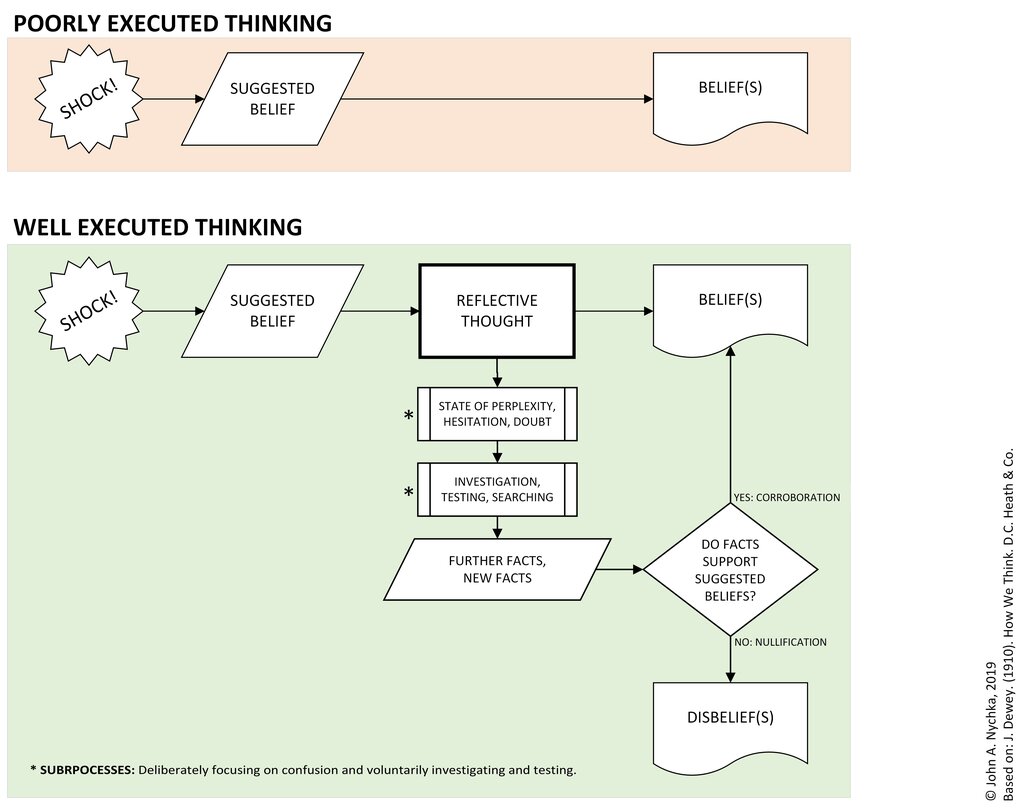
Think of it as active, not passive, thinking. Instead of simply accepting ideas and assumptions, a critical thinker questions them. They look for evidence, analyze arguments, and uncover biases. This process helps you form your own well-reasoned conclusions rather than just borrowing the opinions of others.
It’s the skill of stepping back to examine not just what you think, but how you think.
The Core Components
Critical thinking can be broken down into three fundamental skills: analysis, evaluation, and inference. These components work together, allowing you to systematically deconstruct and assess information.
analysis
noun
The process of breaking down complex information or a larger topic into smaller, more manageable parts to understand its structure and how the parts relate to each other.
Analysis is where you take things apart. When you read an article, you might analyze it by identifying the author's main claim, the evidence they use to support it, and the underlying assumptions they're making.
evaluation
noun
The systematic assessment of an argument or statement's strengths and weaknesses. It involves judging the credibility, relevance, and logical force of the information.
Once you've broken something down, evaluation is about judging its quality. Is the source of this information reliable? Is the evidence provided actually relevant to the main point? Does the conclusion logically follow from the evidence? This is the step where you weigh the information you've analyzed.
inference
noun
A conclusion reached on the basis of evidence and reasoning. It's an educated guess or a logical step made from what is known or assumed to be true.
Inference is about drawing conclusions. After analyzing and evaluating the information, you decide what it all means. It's the logical leap that leads to a judgment or decision. For example, if a study is well-designed (analysis) and comes from a credible source (evaluation), you can infer that its conclusions are likely trustworthy.
Putting It to Use
So, why is this so important? Developing critical thinking skills transforms how you navigate the world, both personally and professionally.
In your daily life, critical thinking helps you make better decisions. It equips you to evaluate news stories, assess advertisements, and make informed choices about your health and finances. It helps you understand other people's perspectives, making you a better communicator and friend.
In the workplace, critical thinking is one of the most sought-after skills. It's the foundation of problem-solving and innovation. Professionals who can analyze complex situations, evaluate different strategies, and propose well-reasoned solutions are invaluable to any team. They don't just follow instructions; they question, refine, and improve processes, driving progress and success.
Let's test your understanding of these core concepts.
What is the core purpose of critical thinking, as described in the text?
A journalist is reviewing a new scientific study. They first identify the study's main hypothesis, the methods used, and the evidence presented. Which fundamental skill of critical thinking are they primarily using at this stage?
Mastering these skills takes practice, but it starts with a simple habit: asking questions. Instead of accepting information at face value, get curious. By doing so, you begin the journey of becoming a more thoughtful and effective thinker.