Mastering Critical Analysis
Introduction to Critical Thinking
What is Critical Thinking?
Critical thinking is the active, skillful process of analyzing, synthesizing, and evaluating information to reach a conclusion. It’s not about being negative or finding fault. Instead, it’s about thinking with clarity and purpose.
Think of it as being a detective for the ideas and information you encounter every day. A detective doesn't just accept the first story they hear. They ask questions, examine evidence, consider different possibilities, and only then draw a conclusion. Critical thinking applies that same deliberate process to the world around you.
Critical Thinking
noun
The objective analysis and evaluation of an issue in order to form a judgment.
This skill is crucial for good decision-making. Every day, you make hundreds of choices, from what to eat for lunch to which candidate to vote for. Simple decisions might not need much thought, but for the complex ones, critical thinking is your best tool. It helps you look past the surface of a problem, recognize hidden biases (including your own), and make choices based on reason and evidence rather than habit or impulse.
Better thinking leads to better decisions, which leads to a better outcome. It's that simple.
Three Modes of Thought
To understand what makes critical thinking special, it helps to compare it with two other modes of thought we use all the time: mechanical and emotional.
Mechanical thinking is our brain on autopilot. It’s the kind of thinking we do for routine tasks we've done a thousand times, like brushing our teeth or driving a familiar route to work. It’s efficient and requires almost no conscious effort. We rely on habits and established patterns.
Emotional thinking is driven by our feelings, intuition, and gut reactions. It's what happens when you buy something on impulse because it “felt right” or get a bad vibe from a situation without knowing exactly why. Emotions are a powerful and necessary part of being human, but they aren't always based on logic.
Critical thinking is the opposite of autopilot. It is deliberate, conscious, and analytical. You actively engage your brain to work through a problem, weigh evidence, and consider consequences. It's the mode you switch into when you're trying to solve a tricky puzzle, figure out a budget, or understand a complex topic.
When Other Thinking Gets in the Way
Mechanical and emotional thinking aren't bad. In fact, we couldn't function without them. Imagine having to critically analyze every single step of tying your shoes. But over-relying on them can cause problems.
When we use mechanical thinking for a complex new problem, we might apply an old, familiar solution that doesn’t fit. We follow the usual script, even when the scene has changed. This can make us miss important details or better alternatives.
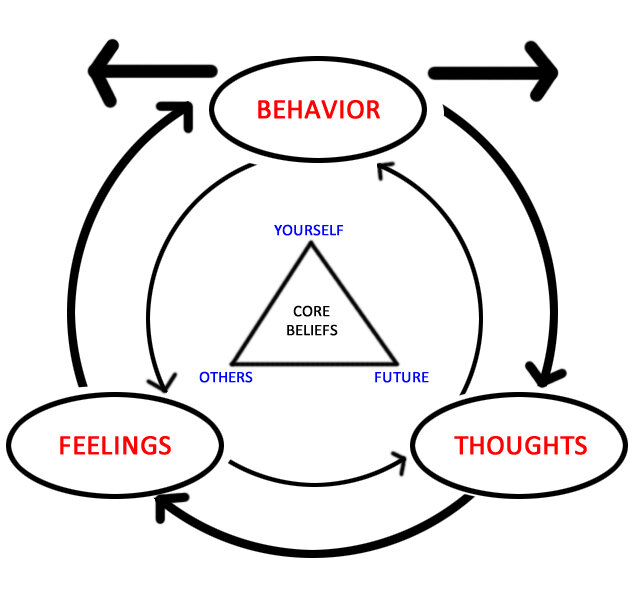
Emotional thinking can be even trickier. Strong feelings like anger, excitement, or fear can cloud our judgment. When emotions are high, they can override our logical brain, leading us to make rash decisions we later regret. Have you ever sent an angry email and wished you could take it back? That’s emotional thinking taking the wheel.
The goal isn't to eliminate emotion from our decision-making, but to be aware of its influence. Managing our emotional responses is a key step toward clearer thinking. When you face an important decision, especially one that makes you feel strong emotions, give yourself space.
One simple strategy is to pause. Instead of reacting immediately, take a deep breath. A moment of calm can be enough to let your rational mind catch up with your emotions. Another technique is to try to name the emotion you're feeling. Simply acknowledging, “I am feeling anxious about this,” can reduce its power over your choices and allow you to assess the situation more objectively.
Which of the following best describes the primary goal of critical thinking?
You are driving a route you've taken hundreds of times before and barely have to think about the turns. What type of thinking are you primarily using?
By understanding these different modes of thought, you can start to recognize them in yourself and make more conscious choices about how you approach problems and decisions.