Mastering Crisis Communication
Understanding Crisis Communication
What Is Crisis Communication?
A crisis is any unexpected event that threatens an organization's reputation, operations, or bottom line. It could be a product recall, a data breach, negative press, or a workplace accident. Crisis communication is the strategic plan for how an organization will communicate during these difficult situations.
The primary goal isn't just to talk, but to manage the narrative. It’s about providing clear, accurate information to everyone involved—employees, customers, investors, and the general public. The objectives are to protect the organization's reputation, maintain trust, and guide the public's perception of the event.
Effective communication during a crisis is critical.
Protecting Your Reputation
In today's world of instant news and social media, a crisis can escalate in minutes. Without a clear communication strategy, an organization can appear disorganized, incompetent, or worse, uncaring. An information vacuum will quickly be filled with rumors, speculation, and misinformation.
Good crisis communication is a core part of public relations because it demonstrates control and responsibility. By addressing issues head-on, an organization shows that it is aware of the problem and actively working to resolve it. This proactive approach helps build and preserve the public's trust, even when things go wrong.
In a crisis, how you communicate about the problem is often just as important as how you fix it.
Guiding Principles
Effective crisis communication isn't about spinning a story. It's about managing a situation with integrity. A few key principles guide every successful strategy.
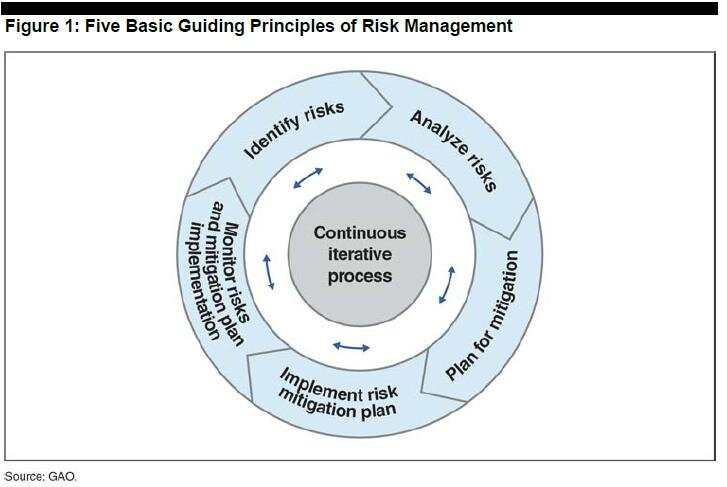
Timeliness: You must be fast. The first messages about a crisis often set the tone for the entire conversation. Responding quickly shows you're taking the situation seriously and prevents others from controlling the narrative.
Transparency: Be as open and honest as possible. Hiding facts or misleading the public will eventually come to light and cause far more damage than the initial crisis. If you don't know something, it's okay to say so—just promise to provide updates as more information becomes available.
Consistency: Your message should be the same across all channels and spokespeople. Mixed messages create confusion and undermine credibility. Designate a specific spokesperson or team to handle all communications to ensure consistency.
Empathy: Acknowledge the impact of the crisis on people. Whether it's customers, employees, or the community, expressing genuine concern is crucial. People are more likely to forgive an organization that shows it cares.
Now let's check your understanding of these core concepts.
What is the primary goal of crisis communication?
A tech company discovers a major data breach. According to the principle of timeliness, what should be their first communication step?
By following these principles, an organization can navigate a crisis without losing the trust it has worked so hard to build.