Mastering Crisis Communication
Understanding Crisis Communication
What is Crisis Communication?
Crisis communication is the strategy an organization uses to deal with a sudden, disruptive event that threatens its reputation, operations, or stakeholders. It’s more than just a press release or an apology. It's a focused effort to control the narrative, protect the organization's image, and, most importantly, provide clear, accurate information to people who need it.
The primary goal is to manage public perception and maintain trust. When a crisis hits, stakeholders—customers, employees, investors, and the public—are suddenly filled with uncertainty. Effective communication aims to reduce that uncertainty by addressing their concerns directly and honestly. The key objectives are to inform people about what happened, what is being done to fix it, and how they will be kept safe or be supported.
Think of it as the emergency response plan for an organization's reputation. It's about providing stability and guidance when things feel chaotic.
Without a solid communication strategy, misinformation can spread quickly, causing further damage. A well-handled crisis can even strengthen an organization's reputation in the long run by demonstrating responsibility and care. Crises themselves are rarely uniform; they can emerge from many different sources.
Types of Crises
Organizational crises can be sorted into a few broad categories. Understanding where a crisis comes from helps shape the right communication response.
| Crisis Type | Description | Examples |
|---|---|---|
| Natural Disasters | Events caused by nature that disrupt operations. These are typically seen as unavoidable. | Hurricanes, earthquakes, floods, wildfires. |
| Technological Failures | Breakdowns in an organization's technology or infrastructure. | Data breaches, server outages, software bugs, industrial accidents. |
| Human-Induced (Confrontation) | When individuals or groups challenge an organization's practices or policies. | Boycotts, protests, negative media campaigns. |
| Human-Induced (Malevolence) | Intentional acts designed to harm the organization or its stakeholders. | Sabotage, terrorism, corporate espionage, workplace violence. |
| Human-Induced (Misconduct) | Actions by management or employees that are unethical, illegal, or irresponsible. | Financial fraud, executive scandals, discrimination. |
The source of the crisis matters. A natural disaster often generates public sympathy, whereas a crisis caused by misconduct can trigger outrage and a complete loss of trust. The communication strategy must adapt accordingly.
Guiding Principles
Regardless of the type of crisis, a few core principles guide an effective response. Sticking to them helps maintain control and protect the relationship with stakeholders.
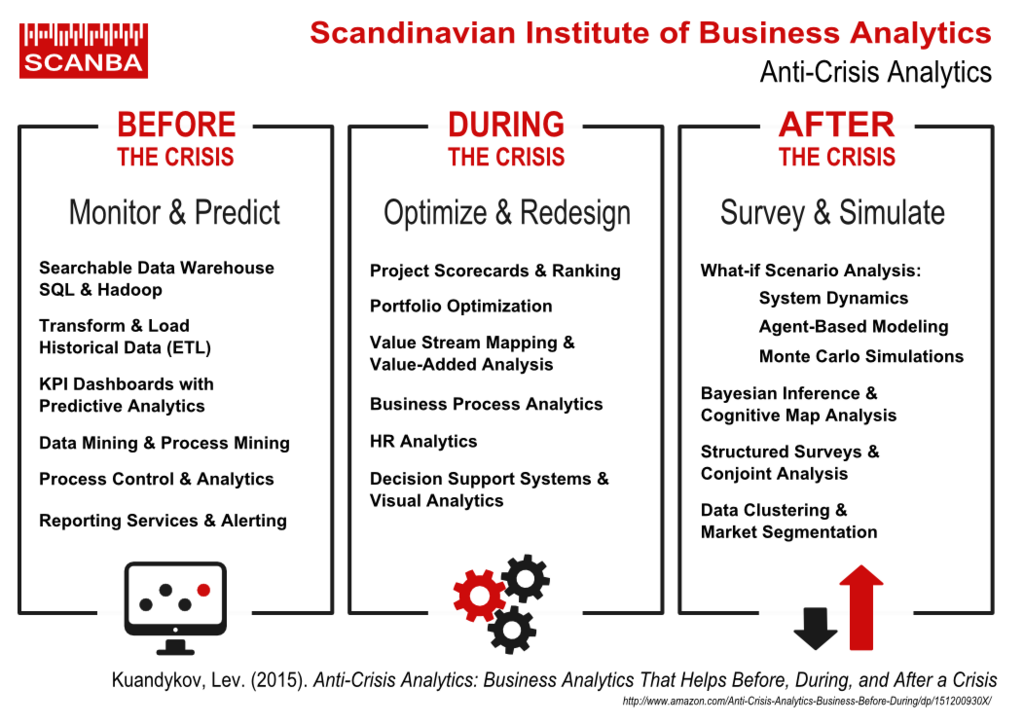
First is timeliness. Information vacuums are dangerous. If you don't communicate quickly, someone else will, and their story might not be accurate. The first message should be delivered as soon as possible, even if it’s just to acknowledge the situation and state that more information is coming.
Next comes transparency. Be as open and honest as possible. Share what you know, what you don't know, and what steps you're taking to find answers. Hiding information or providing misleading statements almost always backfires and causes much deeper damage to trust than the initial crisis itself.
Empathy is also critical. A crisis affects real people. Communication should acknowledge their fear, frustration, or loss. A message that is technically correct but emotionally cold will fail. Showing genuine concern for customers, employees, and the community is essential for preserving goodwill.
Finally, maintain consistency. Your message should be the same across all platforms and from all spokespeople. Mixed messages create confusion and undermine credibility at a time when it's needed most.
Protecting Your Reputation
At its core, crisis communication is a vital function of reputation management. An organization’s reputation is one of its most valuable assets—it’s the foundation of trust with customers, employees, and investors. A crisis puts that asset at immediate risk.
How an organization communicates during and after a crisis directly influences how it is perceived. A response that is quick, truthful, and empathetic can demonstrate leadership and accountability. It shows that the organization values its stakeholders and is committed to doing the right thing. This can mitigate damage and even build a stronger, more resilient reputation over time.
Conversely, poor communication—being slow, secretive, or defensive—can turn a manageable problem into a disaster. It can destroy decades of trust in a matter of hours, leading to customer boycotts, employee turnover, and lasting financial harm. In today's interconnected world, where news spreads instantly, the role of clear, strategic communication has never been more important.
What is the primary goal of crisis communication?
A manufacturing company discovers a product defect but doesn't yet know the full extent of the problem. According to the principle of timeliness, what is the best immediate communication step?