Mastering Cricket Strategy and Technique
Advanced Batting Mechanics
Stance and Weight
A batsman's stance is more than just a comfortable waiting position; it's the foundation for every shot. The way a player distributes their weight and aligns their body dictates their range of motion, power generation, and defensive stability. While personal comfort is a factor, stances are often tactical choices tailored to specific bowlers or match situations.
The two most common approaches are the traditional, balanced stance and the more aggressive, open-chested stance. A traditional stance keeps the shoulders aligned with the wicket, promoting balance and making it easier to play straight down the ground. It's a solid, orthodox base for building an innings. In contrast, an open-chested stance involves rotating the front shoulder towards the bowler, pre-setting the body for powerful cross-batted shots. This can be a huge advantage in shorter formats of the game where quick scoring is essential. However, this early rotation can make a batsman vulnerable to balls that swing or nip back in, as it can be harder to adjust and defend the stumps. The key is understanding the trade-offs and how your weight transfer affects your ability to react.
| Stance Type | Primary Goal | Best For | Key Trade-off |
|---|---|---|---|
| Traditional | Balance & Defense | Playing straight drives, defending | Can limit power on cross-batted shots |
| Open-Chested | Power Hitting | Pulls, hooks, and hitting across the line | Vulnerable to inswing and LBW |
Reading the Length
Once the bowler releases the ball, the batsman has a fraction of a second to judge its length and decide whether to play off the front or back foot. This decision is crucial. A fuller delivery, one that pitches closer to the batsman, requires a decisive step forward to meet the ball on the half-volley, executing a drive. A shorter ball, pitching further down the wicket, demands a quick shift of weight onto the back foot to play a pull, hook, or cut.
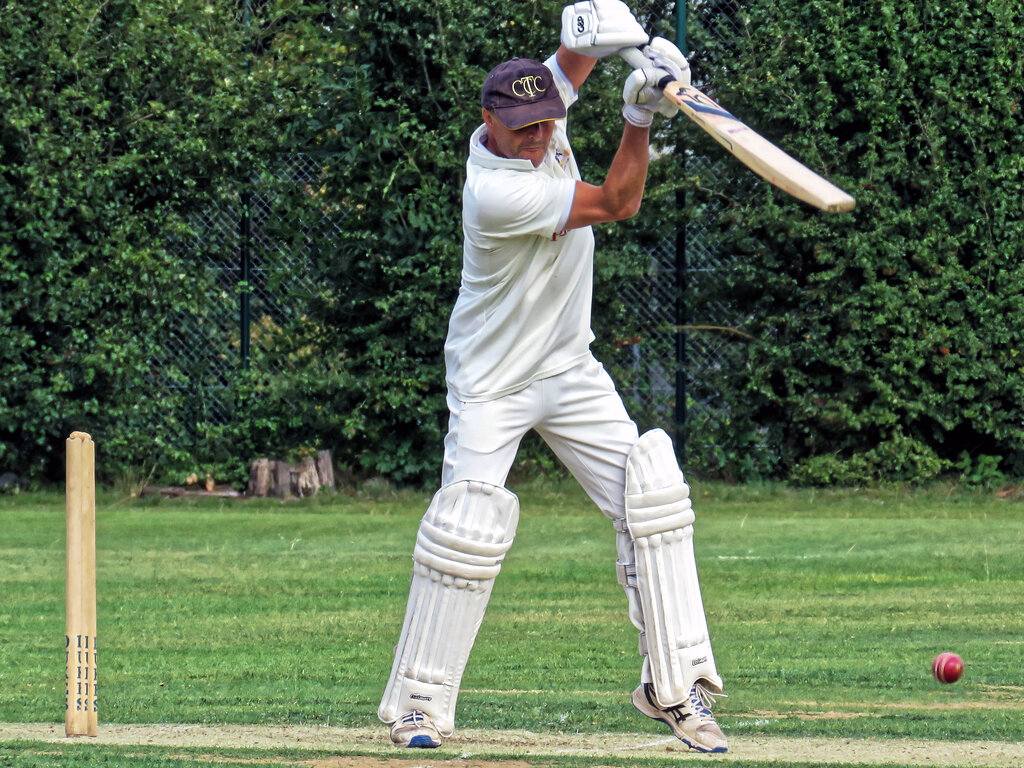
Misjudging the length is a common cause of dismissal. Playing back to a full ball can lead to being bowled or trapped LBW, while playing forward to a short ball can result in being caught off a mistimed shot. Advanced batsmen refine this skill by watching the bowler's release point and the early trajectory of the ball. To counter a swinging ball, many players focus on playing late—letting the ball travel as close to the body as possible before making contact. This minimizes the effect of any late deviation and relies on soft hands to guide the ball into gaps.
Commanding the Crease
The batting crease isn't just a line; it's a zone of control. By moving within the crease, a batsman can manipulate the bowler's effective length. Stepping back deep into the crease as the bowler runs in can make a good-length delivery feel slightly shorter, turning a defensive ball into an opportunity to cut or pull. This also provides an extra split-second to react to high-velocity bowling.
Conversely, advancing down the wicket turns a good-length ball into a full toss or half-volley, which is much easier to hit. This is a high-risk, high-reward strategy often used against spinners to disrupt their rhythm and hit over the infield before the ball has a chance to turn sharply.
The Trigger Movement
At the highest level, you'll rarely see a batsman remain perfectly still as the bowler approaches. Most employ a small, subtle motion just before the ball is released. This is called a trigger movement and its purpose is to shift from a static stance to a dynamic, ready position. It prevents the batsman from being flat-footed and allows for a quicker and more fluid transfer of weight into the shot.
A common trigger movement is a small step back and across with the back foot. This aligns the body, opens up the hips, and prepares the batsman to move either forward or back with equal ease.
Against spin, the trigger might be different. A batsman might take a small step forward, looking to smother the spin by getting to the pitch of the ball. The key is that the movement should be minimal, controlled, and completed just as the bowler releases the ball. A poorly timed or exaggerated trigger can leave a batsman off-balance and out of position.
Time to test your understanding of these advanced concepts.
What is the primary advantage of adopting an open-chested batting stance?
A bowler delivers a ball that pitches closer to the batsman (a fuller delivery). What is the correct footwork response?
Mastering these mechanical adjustments is what separates good batsmen from great ones. It's a constant process of adapting your technique to counter the specific challenges posed by each bowler and situation.