Mastering Cricket Strategy and Professional Play
Match Format Dynamics
The Three Faces of Cricket
Cricket isn't just one game; it's a sport with multiple personalities. The core rules of bat, ball, and wickets remain the same, but changing one key variable—time—creates three distinct strategic challenges: Test matches, One Day Internationals (ODIs), and Twenty20 (T20). Each format demands a different mindset, tempo, and team composition, transforming the risk-reward calculation for every player on the field.
Test Cricket The Ultimate Marathon
Played over five days, Test cricket is a game of attrition and endurance. With two innings per side and a minimum of 90 overs scheduled each day, the pressure isn't about scoring quickly, but about building a commanding position over a long period. Batters prioritize wicket preservation, grinding down the bowling attack with defensive resilience. Bowlers focus on consistency, setting traps and exploiting tiny cracks in a batter's technique over many overs.

Team selection reflects this long-form battle. You need opening batters with immense concentration, bowlers who can maintain pace and accuracy across long spells, and often two specialist spin bowlers to exploit a wearing pitch on the final days.
The unique structure allows for a powerful strategic tool: the follow-on . If the team batting second is all out for a score 200 or more runs behind the team that batted first, the first team's captain can choose to make them bat again immediately. This forces the trailing team back onto the field while they are fatigued, applying immense psychological and physical pressure.
The follow-on is a captain's ultimate weapon to press an advantage and deny the opposition any chance to rest and regroup.
Even this traditional format is evolving. The modern English team has popularized an aggressive strategy nicknamed '', which treats Test cricket more like a limited-overs game. They focus on scoring rapidly to put the opposition under pressure and create opportunities for victory, challenging the long-held belief that defensive patience is the only path to success in the five-day game.
T20 The All-Out Sprint
At the opposite end of the spectrum is T20 cricket, where each team faces a maximum of just 20 overs (120 balls). The game is a frantic, three-hour explosion of action. With such a limited number of deliveries, every ball is an event. The primary goal is to maximize the scoring rate from the very beginning.
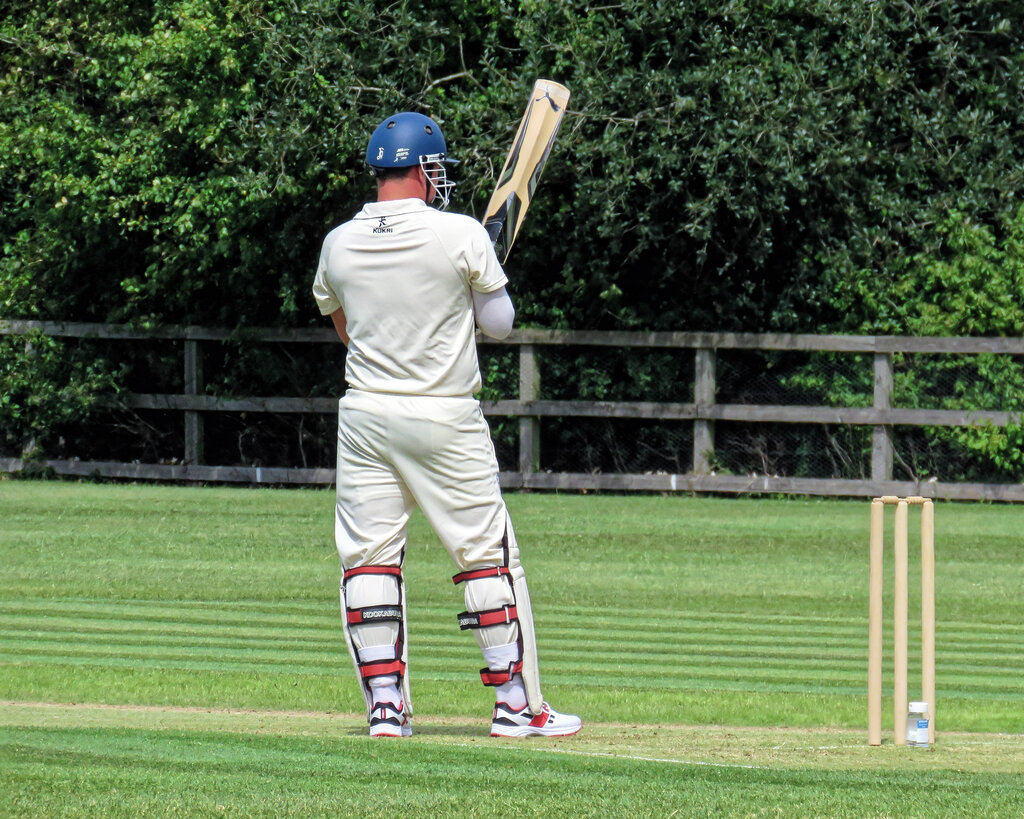
This format is defined by power-hitting. Batters are selected for their ability to clear the boundary ropes, not for their defensive technique. Bowlers must be masters of disguise, using slower balls, yorkers, and other variations to deceive aggressive batters. There is no time to settle in; the action is immediate and intense.
A key element is the , which occurs during the first six overs of the innings. During this phase, the fielding team is only allowed to have two players outside the 30-yard inner circle. This restriction creates huge gaps in the outfield, giving batters a golden opportunity to score rapidly by hitting the ball over or through the infield.
The evolution of scoring has been dramatic. A run rate of 6 per over was once considered good in ODIs; in T20, teams regularly aim for 9 or 10 runs per over. This relentless need for runs has led to the rise of multi-skilled all-rounders who can hit boundaries and bowl effectively, making them the most valuable players in the format.
ODI The Tactical Middle Ground
One Day Internationals, with 50 overs per side, serve as a tactical bridge between the marathon of Tests and the sprint of T20s. An ODI innings is often broken down into three distinct phases, each requiring a different approach.
| Phase | Overs | Typical Strategy |
|---|---|---|
| Opening Powerplay | 1–10 | Aggressive start, similar to T20, exploiting fielding restrictions. |
| Middle Overs | 11–40 | Consolidate, rotate the strike, and build partnerships with less risk. |
| Death Overs | 41–50 | All-out attack, aiming to score as many runs as possible. |
The most complex phase is the middle overs . After the initial Powerplay, fielding restrictions are eased, and the focus shifts from boundary hitting to accumulating runs through smart placement and quick singles. This is where teams build a foundation for their final assault. Batters must balance aggression with caution, while bowlers aim to take wickets and slow the scoring rate.
Team composition in ODIs requires a blend of specialists. You need the explosive power of a T20 hitter for the start and end of the innings, combined with the technique and temperament of a Test player to navigate the tricky middle overs. A successful ODI team can adapt its tempo on the fly, knowing when to defend and when to attack.
Ready to test your strategic knowledge?
What is the defining characteristic of Test cricket compared to other formats?
In a T20 match, what is the 'Powerplay'?
Understanding these formats reveals the incredible depth of cricket. It's a game where the same set of skills can be applied toward wildly different objectives, all dictated by the simple constraint of time.