Mastering Credit Card Rewards for Travel
Understanding Credit Card Rewards
Getting Paid to Spend
Credit card rewards are a simple concept: you get a little something back every time you use your card. Think of it as a thank you from the card issuer for your business. Instead of just spending money, you're earning a small return on every purchase, from your morning coffee to your monthly bills.
These rewards come in different forms, but they all add up over time. The key is to use a card that gives you back the most for the purchases you're already making. It's not about spending more; it's about spending smarter.
The Three Flavors of Rewards
Most rewards programs fall into one of three main categories: cash back, points, or miles. Each one offers a different kind of value.
Cash Back is the most straightforward. You earn a percentage of your spending back as cash, which can be applied as a credit to your statement or deposited into a bank account. It's simple and flexible.
Points are a more versatile currency. You can redeem them for a wide range of things, including travel, merchandise, gift cards, or even cash back. The value of a point can change depending on how you use it. For example, a point might be worth one cent for cash back but two cents when redeemed for a flight.
Miles are designed for travelers. You earn miles that can be redeemed for flights, hotel stays, or rental cars. Some cards are tied to a specific airline or hotel chain, while others offer flexible miles that can be transferred to various travel partners.
| Reward Type | How It Works | Best For |
|---|---|---|
| Cash Back | Earn a percentage of your spending back in cash. | Simplicity and flexibility. |
| Points | Accumulate points to redeem for various rewards. | People who want options and can maximize value. |
| Miles | Earn miles for use with airlines and hotels. | Frequent or aspiring travelers. |
How You Earn Rewards
Earning rewards isn't just about swiping your card. Card issuers have different ways of calculating how many points or miles you get for each dollar you spend.
Almost every card has a base earning rate, typically one point or mile per dollar spent on general purchases. But the real power comes from bonus categories. These are specific types of spending, like groceries, dining, or gas, where you earn rewards at an accelerated rate—think 3, 4, or even 5 points per dollar.
Some cards have fixed bonus categories that never change, while others have rotating categories that update every few months. Many cards also offer a large welcome bonus, giving you a lump sum of points or miles after you spend a certain amount of money within your first few months of opening the account. These bonuses are often the quickest way to accumulate a large number of rewards.
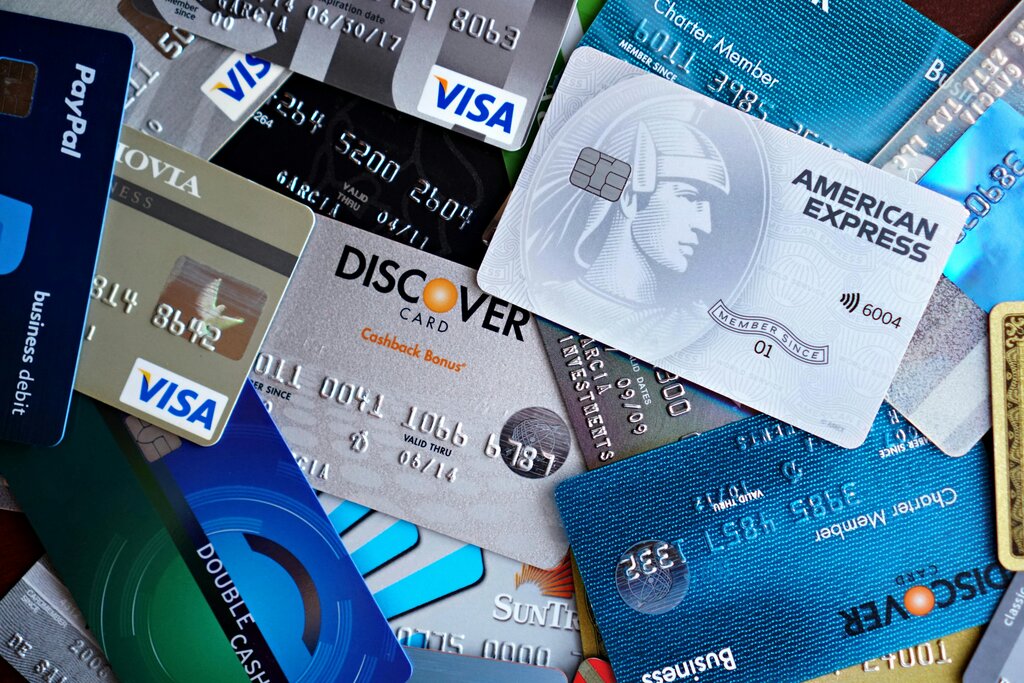
Match Your Card to Your Wallet
The most effective rewards strategy starts with understanding your own spending. Before choosing a card, take a look at where your money goes each month. Do you spend a lot on dining out? Are groceries your biggest expense? Do you travel frequently for work?
The best way to get started is to understand your spending patterns, think about what type of rewards you prefer and pick a program that offers ways to earn points that match your spending patterns and rewards that cater to your preferences.
Answering these questions helps you find a card that aligns with your lifestyle. If you spend $500 a month on groceries, a card that offers 5% cash back on groceries is far more valuable than a card that offers 2% on everything. The goal is to choose a card that rewards you for your existing habits, turning everyday expenses into tangible benefits.
By picking a card that fits how you live, you ensure you’re always earning the most possible rewards on every dollar you spend, without changing your habits at all.
What is the primary purpose of credit card rewards from a consumer's perspective?
Which type of reward currency is known for having a value that can change depending on how it's redeemed (e.g., for travel vs. cash back)?