Mastering Core Web Vitals and Performance Debugging
Introduction to Web Performance
What is Web Performance?
Web performance is a simple idea: it’s about how fast your website feels to a user. This includes how quickly the pages load, how smoothly animations run, and how fast the site responds when you click a button or fill out a form.
Think of it like the difference between a high-end sports car and an old clunker. Both can get you from point A to point B, but the experience is worlds apart. A high-performance website delivers content to the user quickly and reliably, creating a smooth, seamless experience.
It’s not just about raw speed. It's about the user's perception of speed. A site that feels fast is a successful one.
Why Speed Matters
A slow website is frustrating. We’ve all been there: staring at a blank screen, waiting for something to happen. More often than not, we give up and go somewhere else. This is the core reason performance is critical for user experience. A slow site can lead to higher bounce rates, which is when users leave after viewing only one page.
For businesses, this has a direct impact on the bottom line. Even a one-second delay in page load time can hurt conversion rates, meaning fewer sales, sign-ups, or leads. People are less likely to trust or engage with a website that feels broken or sluggish.
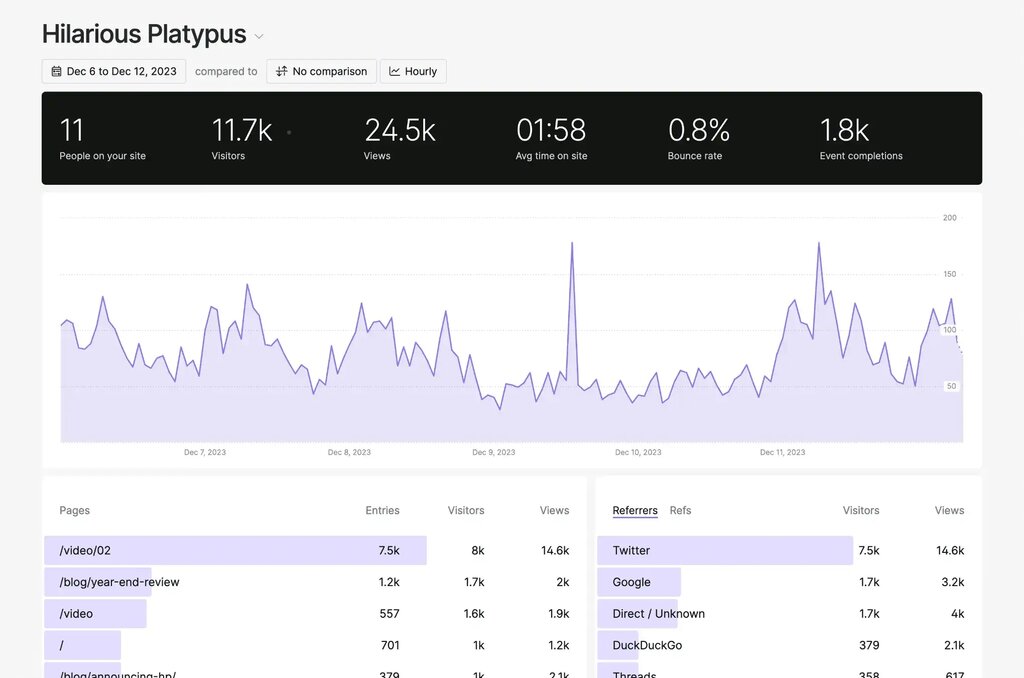
Performance also plays a major role in Search Engine Optimization (SEO). Search engines like Google aim to provide the best possible results for their users. A fast, responsive website provides a better experience, so search engines tend to rank them higher in search results. A slow website can be penalized, making it harder for potential customers or readers to find you.
Page speed is a critical ranking factor.
How We Measure Performance
To improve performance, we first need to measure it. But web performance isn't a single number. It's a collection of metrics that, together, paint a picture of the user experience. These metrics help developers identify bottlenecks and understand what aspects of the site need improvement.
These metrics can generally be grouped into three main categories, each answering a different question from the user's perspective.
| Metric Category | What It Measures | Example Question |
|---|---|---|
| Loading | How quickly content appears on the screen. | How long until I see something useful? |
| Interactivity | How quickly the page responds to user input. | How long after I click the button does something happen? |
| Visual Stability | Whether content jumps around as the page loads. | Does the layout shift unexpectedly while I'm trying to read? |
By focusing on these areas, you can create a website that not only loads quickly but also feels responsive and stable, giving users the best possible experience.