Mastering Core Concepts and Applications
Conceptual Frameworks
From Theory to Action
A conceptual framework is a tool for thinking. Think of it as a blueprint or a map that shows how different ideas, or concepts, connect to each other and to the real world. It organizes thoughts and provides a structure for understanding a problem or topic.
Instead of just holding a collection of facts, a framework helps you see the relationships between them. It’s the story that links theory to practice, turning abstract knowledge into a guide for action. Much like a recipe guides a chef, a conceptual framework guides a professional in their field, providing a path from understanding to application.
Why Frameworks Matter
Frameworks are essential because they bridge the gap between knowing what and knowing how. They provide a systematic way to approach complex problems, ensuring that you consider key variables and relationships. Without a framework, you might overlook critical factors or struggle to make sense of information.
They also provide a shared language for teams and professionals. When everyone understands the same framework, collaboration becomes more efficient. It helps align efforts, define goals, and measure progress in a consistent way.
By adopting this framework, educators can create dynamic, engaging, and highly effective learning experiences that equip students with the durable critical thinking and problem-solving skills necessary for success in their academic and professional lives.
A classic example from education is Bloom's Taxonomy. It's a framework that classifies different levels of thinking, from basic recall to complex creation. Educators use it to design assignments and questions that push students beyond simple memorization.
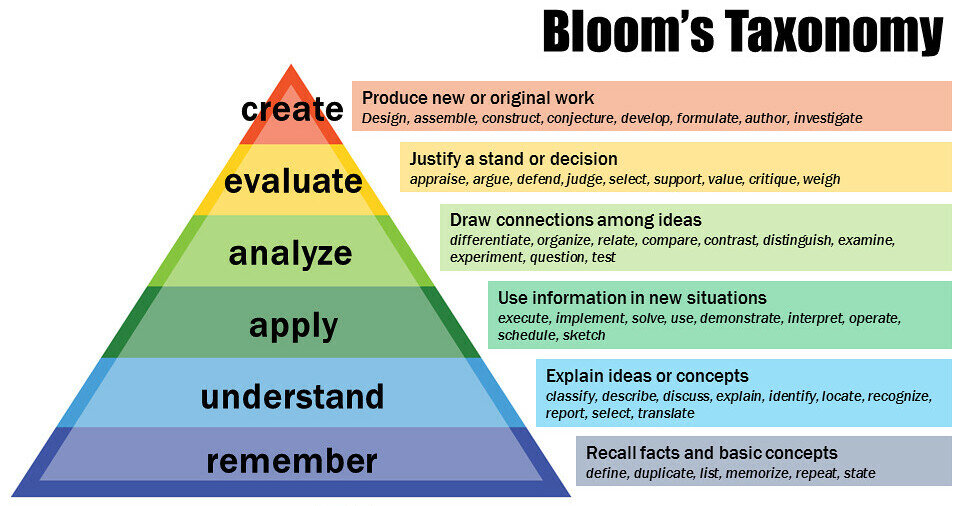
Seeing these levels laid out helps a teacher structure a lesson plan. They might start with activities that require students to remember and understand a topic. Then, they'll design tasks that challenge students to apply, analyze, and evaluate the information before, ultimately, creating something new with their knowledge.
Evaluating Different Approaches
There is rarely a single, perfect framework for any given situation. Different problems call for different tools. Part of developing expertise is learning to select the right framework for the job and understanding its strengths and weaknesses.
For example, in software development, the Waterfall model is a linear, sequential approach where each phase must be completed before the next begins. It’s rigid but predictable. In contrast, the Agile framework is iterative and flexible, allowing for changes throughout the development process. Neither is inherently better; their effectiveness depends on the project's goals, timeline, and uncertainty.
| Framework | Best For | Trade-Off |
|---|---|---|
| Waterfall | Projects with clear, fixed requirements and stable goals. | Inflexible; difficult and costly to make changes late in the process. |
| Agile | Projects where requirements are expected to evolve and change. | Less predictable; requires constant customer collaboration. |
Understanding these trade-offs is crucial. Choosing a framework means prioritizing certain values over others. Do you need predictability or adaptability? Is it more important to have a comprehensive plan upfront or to be able to respond to feedback quickly? The answers guide your choice.
Now that you understand what frameworks are and why they're useful, let's test your knowledge.
What is the primary purpose of a conceptual framework?
According to the text, a conceptual framework helps bridge the gap between knowing 'what' and knowing 'how'. What does this mean?
By learning to see and use conceptual frameworks, you can more effectively connect what you know to what you do.