Mastering Conversational English
Dynamic Sentence Structures
The Basic Blueprint
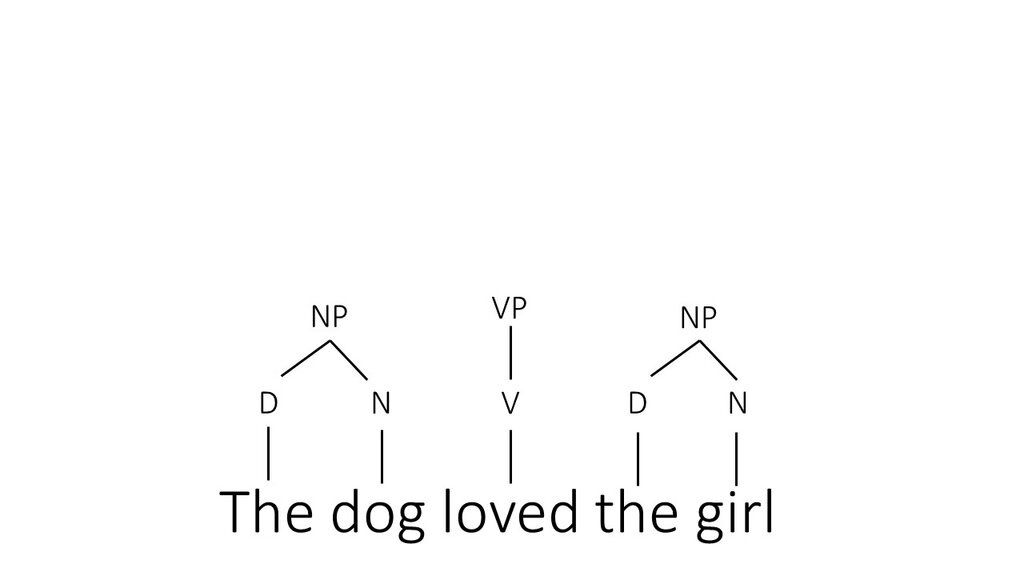
You know words. Now it's time to arrange them into thoughts. In English, the most common sentence pattern is Subject-Verb-Object, or SVO. The subject is who or what is doing the action. The verb is the action. The object is what receives the action.
Subject (Who) + Verb (Action) + Object (What)
Think of it as a simple story. She reads books. 'She' is the subject, 'reads' is the verb, and 'books' is the object. This structure is the backbone of English. Sticking to this order makes your meaning clear and your speech sound natural. Even complex sentences often build upon this basic SVO foundation.
| Subject | Verb | Object |
|---|---|---|
| I | like | coffee. |
| They | play | soccer. |
| The cat | chased | the mouse. |
This SVO pattern is incredibly common across the globe, but it's not universal. Some languages, like Japanese and Korean, use a Subject-Object-Verb (SOV) structure. A speaker of an SOV language might naturally say, "I coffee like," which is grammatically incorrect in English. Mastering SVO is your first step to fluent conversation.
Asking Questions
Making a statement is one thing, but conversations are a two-way street. To ask questions, we need help from special verbs called auxiliary verbs—often called "helping verbs." The most common ones are do, be, and have. When you ask a simple yes/no question about an action, do is your go-to helper. It jumps to the front of the sentence.
Statement: You like pizza. Question: Do you like pizza?
Notice how the main verb, 'like', doesn't change. 'Do' does the heavy lifting. For subjects like he, she, or it, we use 'does'.
| Statement | Question |
|---|---|
| He plays guitar. | Does he play guitar? |
| They work here. | Do they work here? |
Making Negative Statements
Auxiliary verbs are also key to saying "no." To make a sentence negative, you pair an auxiliary verb with the word not. For most simple verbs, this means bringing in do again.
You do not like pizza. He does not play guitar.
In spoken English, we almost always use contractions. They make speech flow more smoothly. Do not becomes don't, and does not becomes doesn't. Using the full form can sound very formal or add strong emphasis.
Learn Simple Sentence Structures: Focus on subject-verb-object (SVO) patterns, as these are the building blocks of most English sentences.
Linking It All Together
Not all verbs show action. Some verbs connect, or link, the subject to a description. These are called linking verbs The most important linking verb is to be (am, is, are, was, were).
Instead of an SVO pattern, sentences with linking verbs often follow a Subject-Verb-Complement (SVC) structure. The complement renames or describes the subject.
- She is a doctor. (Doctor renames she)
- They are happy. (Happy describes they)
When you ask questions or make negatives with to be, you don't need do. The verb to be is strong enough to do the job on its own. To ask a question, just move the verb to the front. To make it negative, add not after it.
| Statement | Question | Negative |
|---|---|---|
| He is tired. | Is he tired? | He is not (isn't) tired. |
| They are here. | Are they here? | They are not (aren't) here. |
By mastering these simple patterns for statements, questions, and negatives, you can start combining your vocabulary into meaningful, fluid conversations.
Ready to test your knowledge?
Which sentence correctly follows the Subject-Verb-Object (SVO) pattern?
How do you correctly turn the statement 'They live here' into a yes/no question?
Building sentences is like building with blocks. Once you understand the basic connections, you can create almost anything.