Mastering Contract Management
Contract Lifecycle Stages
The Contract Lifecycle
A contract isn't just a static document. It's a living agreement with a distinct journey, much like a project or a product. This journey is called the contract lifecycle, a series of stages that guide an agreement from its initial idea to its final conclusion. Understanding these stages provides a clear framework for managing any contract effectively, ensuring all parties know what to expect and what's required of them at every step.
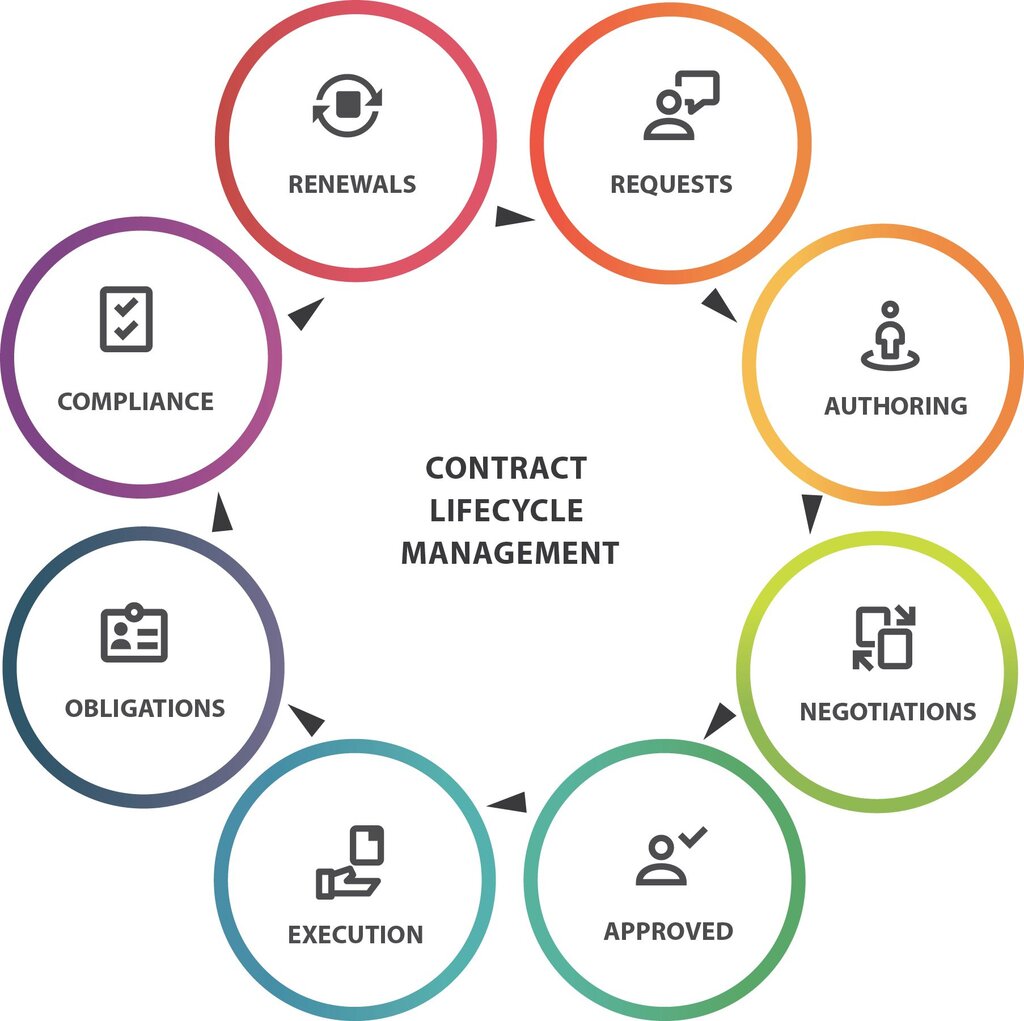
While specific models might vary, the core progression remains consistent. Each phase has its own purpose, challenges, and best practices. Let's walk through the six key stages.
Initiation and Negotiation
Every contract starts with a need. The Initiation stage is where this need is identified and defined. A business might need to hire a new vendor, lease office space, or partner with another company on a project. Key activities during this phase include gathering all necessary information, identifying stakeholders, and outlining the basic requirements and goals for the agreement.
Once the need is clear, the Negotiation stage begins. This is the critical back-and-forth process where both parties work to reach a mutual understanding. The initial draft of the contract is created, reviewed, and revised. Lawyers, managers, and technical experts from both sides may get involved to hash out specific terms, from payment schedules and delivery dates to liability clauses and intellectual property rights. The goal is to produce a document that is clear, fair, and acceptable to everyone involved.
The negotiation phase is where you build the blueprint for the relationship. Every term clarified here prevents a potential dispute later.
Execution and Monitoring
With terms agreed upon, the contract moves to the Execution stage. This is the formal step of signing the agreement, which makes it legally binding. In the past, this meant physical signatures on paper documents. Today, it often involves secure electronic signatures. Once executed, the contract is officially active, and all parties are legally obligated to fulfill their respective duties. The finalized contract should be securely stored and made accessible to all relevant stakeholders.
The contract now enters its longest and most active phase: Performance Monitoring. This is where the promises made on paper are turned into action. During this stage, both parties carry out their responsibilities. For a contract manager, this involves tracking key dates, milestones, and deliverables. Are payments being made on time? Are services being delivered as specified? This stage requires active oversight to ensure compliance and to identify any potential issues before they escalate.
Renewal and Termination
As a contract nears its end date, a decision must be made. This is the Renewal stage. Is the relationship working well? Do the terms still make sense for both parties? This phase involves reviewing the contract's performance and deciding whether to extend it, renegotiate its terms, or let it expire. If a renewal is desired, the process often loops back toward the negotiation stage to agree on a new term.
Finally, every contract reaches its end. The Termination stage is the formal conclusion of the agreement. This can happen in a few ways. The most common is when a contract simply reaches its expiration date and is not renewed. It can also be terminated by mutual agreement or if one party fails to meet its obligations. The key activities in this final stage include ensuring all payments have been made, all services have been rendered, and any final obligations are properly closed out. This provides a clean end to the relationship and minimizes future risk.
Let's test your understanding of these stages.
What is the primary activity during the Initiation stage of the contract lifecycle?
In which stage of the contract lifecycle does the agreement become legally binding?
By viewing contracts through this lifecycle, you can manage them proactively, not reactively. Each stage presents an opportunity to ensure the agreement delivers its intended value.