Mastering Contract Management
Contract Lifecycle Overview
The Contract Lifecycle
A contract isn't just a piece of paper or a digital file; it's a living asset with a distinct lifecycle. From the initial idea to its final sign-off and beyond, every contract moves through a series of stages. Managing this journey, known as Contract Lifecycle Management (CLM), is critical. It transforms contracts from static documents into strategic tools that drive value, mitigate risk, and create opportunities for an organization.
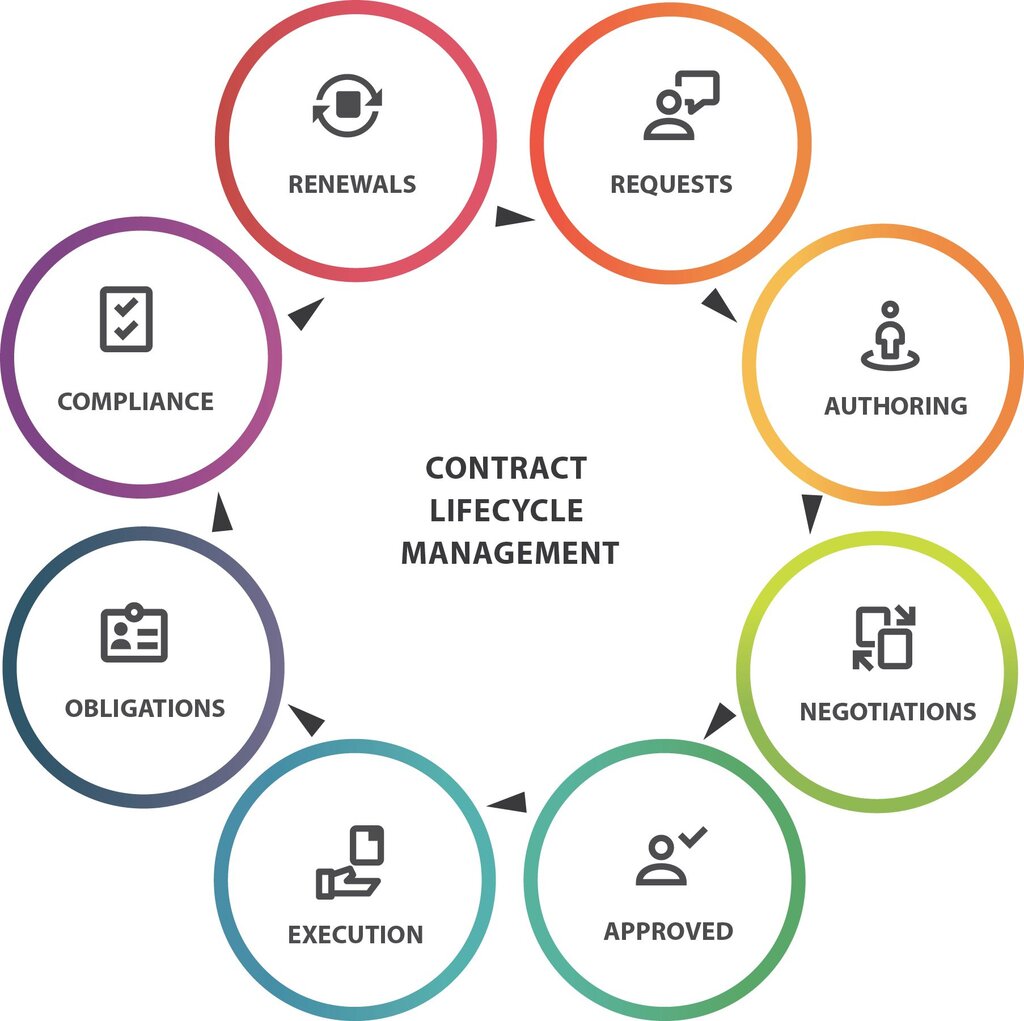
Understanding this lifecycle allows businesses to be proactive rather than reactive. Instead of dealing with problems as they arise, a strong CLM process anticipates challenges and builds in safeguards at every step. Each phase has its own strategic purpose, contributing to the overall health and success of the business relationship defined by the contract.
From Request to Signature
The early stages of a contract's life are foundational. Getting these right sets the stage for a successful partnership and minimizes future friction.
1. Request: It all begins with a need. Someone in the organization identifies the necessity for a contract, whether it's for procuring goods, hiring a service, or forming a partnership. The strategic goal here is clarity. A well-defined request, outlining the objectives, scope, and key requirements, ensures the contract is built on a solid foundation.
2. Authoring: This is where the legal language takes shape. Instead of starting from scratch, effective CLM relies on pre-approved templates and clause libraries. This approach ensures consistency, legal compliance, and accelerates the drafting process. The strategy is to build a document that is not only legally sound but also clear and operationally practical for the teams who will manage it.
3. Negotiation: Once a draft exists, it's shared with the other party. This phase involves a back-and-forth to align on terms, responsibilities, and pricing. The key isn't to "win" but to arrive at a fair agreement that protects your organization's interests while being workable for your partner. Modern CLM tools facilitate this by tracking changes and enabling collaboration, turning a potentially adversarial process into a constructive one.
Clear terms and collaborative negotiation prevent costly disputes later. The work done before the signature is just as important as the work done after.
4. Approval and Execution: Before the contract is finalized, it must go through internal approvals. A strategic CLM process defines a clear, automated workflow. This ensures the right stakeholders—from legal to finance to department heads—review and approve it without causing unnecessary delays. Once approved, the contract is signed. The execution phase transforms the negotiated terms into a legally binding commitment.
Managing the Active Contract
A signed contract is not the end of the story; it's the beginning of the operational phase. This is where the value of the agreement is truly realized or lost.
5. Obligation Management: Every contract contains obligations—promises made by each party. This could be anything from delivering goods on a specific date to meeting certain quality standards. Proactively tracking these commitments is crucial. The strategic importance is twofold: ensuring your organization fulfills its promises to maintain good relationships, and verifying that the other party delivers on theirs to secure the expected value.
6. Compliance and Auditing: Contracts often include terms related to regulatory and policy compliance. This stage involves regularly checking that all activities under the contract adhere to these rules. For example, are data security protocols being followed? Are industry regulations being met? Audits provide a snapshot of performance and compliance, helping to identify risks before they become major problems.
Effective contract management requires active communication with both internal and external stakeholders.
7. Amendments and Revisions: Business needs change. The market shifts. A contract might need to be updated to reflect new realities. This stage manages any modifications to the original agreement. A formal amendment process, tracked within the CLM system, ensures that all changes are documented, approved, and communicated, maintaining the integrity of the contract.
The End of the Line
All contracts eventually reach their end date, and managing this final phase is just as important as the beginning.
8. Renewal or Termination: As a contract approaches its expiration date, a decision must be made: renew, renegotiate, or terminate? An effective CLM system provides alerts well in advance, giving teams ample time to evaluate the contract's performance. Was it successful? Did it provide good value? This data-driven approach allows for strategic decisions, avoiding the frantic, last-minute rush or the costly mistake of letting a valuable contract expire unintentionally.
By managing every stage of this lifecycle, organizations turn contracting from an administrative burden into a competitive advantage. It ensures that the value negotiated at the start is fully realized by the end.
Now, let's test your understanding of how these stages work together.
What is the primary strategic goal during the 'Request' stage of the contract lifecycle?
A company realizes they are often caught off-guard when important contracts are about to expire. Improving which CLM stage would most directly solve this problem?
Mastering the contract lifecycle empowers organizations to be more agile, compliant, and profitable.