Mastering Contract Drafting
Contract Formation Basics
The Blueprint of Agreement
You already know the ingredients of a contract: offer, acceptance, consideration, and a few other key elements. But knowing the list is different from knowing how to build with them. Drafting a contract isn't about reciting legal theory; it's about translating a mutual understanding into clear, enforceable language. A well-drafted contract acts as a precise blueprint for the parties' agreement, eliminating ambiguity before it can become a dispute.
The goal is to capture the exact moment minds meet. This is called mutual assent, or a "meeting of the minds." Your job as a drafter is to make this moment undeniable on the page. Every clause you write should work toward this goal, ensuring that what the parties agreed to is exactly what the document reflects.
Drafting Offer and Acceptance
The offer and acceptance are the heart of the agreement. In drafting, your task is to define the boundaries of the offer so clearly that the acceptance can be nothing but a mirror image. An offer clause should leave no questions unanswered. It must define the subject matter, quantity, price, and delivery terms with precision.
Vague: 'Seller will provide consulting services.'
Precise: 'Seller shall provide 20 hours of marketing consulting services per month, delivered remotely via video conference, as detailed in Exhibit A.'
Equally important is how acceptance is communicated. Relying on default legal rules, like the mailbox rule, is a rookie mistake in a world of instant communication. A good contract specifies the exact method and timing of acceptance. Does an email count? A text message? A click on a digital platform? Your draft must say so.
// Example Acceptance Clause

"Acceptance of this Offer must be communicated in writing and delivered to the Offeror at the email address provided below no later than 5:00 PM Pacific Standard Time on October 31, 2024.

Any purported acceptance communicated by any other means or after this deadline shall be void and of no effect."
Articulating Consideration and Intent
Consideration is the value exchanged between the parties—the 'what for what.' It's not enough for it to exist; it must be clearly articulated in the contract. Each party's promise or performance must be explicitly linked to what they are receiving in return. This prevents future arguments that a promise was merely a gift.
Phrases like "in consideration of the mutual covenants set forth herein" are standard, but they should be followed by specifics. Detail the exact payment, the services to be rendered, or the goods to be delivered. Even if the value seems trivial, it should be stated. This is where concepts like become relevant in practice.
| Type of Consideration | Vague Language | Precise Drafting |
|---|---|---|
| Monetary | 'For a fee' | 'In exchange for a one-time payment of $5,000.00 USD...' |
| Services | 'For services rendered' | 'In exchange for the graphic design services outlined in Schedule A...' |
| Goods | 'For goods provided' | 'In exchange for the delivery of fifty (50) Model X widgets...' |
Next is the intent to create legal relations. In commercial agreements, this is usually presumed. However, explicit language removes all doubt. A simple statement that the parties intend for the agreement to be legally binding and enforceable under the law solidifies this element. This is especially useful in agreements that might otherwise seem informal, like those between family members or in initial letters of intent.
There are few provisions implied into a contract under the common law system – it is therefore important to set out ALL the terms governing the relationship between the parties to a contract in the contract itself.
Capacity and Legality
Finally, a contract is only valid if the parties have the legal capacity to enter into it and if its purpose is lawful. While you can't magically grant a party capacity, you can draft clauses where each party represents and warrants that they have the authority to sign the agreement.
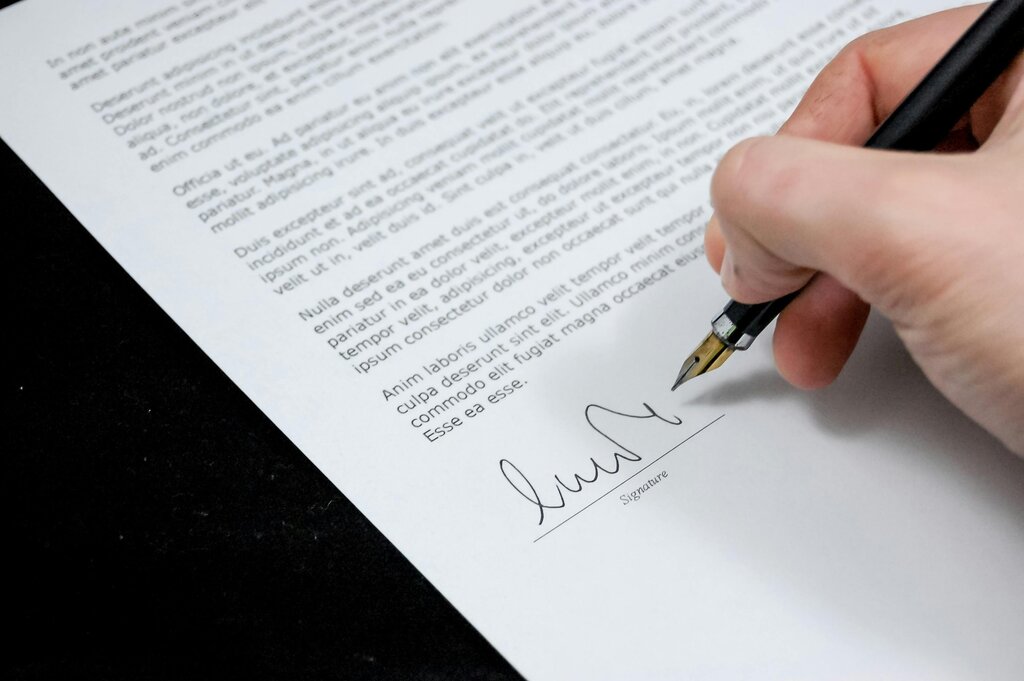
For example, in a corporate context, an individual signing on behalf of a company represents and warrants that they are an authorized officer. This doesn't fix a situation where they lied, but it provides the other party with a clear legal claim for breach of warranty if their authority was misrepresented.
Regarding legality, a 'severability' clause is essential. This clause states that if any part of the contract is found to be illegal or unenforceable, the rest of the agreement remains in effect. Without it, one illegal provision could void the entire contract, unraveling the whole deal.
Ready to test your understanding of these drafting principles?
What is the primary goal of a contract drafter when documenting an agreement?
To avoid ambiguity in a modern, fast-paced business deal, what is the best practice for a drafter to include regarding the acceptance of an offer?
By mastering the clear expression of these foundational elements, you move from merely knowing contract law to skillfully practicing it. Every word matters.