Mastering Contract Drafting
Contract Law Basics
The Anatomy of an Agreement
A contract is more than just a piece of paper with signatures. For an agreement to be legally binding, it needs a few key ingredients. Think of it like a recipe. If you leave out an essential component, you won't get the result you want. Let's break down the four core elements that make a contract work: mutual assent, consideration, capacity, and legality.
Mutual Assent
At the heart of every contract is a simple idea: the parties have to agree on the same thing. This is called mutual assent, or a "meeting of the minds." It's the moment when two separate intentions become one shared understanding. Mutual assent is achieved through a two-step dance: an offer and an acceptance.
First, one party makes an offer. This isn't just a casual suggestion. An offer is a clear, definite proposal that shows a willingness to be bound by certain terms. For example, saying "I will sell you my lawnmower for $200" is an offer. It's specific and outlines the deal.
Next, the other party provides acceptance. This is an unconditional agreement to the terms of the offer. A simple "I accept your offer" is enough. If the person responds with, "I'll take it for $150," that's not an acceptance. It's a counter-offer, which kills the original offer and starts the process over.
Consideration, Capacity, and Legality
Beyond a simple agreement, a contract needs a few more elements to stand up in court. These ensure the deal is fair and lawful.
Consideration
noun
Something of value that is promised, given, or done by one party in exchange for the promise or performance of another.
Consideration is the "what's in it for me?" part of the deal. It's the price of the promise. Each party must give something of value to the other. This doesn't have to be money. It can be a product, a service, or even a promise to not do something (this is called forbearance).
For example, if a neighbor offers you $50 to not play your loud music after 10 PM for a month, your promise to refrain from doing something you have a right to do is your consideration. His $50 is his consideration. Without this two-way exchange, you just have a gift, not a contract.
Every binding contract requires mutual consideration. Both parties must be giving and getting something of value.
Next is capacity. This means the people entering into the contract must be legally competent to do so. Generally, this excludes minors, people with certain mental incapacities, and those who are heavily intoxicated. The law protects these individuals by assuming they may not fully understand the obligations they are taking on.
Finally, the purpose of the contract must be legal. A contract to perform an illegal act is void from the start. You can have a perfectly structured agreement with offer, acceptance, and consideration, but if the subject matter is illegal—like a contract to rob a bank—it is unenforceable in court.
Guiding Principles
Two final concepts frame how contracts operate. The first is the Doctrine of Privity. This principle states that only the parties directly involved in a contract have rights and obligations under it. A third party, someone who is not part of the agreement, generally cannot sue to enforce it or be held liable for its terms.
Think of it like a private conversation. If two friends agree to meet for lunch, a third friend can't force them to go. The agreement is between them and them alone.
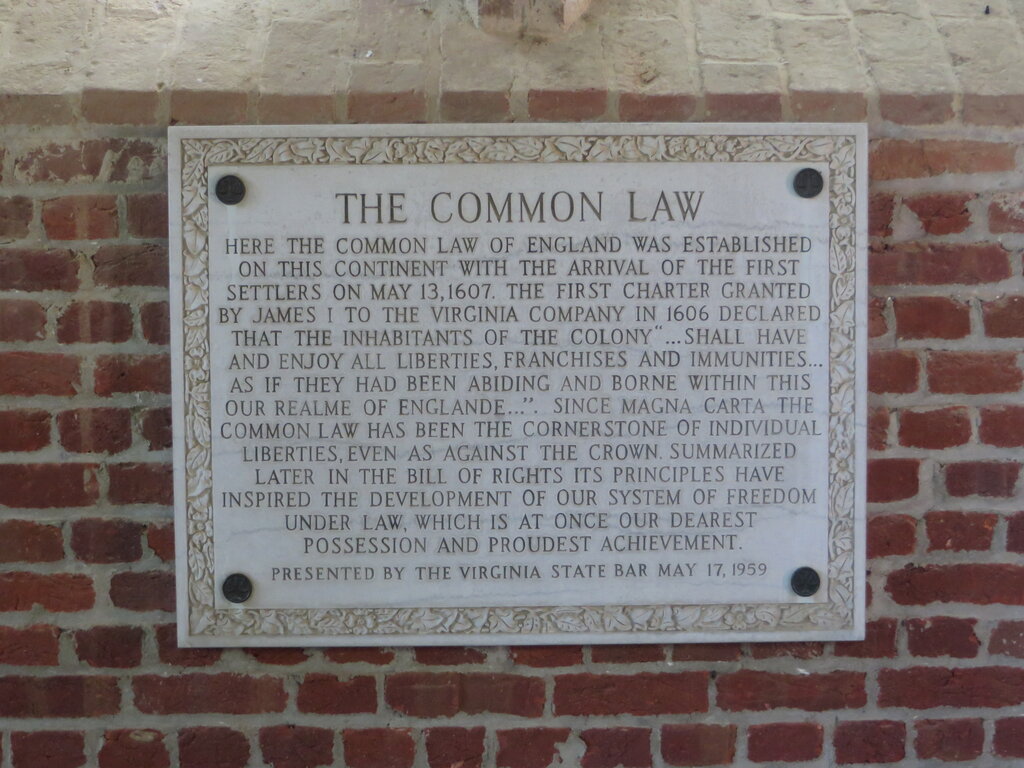
The second principle is a cornerstone of contract law, known by its Latin name.
Agreements must be kept.
This means that once a valid contract is formed, it is binding, and the parties are expected to honor their commitments. It reflects the law's serious view of promises. When you enter a contract, you are not just making a casual pledge; you are creating a legal obligation that courts can enforce.
Let's check your understanding of these foundational concepts.
Your friend promises to give you their concert ticket for free because they can no longer attend. You accept. Is this a legally binding contract?
Alex tells Beth, "I will sell you my bike for 80 for it." Beth's reply is considered a(n):
These elements and principles form the bedrock of every contract. Understanding them is the first step toward creating clear, effective, and enforceable agreements.