Mastering Context Engineering in AI
Introduction to AI
What Is AI Anyway?
Artificial Intelligence is about making computers smart. Think of it as the science of teaching a machine to think, learn, and solve problems like a human would. Instead of just following a strict set of pre-programmed instructions, an AI system can analyze information, recognize patterns, and make decisions on its own.
Imagine trying to teach a computer to identify a cat in a photo. You wouldn't write code to describe every possible cat feature—pointy ears, whiskers, a tail. Instead, you would show it thousands of cat pictures. The AI learns from these examples, figuring out the common features of a cat for itself. That ability to learn is the core of modern AI.
Artificial Intelligence
noun
A field of computer science dedicated to creating systems that can perform tasks that typically require human intelligence, such as visual perception, speech recognition, decision-making, and translation between languages.
A Quick Trip Through Time
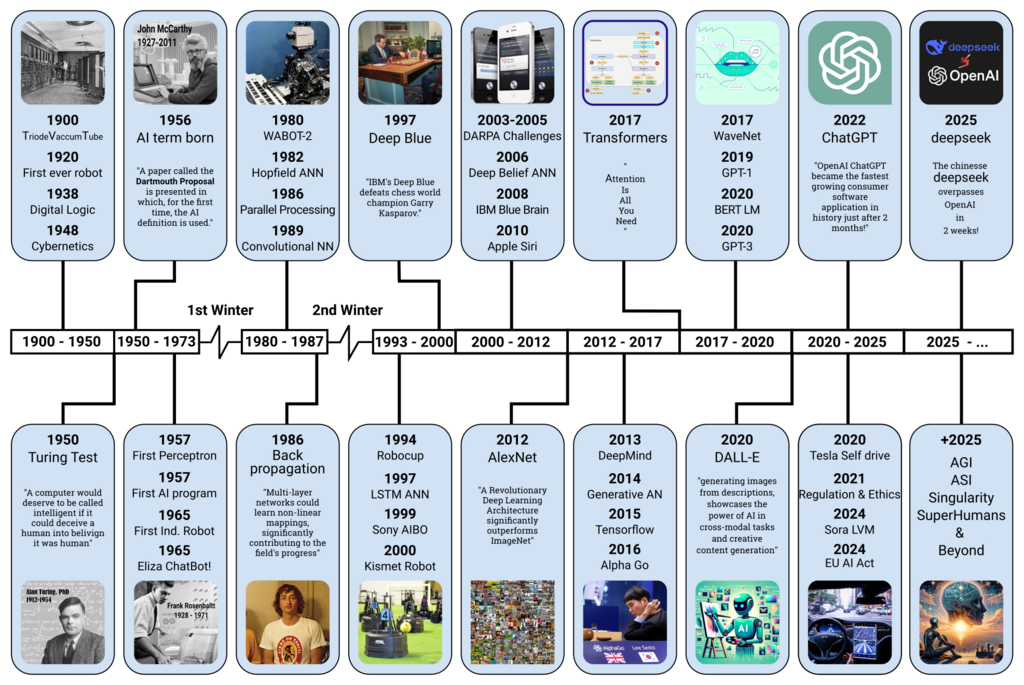
The idea of intelligent machines has been around for centuries, but the actual field of AI officially kicked off in the 1950s. Early researchers were incredibly optimistic, believing a machine with human-level intelligence was just a few decades away. They made progress in areas like game playing and problem-solving.
However, progress stalled. The computers of the time weren't powerful enough and the data needed to train AI was scarce. This led to a period known as the "AI winter," when funding and interest dried up. But in the last couple of decades, things have changed dramatically. The explosion of the internet created massive amounts of data, and computer processors became exponentially more powerful. These two ingredients—big data and powerful hardware—fueled the AI boom we see today.
AI in Your Daily Life
You might not always notice it, but you likely interact with AI every single day. It's the engine behind many of the services you use.
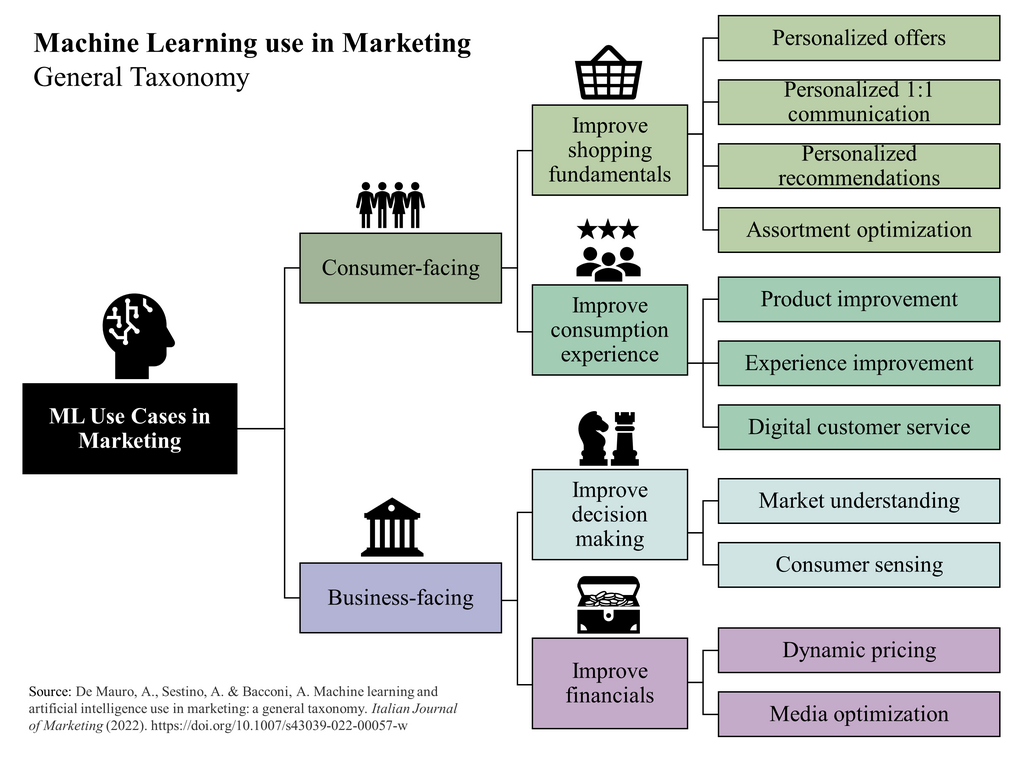
When your favorite streaming service recommends a new show, that's AI. When your email sorts a message into the spam folder, that's AI. When you ask a voice assistant for the weather, you're talking to an AI.
AI's impact goes far beyond personal convenience. In healthcare, it helps doctors detect diseases like cancer from medical images with greater accuracy. In finance, it constantly scans for fraudulent transactions to protect your accounts. Farmers even use AI-powered drones to monitor crop health and optimize water usage.
These applications are just the beginning. As the technology continues to evolve, AI will become an even more integrated part of our world, changing how we work, live, and solve challenges.
What is the fundamental goal of Artificial Intelligence?
The historical period when AI funding and interest declined is known as the 'AI winter'. What were the primary causes of this slowdown?
Now that you have a grasp of the basics, you're ready to explore the different types of AI and how they work.