Mastering Context Engineering for AI
Introduction to Context Engineering
More Than Just a Prompt
When you ask a friend, “What's the weather like?” they know you mean the weather right here, right now. They have context. They know your location, the time of day, and that you’re probably deciding whether to grab a jacket.
An AI model, on its own, knows none of this. Without background information, it can’t give you a useful answer. It needs to be given the right information at the right time to perform well. This is the core idea behind context engineering.
Context engineering is the strategic design, management, and delivery of relevant information—or “context”—to AI systems in order to guide, constrain, or enhance their behavior.
Think of it as setting the stage for the AI. Before the model even tries to answer your question, context engineering makes sure it has all the necessary props, scripts, and background details. This “context” can include many things:
- Your location or personal preferences.
- The history of your current conversation.
- Documents, articles, or data relevant to your query.
- Specific rules or guidelines on how to behave.
Why Context Is Crucial
Providing the right context is the difference between a generic, unhelpful AI and one that feels intelligent and tailored to your needs. A well-designed context helps an AI stay focused, accurate, and safe. It grounds the model in reality, preventing it from making up facts or “hallucinating.”
For example, a customer service AI needs the context of a customer's purchase history to resolve an issue effectively. A coding assistant needs the context of the entire project's codebase to suggest relevant code. Without this surrounding information, the AI is just guessing.
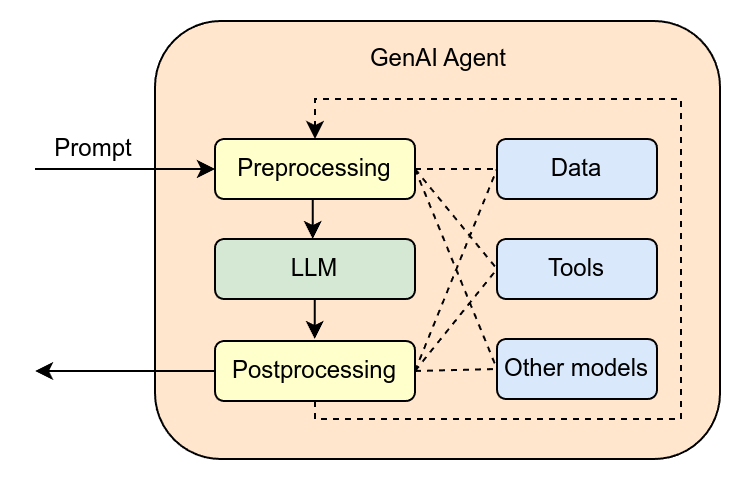
Managing this flow of information is critical. Too little context, and the model is clueless. Too much, and it can get confused, slow down, or become more expensive to run. The goal is to provide a lean, powerful package of information that leads to the best possible response.
Effective context engineering provides the smallest possible set of high-signal information to maximize the chance of a useful output.
Context vs. Prompt Engineering
You might have heard of prompt engineering, which is the art of crafting the perfect instruction or question for an AI. It's a related but distinct skill. The two work together, but they address different parts of the interaction.
Imagine you’re directing an actor.
- Prompt Engineering is the specific line you give them: “Say ‘To be or not to be’ with a sense of deep sadness.”
- Context Engineering is everything else: the costume they’re wearing, the set design, the backstory of their character, and the events that just happened in the previous scene.
The line itself is important, but the performance is shaped by the entire environment. The same is true for AI.
| Prompt Engineering | Context Engineering | |
|---|---|---|
| Focus | The specific question or command | The background information and environment |
| Goal | To ask the right question | To ensure the AI knows the right things |
| Analogy | Giving a chef a recipe | Stocking the chef's pantry with ingredients |
Here’s a simpler way to think about it.
Prompt engineering controls how you ask. Context engineering controls what the AI knows before it answers.
As AI systems become more complex, simply writing a good prompt isn’t enough. Building a robust system for managing context is what allows AI to move from being a simple chatbot to a truly powerful and reliable tool.
What is the primary goal of context engineering in AI?
According to the actor analogy, prompt engineering is like giving an actor their specific line to say. What is context engineering in this scenario?
Mastering these foundational concepts is the first step toward building more sophisticated and effective AI applications.