Mastering Content Proofreading
Understanding Proofreading
The Final Polish
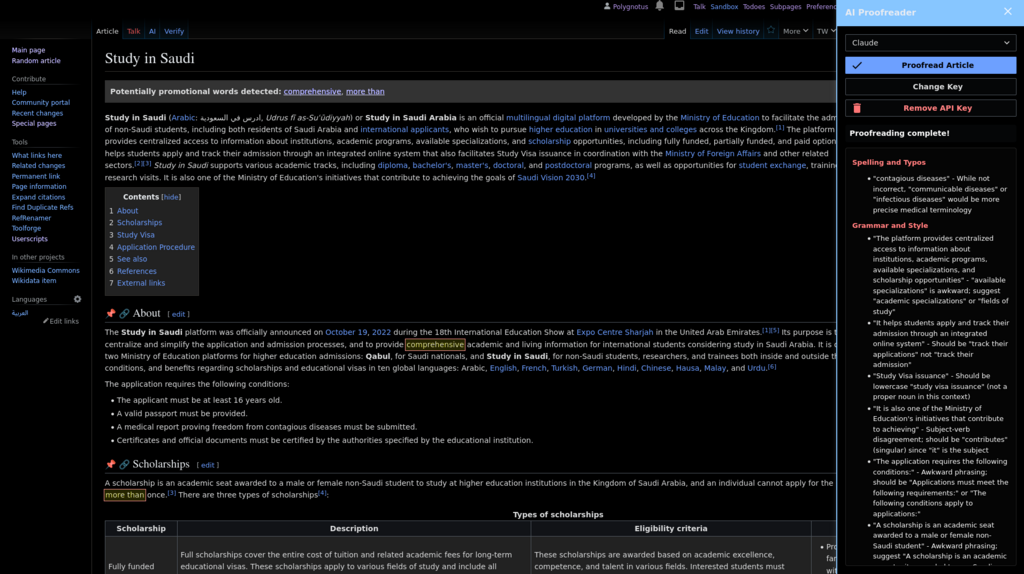
Writing doesn't end when you type the last word. Before any piece of writing meets its audience, it needs a final, careful review. This last step is called proofreading, and it’s the crucial stage where you hunt for and correct small errors in the text.
Proofread
verb
To read and mark final corrections in a text before it is published.
The main goal of proofreading is to ensure the text is clean, professional, and free of distracting mistakes. It’s the last line of defense against errors before a document goes public, whether it’s a blog post, an academic paper, or a company report.
It’s easy to confuse proofreading with editing or revising, but they are distinct stages of the writing process. Revising deals with the big picture, like argument and structure. Editing focuses on sentence-level clarity and flow. Proofreading is the final, surface-level check.
| Stage | Focus | Key Question |
|---|---|---|
| Revising | Big Picture: Ideas, structure, argument | Is my message clear and well-supported? |
| Editing | Clarity: Word choice, sentence flow, tone | Are my sentences easy to read and understand? |
| Proofreading | Correctness: Typos, grammar, formatting | Is this text free of errors? |
Common Errors to Catch
When you proofread, you're looking for specific types of mistakes that can slip through earlier stages. Your focus narrows to the small details that make a big difference in the final product.
Proofreading typically targets four main areas: spelling, grammar, punctuation, and formatting.
Spelling: This includes typos and words that are spelled correctly but used in the wrong context, like “your” instead of “you’re.”
Grammar: You'll check for issues like subject-verb agreement (e.g., “The team are meeting” should be “The team is meeting”) and consistent verb tense.
Punctuation: This involves looking for missing commas, incorrect apostrophe use, and other punctuation mistakes that can change the meaning of a sentence.
Formatting: A final check ensures that spacing, headings, fonts, and indentation are consistent throughout the document. Inconsistent formatting can make a text look sloppy and unprofessional.
Why Proofreading Matters
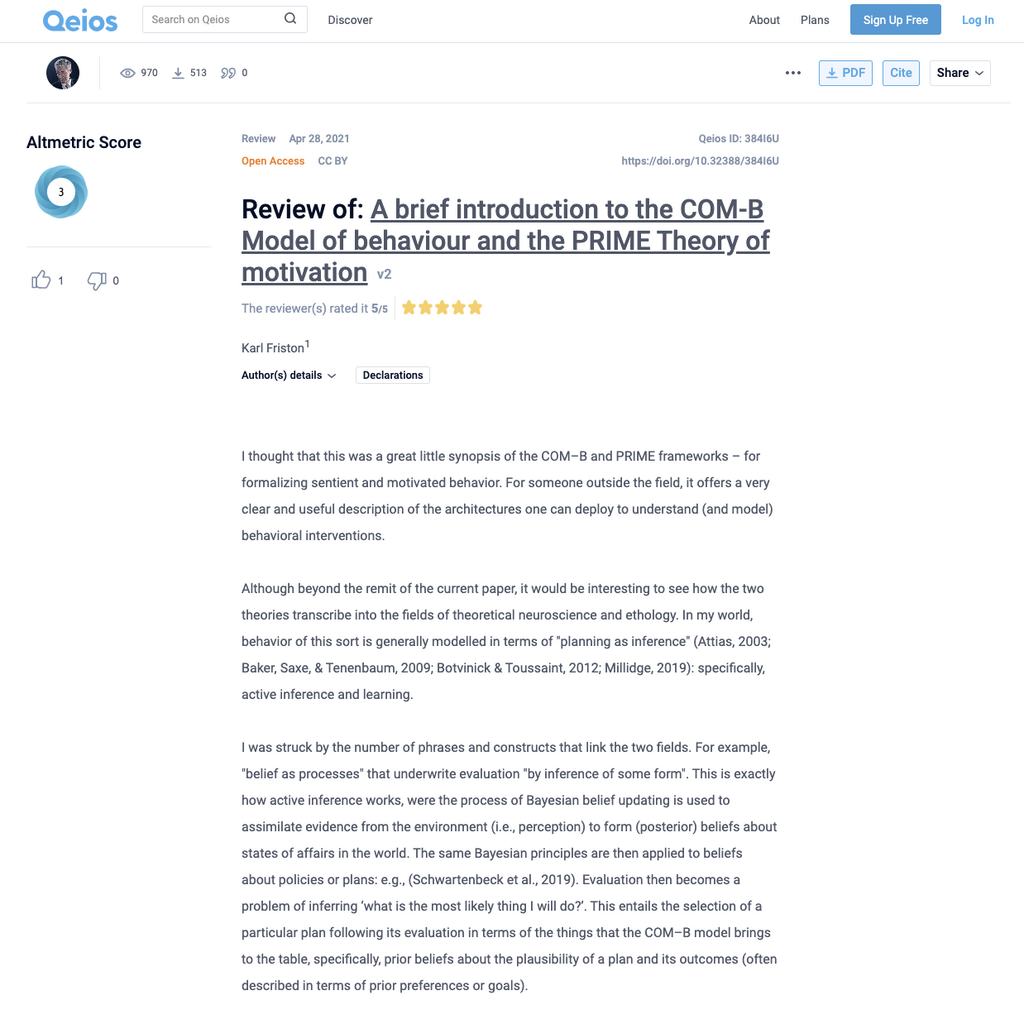
A single typo in a resume can be the difference between getting an interview and being overlooked. In any context, errors can undermine your credibility. When a reader spots a mistake, it can break their concentration and cause them to question the authority and care you put into your work.
Thorough proofreading is essential in many different areas.
Academic writing: In papers and research, accuracy is paramount. Errors can suggest a lack of rigor.
Professional communication: In reports, emails, and presentations, clean text conveys competence and attention to detail.
Digital content: For websites, blogs, and social media, error-free content builds trust with your audience and enhances your brand’s reputation.
Ultimately, proofreading is an act of respect for your reader. It shows that you value their time and attention enough to present them with a polished, professional, and easy-to-read piece of work. It’s the final touch that makes your writing shine.
Ready to check your understanding? Let's see what you've learned about the fundamentals of proofreading.
What is the primary goal of proofreading?
According to the text, which of these is NOT a specific type of error that a proofreader looks for?
By mastering this final step, you ensure your ideas are presented with the clarity and professionalism they deserve.