Mastering Content Delivery Networks
Introduction to CDNs
The Speed of the Internet
The internet feels instant, but it's not magic. When you visit a website, your browser sends a request to a computer called a server, which then sends the website's data back to you. This all happens incredibly fast, but it's limited by a very real-world constraint: physical distance.
Imagine a website's main server is in Dublin, Ireland. If you're visiting from Boston, your request has to travel across the Atlantic Ocean and back. If someone in Sydney, Australia, visits the same site, their request travels halfway around the world. That physical distance creates a delay called latency. Even at the speed of light, these trips take time, making the website feel slow for users who are far away.
Latency
noun
The delay between a user's action and the web application's response to that action. In networking, it's the time it takes for a data packet to travel from one designated point to another.
How do we solve this? We can't move cities closer together, but we can move the website's content closer to the user. This is where a Content Delivery Network, or CDN, comes in.
A CDN is a group of servers distributed around the globe. It takes a website's static content—things like images, videos, and code files that don't change often—and stores copies of it on these servers. This process is called caching.
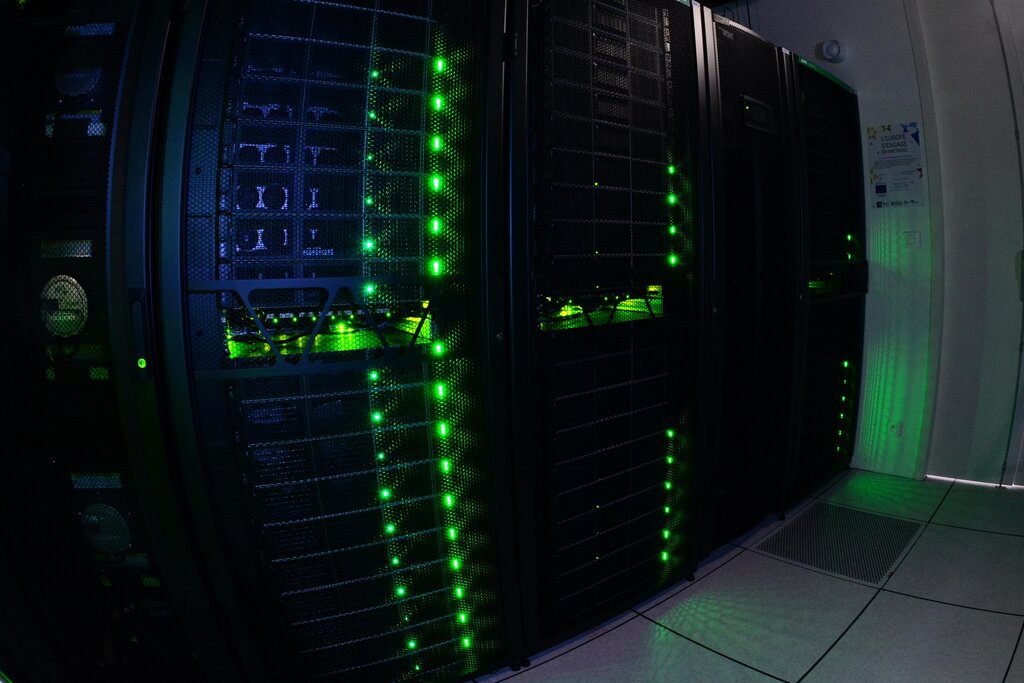
When you visit a site that uses a CDN, you aren't connected to the original server in Dublin. Instead, the CDN directs your request to the server closest to you. The user in Sydney gets the website's images from a server in Australia, and the user in Boston gets them from a server on the US East Coast. The data travels a much shorter distance, which dramatically reduces latency and makes the website load faster.
A CDN delivers content from servers that are geographically closer to the user, reducing latency and speeding up load times.
So, the core job of a CDN is simple: close the distance between a website's content and its visitors. By doing so, it improves speed, enhances the user experience, and even adds a layer of reliability. If one server has an issue, traffic can be automatically rerouted to another nearby server, keeping the website online and accessible.
Check your understanding
Let's review the key concepts.
What is the primary problem that a Content Delivery Network (CDN) is designed to solve?
A website's main server is located in Cairo, Egypt. Without a CDN, which of these users would likely experience the slowest loading time?
By distributing content globally, CDNs form a crucial part of the modern internet's infrastructure, making it feel fast and responsive for everyone, everywhere.