Mastering Content Creation
Understanding Your Audience
Who Are You Talking To?
Before you write a single word or design a graphic, the most important question to answer is: who is this for? Creating content without knowing your audience is like writing a letter with no address. You might have a brilliant message, but it won't reach the right person.
Everything you create should be a direct response to your audience’s needs, interests, and challenges. When you know who you’re talking to, you can tailor your message to be as relevant and engaging as possible. Let’s break down how to get to know them.
The 'Who': Demographics
The most basic layer of audience understanding is demographics. These are the quantifiable, factual characteristics of a group of people. Think of them as the basic census data about your audience.
Key demographic data includes:
- Age: Are you talking to teenagers or retirees?
- Location: Are they in a specific city, country, or region?
- Gender: Does your audience skew male, female, or is it balanced?
- Income Level: What is their purchasing power?
- Education: What is their level of formal education?
- Occupation: What do they do for a living?
This information helps you build a foundational picture of your audience. For example, knowing you’re targeting 25-35 year old urban professionals with high disposable income will drastically change your content compared to targeting high school students in rural areas.
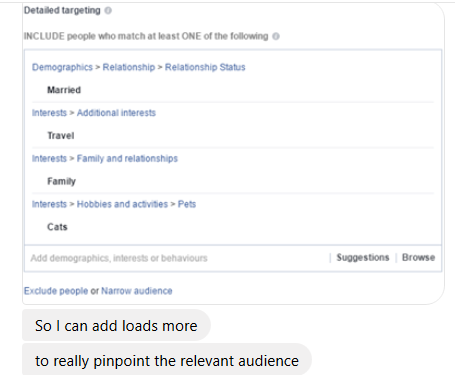
Demographics give you the basic outline of your audience, but it doesn't tell you the whole story. It's the skeleton, but not the personality.
Demographics tell you who your audience is, but not why they do what they do.
The 'Why': Psychographics and Behaviors
To truly understand your audience, you need to dig deeper into their psychology. Psychographics are the attitudes, interests, values, and lifestyles of your audience. This is where you move from a black-and-white sketch to a full-color portrait.
Psychographics answer questions like:
- Interests & Hobbies: What do they do for fun?
- Values & Beliefs: What is important to them in life? What causes do they support?
- Personality Traits: Are they adventurous, analytical, or cautious?
- Lifestyle: Are they health-conscious, tech-savvy, or family-oriented?
Behavioral patterns are about what your audience does. This includes their purchasing habits, the media they consume, and how they interact with brands online. Do they read reviews before buying? Do they prefer watching videos over reading articles? Are they active on Instagram but not on Twitter?
| Category | Demographics (The Facts) | Psychographics (The Personality) |
|---|---|---|
| Example Person | 30-year-old woman, lives in New York City, works in marketing, earns $90,000/year. | Values sustainability, loves hiking and yoga, prioritizes work-life balance, is an early adopter of new technology. |
| What it tells us | A basic profile of who she is. | How she thinks, what motivates her, and how she lives her life. |
Combining these layers gives you a powerful understanding. The 30-year-old marketer in New York isn't just a demographic profile. She's a person who would likely respond to content about eco-friendly tech gadgets or weekend hiking trails near the city.
Putting It All Together
Once you've gathered demographic and psychographic data, you can start identifying your audience’s specific preferences and challenges. What problems are they trying to solve? What information are they actively looking for?
This research isn't just theoretical. It directly informs your content strategy. If your audience is struggling with time management (a challenge), you can create content that offers productivity tips (a solution). If they are passionate about vintage fashion (an interest), you can create content that highlights unique finds.
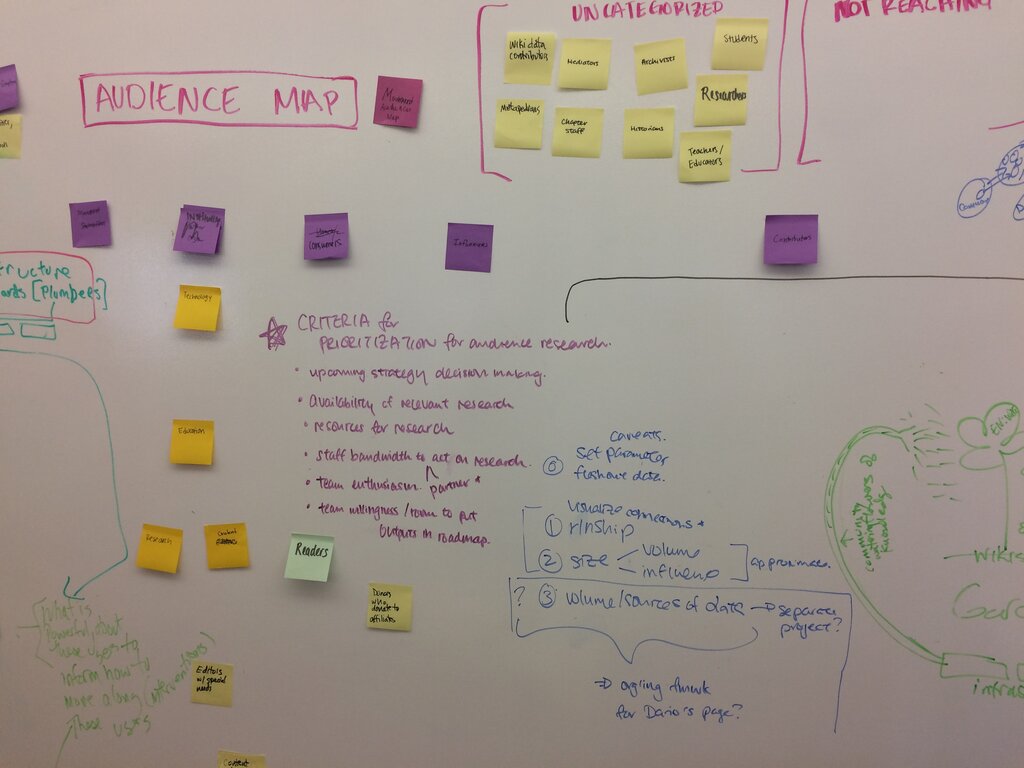
Finally, consider their content consumption habits. Where do they spend their time online? An audience of gamers might be on Twitch and Discord, while an audience of C-suite executives is more likely on LinkedIn. Do they prefer short, punchy videos or in-depth articles? Knowing this helps you choose the right format and platform to deliver your message effectively.
Understanding when they are most active allows you to publish content when they are most likely to see and engage with it.
Audience analysis involves identifying and adapting to the audience's interests, understanding, attitudes, and beliefs.
Now that you've learned the fundamentals of understanding your audience, let's review the key terms.
Ready to check your understanding? Take this short quiz.
What is the most important first step to take before creating any content, according to the text?
Psychographics are used to understand an audience's...
By building a detailed picture of your audience, you can stop guessing and start creating content that truly connects and provides value.