Mastering Constructive Feedback
Understanding Feedback
What is Feedback, Really?
Feedback is information about someone's performance that can be used for future improvement. In a team, it’s the conversation that keeps everyone aligned and moving forward together. When done well, it isn't a top-down critique; it's a shared tool for growth that builds stronger relationships and better results.
Feedback can help improve employee performance and create successful teams.
Think of it like a GPS. The system constantly checks your current location (actual performance) against your destination (the goal). When you stray off course, it provides a correction to get you back on track. Without that input, you might keep driving in the wrong direction. Similarly, feedback helps us understand if our actions are having the intended impact and allows us to adjust course as needed.
Two Sides of the Same Coin
Feedback isn’t just about pointing out what’s wrong. It comes in two essential forms: positive and negative.
Positive feedback is reinforcing. It highlights what someone is doing well. Its purpose is to encourage them to continue those specific actions. It goes beyond a simple "good job" by explaining why the action was effective. For example, instead of saying, "Great presentation," you might say, "Your data visualizations in that presentation made a complex topic easy for everyone to understand."
Negative feedback is corrective. Its goal is to address performance that isn't meeting expectations. This type of feedback can feel intimidating, but its purpose is constructive: to help someone see a gap between their current performance and the desired outcome. It’s about solving a problem, not placing blame.
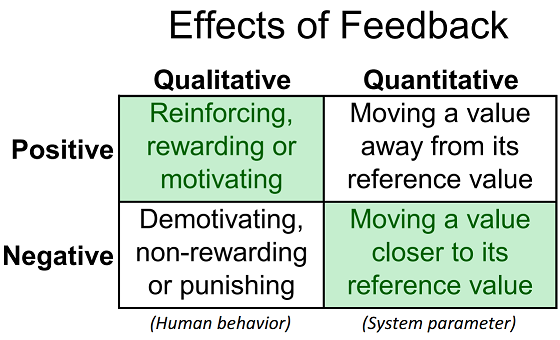
Both types are crucial for a complete picture of performance. Without positive feedback, people may not know which of their strengths to lean on. Without corrective feedback, they won't know where they have opportunities to grow.
Why We Hesitate
If feedback is so useful, why is giving the corrective kind so hard? Several common fears often get in the way.
One of the biggest barriers is the fear of upsetting the other person. We are often reluctant to say something that might hurt someone's feelings or make them feel defensive.
Another major concern is damaging the professional relationship. We worry that critical feedback might create awkwardness or resentment, making it harder to collaborate in the future. There's also the fear of being seen as negative or overly critical. No one wants a reputation for only pointing out flaws.
These hesitations are natural, but avoiding these conversations doesn't make the underlying issues disappear. In fact, withholding feedback often allows small problems to become much larger ones over time.
Shifting Your Mindset
Overcoming the barriers to giving feedback starts with a mental shift. Instead of viewing feedback as a confrontation, reframe it as an act of support and investment in someone's professional development.
Consider this: withholding information that could help a colleague improve isn't kind; it's a disservice. Providing constructive feedback shows you care about their growth and success.
To make the process feel less daunting, focus on the behavior, not the person. Feedback should address specific, observable actions and their impact. For example, instead of saying "You're not engaged in meetings," try "When you don't speak up in brainstorming sessions, we miss out on your perspective."
Finally, remember that your intention matters. When your goal is genuinely to help, not to criticize, the conversation becomes a collaborative effort to find a solution. This mindset helps reduce your own anxiety and makes the recipient more likely to be receptive.
What is the primary purpose of feedback in a team setting?
According to the text, positive feedback is __________, while corrective feedback is __________.
Understanding what feedback is and why it's important is the first step toward building a stronger, more effective team.