Mastering Constructive Feedback
Understanding Feedback
What is Feedback?
Feedback is information about someone's performance of a task, used as a basis for improvement. Think of it like a GPS for your actions. A GPS doesn't criticize you for taking a wrong turn; it simply provides information to get you back on track. In the same way, feedback isn't about praise or criticism. It's about providing clear information so you can adjust your course.
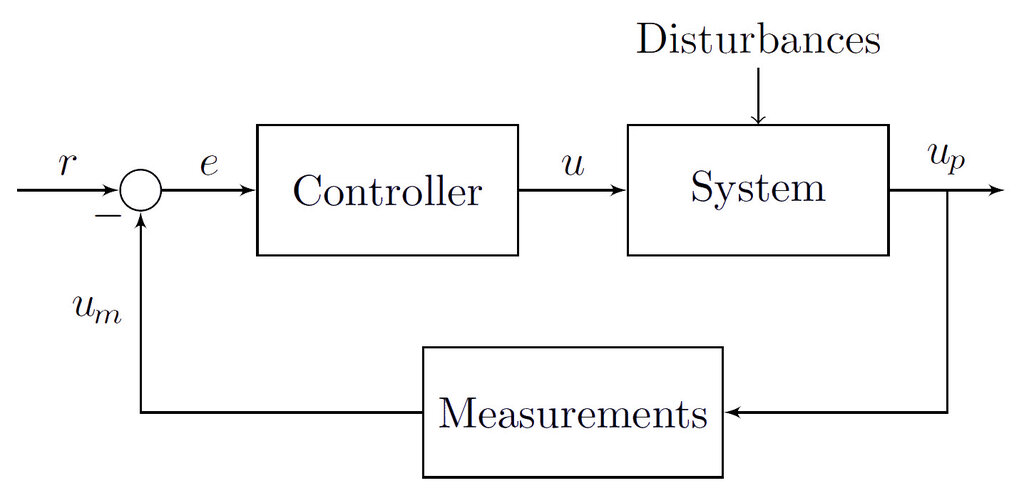
The core purpose of feedback is to guide future behavior. Whether you're learning a new skill, working on a team, or trying to improve a product, feedback provides the data you need to understand what's working and what isn't. It closes the loop between action and outcome, allowing for learning and growth.
The Two Faces of Feedback
Not all feedback is created equal. Its value depends entirely on how it's delivered. The difference between helpful and hurtful information comes down to whether it's constructive or destructive.
Constructive feedback is specific, focused on behavior, and delivered with the goal of helping someone improve. It's about the work, not the person. It offers a path forward.
Destructive feedback, on the other hand, is often vague, personal, and lacks actionable advice. It might sound like, "This report is terrible." This doesn't tell the recipient what was wrong or how to fix it. It attacks the person's ability and can leave them feeling defensive and demotivated.
| Constructive Feedback | Destructive Feedback |
|---|---|
| Specific and clear | Vague and general |
| Focuses on behavior | Attacks the person |
| Actionable and forward-looking | Lacks a path for improvement |
| Delivered with empathy | Can be harsh or insensitive |
| Aims to build up | Tends to tear down |
Constructive feedback is a powerful tool for development.
Why Feedback Matters
Effective feedback is a cornerstone of growth in nearly every area of life. On a personal level, it helps us see our blind spots. We can't always accurately judge our own performance, and feedback from others provides an external perspective that is essential for self-awareness and improvement.
In a team setting, feedback builds trust and improves performance. When team members can share honest, constructive feedback with each other, they can resolve issues faster, align on goals more effectively, and learn from one another's strengths. This creates a culture of continuous improvement.
For an entire organization, a strong feedback culture drives success. It ensures that everyone, from a new hire to the CEO, is aligned with the company's goals and is constantly refining their approach. It fuels innovation by making it safe to try new things, make mistakes, and learn from them.
A common misconception is that feedback is only for correcting mistakes. In reality, positive feedback that reinforces what someone is doing well is just as important for building confidence and encouraging good habits.
The Psychology of Feedback
If feedback is so useful, why is it often so hard to give and receive? The answer lies in our psychology. Hearing that we could have done something better can feel like a threat to our self-esteem or social standing, triggering a defensive reaction. This is a natural human response.
Our perception of feedback is heavily influenced by our mindset. Someone with a fixed mindset believes their abilities are innate and unchangeable. They are more likely to see feedback as a personal judgment and may react with anxiety or avoidance. In contrast, someone with a growth mindset believes their abilities can be developed through dedication and hard work. They are more likely to view feedback as a valuable opportunity to learn and grow.
Another factor is trust. We are far more likely to accept and act on feedback from someone we trust and believe has our best interests at heart. If the source is perceived as biased or unqualified, even the most well-phrased feedback can fall on deaf ears. The emotional state of both the giver and the receiver also plays a huge role; feedback delivered in anger or received on a bad day is rarely effective.
Understanding these psychological factors is the first step toward becoming better at both giving and receiving feedback. It allows us to approach these conversations with more empathy and self-awareness.
What is the primary function of feedback, as described in the analogy of a GPS?
Which of the following statements is an example of constructive feedback?
By understanding what feedback is, why it's important, and the psychological dynamics at play, you can begin to use it as a powerful tool for personal and professional development.