Mastering Construction Project Scheduling
Introduction to Construction Scheduling
The Project Roadmap
Think of a construction schedule as the master plan for a building project. It’s a detailed timeline that maps out every task, from laying the foundation to painting the walls. This schedule dictates who does what, when they do it, and what materials and equipment they'll need.
The main purpose of a schedule is to create a clear, coordinated path from the project's start to its finish.
Without a schedule, a construction site would be chaotic. Workers might show up before materials arrive, or one team could start a task that depends on another team's unfinished work. The schedule brings order to this complexity, ensuring every piece of the puzzle fits together at the right moment. It's the central tool that project managers use to guide the project, track progress, and make sure everyone is working towards the same goal.
The Benefits of a Good Plan
Effective scheduling is more than just making a to-do list; it's the backbone of successful project management. A well-crafted schedule delivers several key benefits.
First, it helps ensure the project finishes on time. By identifying potential bottlenecks and managing dependencies between tasks, a schedule minimizes delays. It also allows for better resource management. You can arrange for materials to be delivered exactly when they’re needed and book expensive equipment only for the specific days it’s required, avoiding unnecessary costs.
This leads directly to better cost control. Since time is money in construction, preventing delays saves on labor costs and equipment rentals. Finally, a schedule is a vital communication tool. It gives everyone involved—from the client to the subcontractors—a clear view of the project's progress and what’s coming next, keeping the entire team aligned.
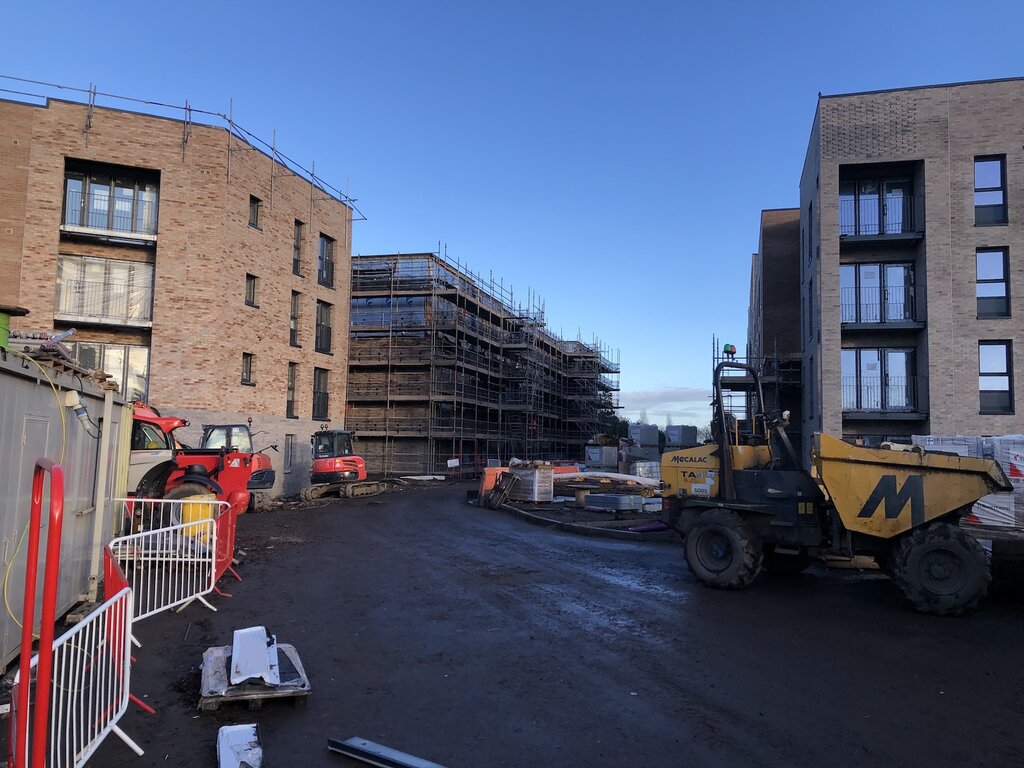
In construction project management, effective scheduling is critical.
Common Scheduling Methods
While there are many ways to create a schedule, a few common methods are used throughout the construction industry. These techniques help visualize the timeline and manage complex tasks.
Gantt Chart
noun
A type of bar chart that illustrates a project schedule. It lists tasks vertically and time intervals horizontally, with bars showing the start, duration, and end of each task.
Gantt charts are popular because they are easy to read and understand. At a glance, you can see what tasks are happening now, what's next, and which tasks overlap. They provide a clear visual overview of the entire project timeline.
Another powerful tool is the Critical Path Method (CPM). This technique is used to identify the sequence of essential tasks that determine the project's total duration. This sequence is known as the "critical path."
Any delay in a task on the critical path will delay the entire project. Tasks not on this path have some flexibility, or "float."
CPM helps project managers prioritize tasks and allocate resources effectively. By knowing which tasks are critical, they can focus their attention on preventing delays where they matter most. This method is often visualized as a network diagram, showing how tasks connect and depend on each other.
Understanding these basic scheduling concepts is the first step toward managing a construction project successfully. A good schedule is the foundation upon which an entire project is built, guiding it from a blueprint to a finished structure.