Mastering Construction Project Management in New Zealand
Introduction to Construction Project Management
The Blueprint for Building
Every building, bridge, or road starts as an idea. But turning that idea into a physical structure is a complex puzzle with countless moving pieces. Construction project management is the art and science of putting that puzzle together, ensuring a project is finished safely, on time, and within budget.
Construction project management is the comprehensive coordination, planning, and oversight of a construction project from inception to completion.
Think of a construction project manager as the conductor of an orchestra. They don't play every instrument, but they make sure every musician—from architects and engineers to contractors and suppliers—plays their part at the right time. Without this coordination, you get chaos instead of harmony, leading to costly delays and mistakes.
The Role of the Project Manager
A construction project manager wears many hats. Their job is to guide the project through its entire lifecycle. While specific duties vary, their core responsibilities usually include:
- Defining the Scope: Working with the client to clearly understand and document the project's goals, features, and requirements.
- Planning and Scheduling: Creating a detailed roadmap for the project, outlining all the tasks, who is responsible for them, and when they need to be done.
- Managing Resources: Coordinating people, equipment, and materials to make sure they are available when needed.
- Controlling Costs: Developing a budget, tracking expenses, and making sure the project doesn't go over its financial limits.
- Ensuring Quality: Setting quality standards and monitoring the work to ensure it meets those standards and complies with building codes.
- Handling Risks: Identifying potential problems before they happen and creating plans to deal with them.
- Communicating with Stakeholders: Keeping everyone involved—from the client to the subcontractors—informed about the project's progress.
stakeholder
noun
Any person, group, or organization that can affect or be affected by a project's outcome. This includes clients, employees, suppliers, and the local community.
The Project Lifecycle
Construction projects follow a structured path from start to finish. This journey is known as the project lifecycle, which is typically broken down into five distinct phases. Each phase has its own set of goals and activities, and completing one sets the stage for the next.
1. Initiation: This is where the project is born. The project's value and feasibility are assessed, a business case is created, and the main goals are defined. It's about answering the question: should we do this project?
2. Planning: Once the project is approved, it's time to create the roadmap. This is one of the most critical phases. The team develops the project plan, scope, schedule, and budget. Risk assessments are done, and all the tasks are broken down into manageable steps.
3. Execution: The plan is put into action. Resources are allocated, teams are built, and the physical construction work begins. The project manager's job here is to direct and manage the work as it happens.
4. Monitoring & Controlling: This phase runs alongside the execution phase. The project manager tracks progress against the plan, measuring performance and making adjustments as needed. The goal is to catch any deviations from the plan early and get the project back on track.
5. Closure: The final phase. The construction work is complete. The project manager formally closes the project by handing over the finished building to the client, completing all paperwork, releasing staff and equipment, and reviewing the lessons learned from the project.
The New Zealand Context
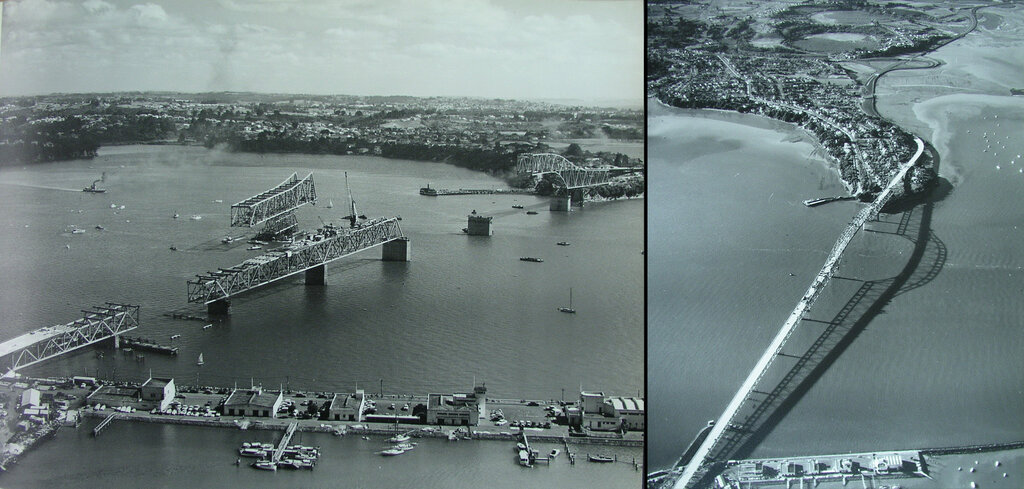
The construction industry is a cornerstone of New Zealand's economy. From residential housing to major infrastructure like Auckland's City Rail Link, construction projects shape the country's landscape. Managing these projects effectively requires a deep understanding of the local environment.
Several key regulatory bodies oversee the industry to ensure safety and quality. The Ministry of Business, Innovation and Employment (MBIE) sets the overarching rules, including the New Zealand Building Code. Local City and District Councils are responsible for issuing building consents and inspecting work to make sure it complies with the code. WorkSafe New Zealand focuses on health and safety, a critical aspect of any construction site.
Beyond regulations, the industry relies on standards and best practices to guide its work. Standards New Zealand develops and publishes official standards for everything from building materials to design methods. Adhering to these standards helps ensure that construction is safe, reliable, and fit for purpose.
Which analogy best describes the primary role of a construction project manager?
During which phase of the project lifecycle is a detailed roadmap, including the schedule and budget, created?
Successful construction project management is about bringing structure to complexity. By understanding their role, following the project lifecycle, and navigating the local industry landscape, project managers can turn a vision into a lasting reality.