Mastering Compound Interest
Introduction to Interest
The Price of Money
Imagine you want to borrow a car from a rental company. You wouldn't expect to use it for free. You pay a fee for the privilege of driving it for a few days. Interest is similar, but for money. It's the fee you pay for borrowing money, or the money you earn for letting someone else use yours.
Interest
noun
A charge for the privilege of borrowing money, typically expressed as an annual percentage rate.
Interest is a two-way street. If you take out a loan to buy a house, you pay interest to the bank. The interest is the bank's profit and covers their risk. On the other hand, if you put money into a savings account, the bank pays you interest. In this case, you are the lender, and the interest is your earning for letting the bank use your money.
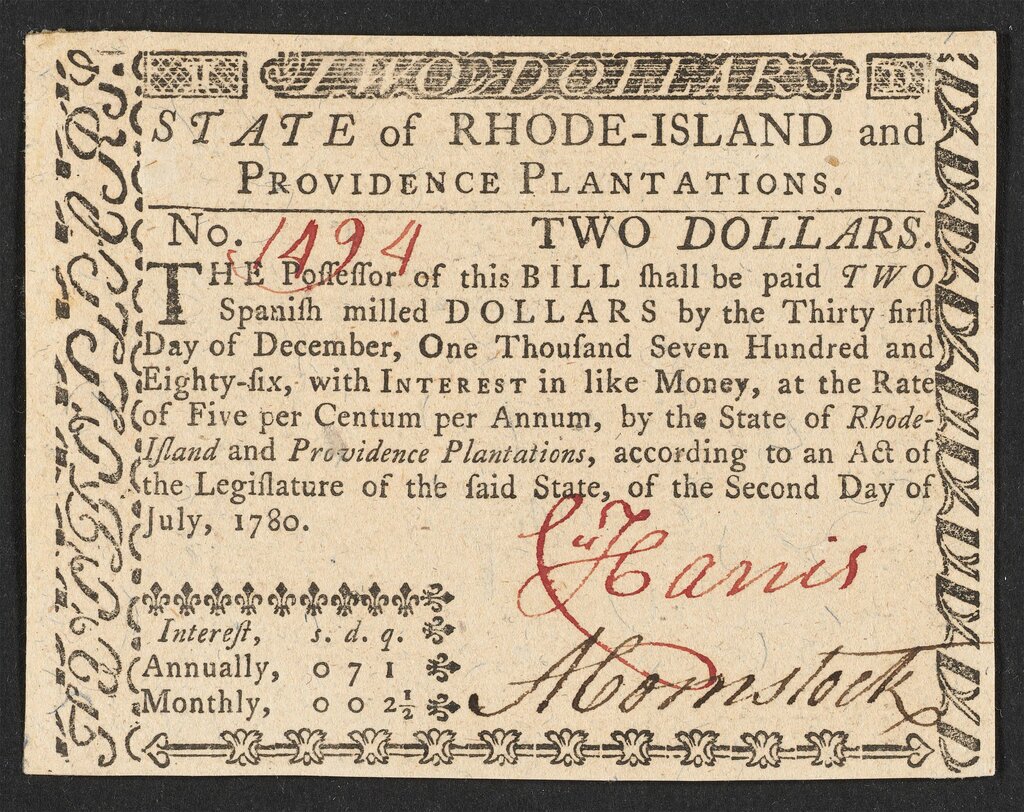
This idea isn't new. For centuries, interest has been a fundamental part of commerce, allowing people and businesses to make large purchases, invest in new ventures, and manage their finances over time.
Why Does Interest Exist?
Interest exists for a few key reasons, all related to the value of money and risk.
First, there's the time value of money. A dollar today is generally worth more than a dollar a year from now. You could use that dollar to buy something, or invest it and watch it grow. When someone lends money, they're giving up the ability to use that money right now. Interest compensates them for that delay.
Second is risk. There's always a chance that a borrower might not be able to pay back a loan. This is called default risk. Lenders charge interest to offset this potential loss. The higher the risk, the higher the interest rate.
Finally, inflation plays a role. Inflation is the rate at which the general level of prices for goods and services is rising, and subsequently, purchasing power is falling. Interest helps lenders ensure that the money they get back in the future has the same buying power as the money they lent out.
Essentially, interest is the price of using money over time, covering the lender's lost opportunity, risk, and the effects of inflation.
The Basics of Calculation
To figure out the amount of interest, you need three key pieces of information.
| Term | Description |
|---|---|
| Principal | The initial amount of money that is borrowed or invested. |
| Interest Rate | The percentage of the principal that is charged or earned as interest. |
| Time | The duration for which the money is borrowed or invested. |
Let's walk through a very simple example. Suppose you deposit $100 into a savings account that pays a 5% annual interest rate. To find the interest you'd earn in one year, you calculate 5% of $100.
The calculation is straightforward: $100 multiplied by 5% (or 0.05).
After one year, you would have earned $5 in interest. Your total balance would then be your original principal plus the interest: $105.
This basic calculation is the foundation for all types of interest, whether you're earning it on savings or paying it on a loan. It's the starting point for understanding how money can grow or how the cost of borrowing adds up.
What is the best definition of interest in a financial context?
The idea that a dollar today is worth more than a dollar in the future is known as the time value of money.
Understanding these core ideas is the first step in making smart financial decisions.