Mastering Compliance
Introduction to Compliance
What Is Compliance?
At its heart, compliance means playing by the rules. For any organization, this involves following the laws, regulations, industry standards, and even its own internal policies that apply to its business. Think of it like driving a car. To get where you're going safely and without trouble, you follow traffic laws—speed limits, stop signs, and signals. You do this not just to avoid a ticket, but because those rules create a predictable and safe environment for everyone on the road.
In business, the
Compliance
noun
The action or fact of complying with a wish or command; in a business context, it means conforming to a rule, such as a specification, policy, standard, or law.
works the same way. The
More Than Just Avoiding Fines
While avoiding financial penalties is a major motivator, the importance of compliance runs much deeper. It’s about integrity. When a company follows the rules, it signals to customers, employees, and the public that it operates ethically and can be trusted. This trust is the foundation of a good reputation and strong, lasting relationships.
Compliance also ensures a level playing field. When all companies adhere to the same standards—whether for environmental protection, data privacy, or worker safety—it prevents businesses from gaining an unfair advantage by cutting corners. It establishes a baseline of responsible corporate behavior.
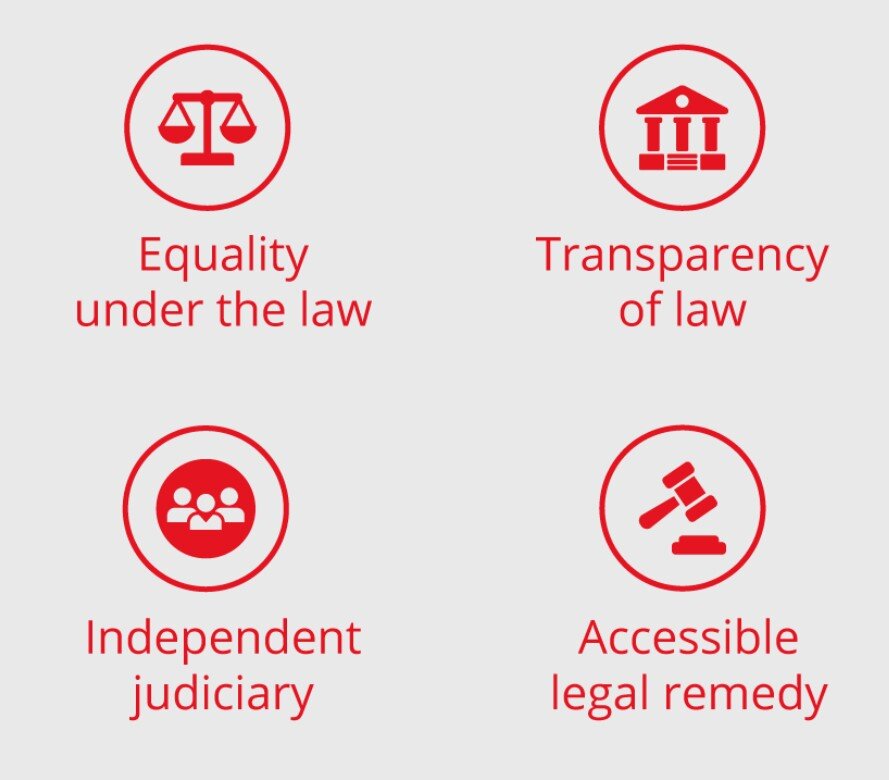
Ultimately, compliance is a commitment to doing business the right way.
The Cost of Cutting Corners
Ignoring compliance can have severe consequences that go far beyond a simple fine. Non-compliance can lead to government investigations, costly lawsuits, and even criminal charges for individuals within the organization. Operations can be disrupted or halted entirely, and the financial fallout can be devastating.
Perhaps the most lasting damage is to an organization's reputation. News of a major compliance failure spreads quickly, eroding customer trust and loyalty that may have taken years to build. A damaged reputation can be much harder to recover from than a financial loss.
The consequences go far beyond the legal sphere: criminal proceedings may result in loss of access to international contracts, supply chains, and financing, turning compliance into a strategic element of competitiveness as well as a legal obligation.
A Strategic Shield
Smart organizations view compliance not as a burden, but as a strategic advantage. A strong compliance framework is a powerful tool for risk management. By systematically identifying and adhering to relevant rules, a company can proactively spot potential legal, financial, and operational risks before they spiral into crises.
Compliance also drives efficiency. To ensure rules are being followed, organizations must create clear, repeatable processes. This standardization reduces errors, clarifies responsibilities, and often reveals smarter, more streamlined ways of working. When everyone knows the process and the rules, the entire operation runs more smoothly.
When compliance is consciously designed into business processes rather than merely bolted on, it inherently forces a review and optimization of existing workflows.
Ready to check your understanding?
What is the primary definition of compliance in a business context?
Beyond fines and legal fees, what is often the most enduring and damaging consequence of a significant compliance failure?
By weaving compliance into the fabric of their operations, organizations don't just protect themselves from risk—they build a more resilient, efficient, and trustworthy business from the ground up.