Mastering Complex Problem Solving
Framing Complex Problems
What's the Real Problem?
When faced with a complex challenge, our first instinct is often to jump straight to solutions. But the most effective problem-solvers know that a crucial step comes first: framing the problem correctly. Think of it like a doctor diagnosing an illness. A persistent headache is a symptom, not the root cause. The real problem might be dehydration, stress, or something more serious. A good doctor investigates before prescribing a treatment.
Problem framing is the process of defining and structuring a challenge to ensure you're working on the right thing. It involves stepping back to understand the context, the key issues at play, and what a successful outcome would actually look like. The frame you put around a problem dictates the entire range of solutions you'll consider.
How we frame problems is how we will solve those problems.
For example, framing a city's traffic issue as “not enough roads” leads to one set of solutions: building more highways. But framing it as “too many single-occupancy cars” opens up entirely different possibilities, like improving public transit, creating bike lanes, or promoting remote work. The initial frame sets the direction.
Mapping the Mess
Complex problems are rarely a single, neat issue. They're often a tangled web of interconnected factors, competing priorities, and unanswered questions. To make sense of this, you can use a technique called issue mapping. It’s a way to visually deconstruct a problem into its core components.
An issue map helps you see the relationships between different parts of the problem. You start with the main issue at the center and branch out, identifying contributing factors, stakeholders, constraints, and underlying questions. This process helps externalize your thoughts, making it easier to see the full picture and spot connections you might have missed.
This visual breakdown transforms a daunting, abstract problem into a set of smaller, more manageable pieces. It provides a shared reference point for a team and helps focus the conversation on specific, actionable areas.
A System for Arguments
While issue mapping is great for exploring a problem's structure, some challenges are defined by disagreement and debate. When multiple stakeholders have conflicting views, a more structured approach is needed. This is where the Issue-Based Information System (IBIS) comes in.
Developed in the 1970s, IBIS is a method for capturing and structuring arguments during complex, collaborative problem-solving. It's built on a simple but powerful grammar with three core elements:
Questions: These are the core issues being debated (e.g., "How should we improve customer retention?").
Positions: These are potential answers or ideas in response to a question (e.g., "We should launch a loyalty program.").
Arguments: These are statements that either support (Pros) or challenge (Cons) a position (e.g., "A loyalty program would increase repeat business" or "It would be too expensive to implement.").
Every position can be challenged or supported, and any argument can itself become a question, creating a nested, logical structure. This creates a clear map of the conversation, showing not just the final decisions but the reasoning and trade-offs behind them.
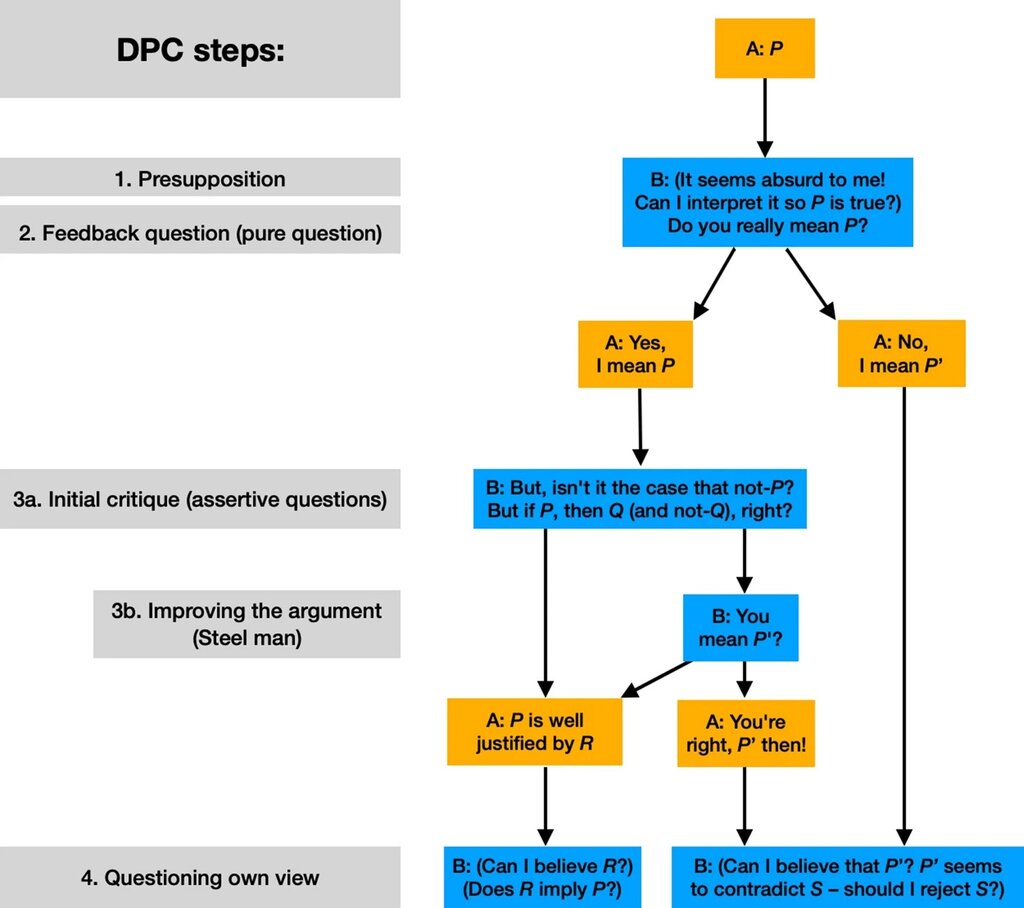
Using IBIS helps teams navigate contentious topics constructively. It separates ideas from egos and ensures all viewpoints are considered and evaluated on their merits. The final map serves as a powerful record of the decision-making process, making it transparent and easy to revisit.
What is the primary goal of problem framing?
A tech company notices that user engagement with their app drops significantly after the first week. If they frame the problem as "Users find the onboarding process confusing," what kind of solution are they most likely to explore?
Correctly framing a problem is more than half the battle. By using techniques like issue mapping and IBIS, you can cut through the complexity and focus your energy where it matters most.