Mastering Competitive Analysis
Introduction to Competitive Analysis
What Is Competitive Analysis?
Imagine you're opening a new coffee shop. Before you even pick a location, you'd probably check out the other cafes in the area. What are they good at? Where do they fall short? What kind of customers do they attract? That process of gathering information to make smarter decisions is the heart of competitive analysis.
Competitive Analysis
noun
The strategic process of researching your rivals to identify their strengths and weaknesses in relation to your own.
It’s not about secretly copying your competitors' every move. It’s about understanding the playing field. A thorough analysis gives you a clear picture of the market you’re in, helping you find opportunities to stand out and better serve your customers.
A competitive landscape analysis is the ongoing process of identifying, researching, and evaluating competitors, in order to glean insight to inform your business strategy.
Why Bother Analyzing Competitors?
The main goal of competitive analysis isn't just to know what others are doing; it's to find your own unique advantage. By understanding their strategies, you can carve out a space where your business can thrive.
Knowing your competition helps you understand your own business better.
Conducting this analysis has several key benefits:
-
Identify Market Gaps: You might discover a customer need that no one is meeting. Maybe every coffee shop in town focuses on quick takeaway orders, leaving an opening for a cozy spot where people can sit and work for hours.
-
Refine Your Product or Service: Seeing what competitors offer can spark ideas for improving your own product. If a rival's app has a confusing interface, you know to prioritize a user-friendly design.
-
Improve Marketing: By analyzing how your competitors reach customers, you can find more effective marketing channels or craft messaging that highlights what makes you different.
-
Anticipate Market Shifts: Keeping an eye on the competition helps you spot trends early, allowing you to adapt before you get left behind.
A Quick Look at the Process
Competitive analysis isn't a one-time task; it's an ongoing process. Markets change, new competitors emerge, and customer preferences evolve. While the specific methods can get complex, the overall process follows a few logical steps.
First, you identify who your competitors are. This includes direct competitors, who sell a similar product to the same audience, and indirect competitors, who solve the same problem with a different solution.
Next, you gather information. This could involve looking at their website, social media, pricing, and customer reviews. The goal is to collect data on their marketing, sales, and product strategies.
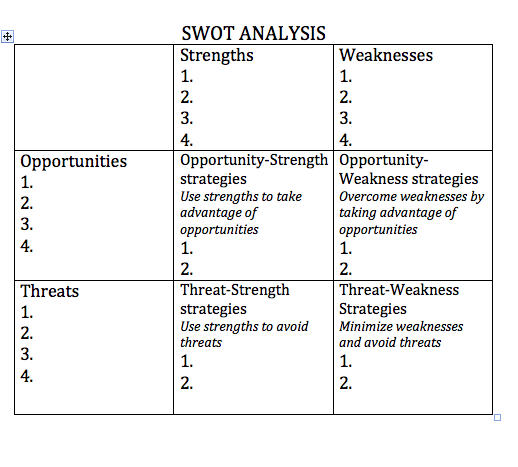
Then, you analyze the data to find patterns. You compare their strengths and weaknesses to your own. Where do they excel? Where are their blind spots? This is where you'll find your opportunities.
Finally, you use these insights to take action. This might mean adjusting your price, launching a new marketing campaign, or adding a new feature to your product. The analysis is only valuable if it leads to smarter decisions.
What is the primary goal of competitive analysis?
A business that sells a completely different product but solves the same customer problem is known as a(n) ________ competitor.
By regularly checking in on the competitive landscape, you can ensure your business stays relevant and continues to offer real value to your customers.