Mastering Competitive Analysis
Introduction to Competitive Analysis
Know Your Competition
Imagine a chess master who only studies their own moves. They might perfect a few openings, but they’ll be completely unprepared for their opponent's strategy. Business is a lot like that. To succeed, you can't just focus on your own brilliant ideas. You have to understand the entire board, and that means knowing your competitors.
Competitive analysis is the process of identifying who your competitors are and evaluating their strategies to determine their strengths and weaknesses relative to your own business. It’s not about copying them. It’s about understanding the landscape so you can find your own unique path to success.
Competitive analysis, the process of evaluating your rivals to uncover strengths, weaknesses, and opportunities, lays the foundation for strategic positioning.
The Payoff
Spending time analyzing the competition isn't just an academic exercise. It has real, tangible benefits that can shape your entire strategy.
First, it helps you spot gaps in the market. By seeing what others are doing, you can also see what they aren't doing. Is there a customer need that no one is meeting? Is there a service that could be offered in a better, faster, or cheaper way? These gaps are opportunities waiting to be filled.
It also allows you to refine your own products and marketing. Seeing a competitor's success (or failure) provides valuable lessons without you having to risk your own time and money. You can learn what messaging resonates with customers, what features are in demand, and what pricing strategies work.
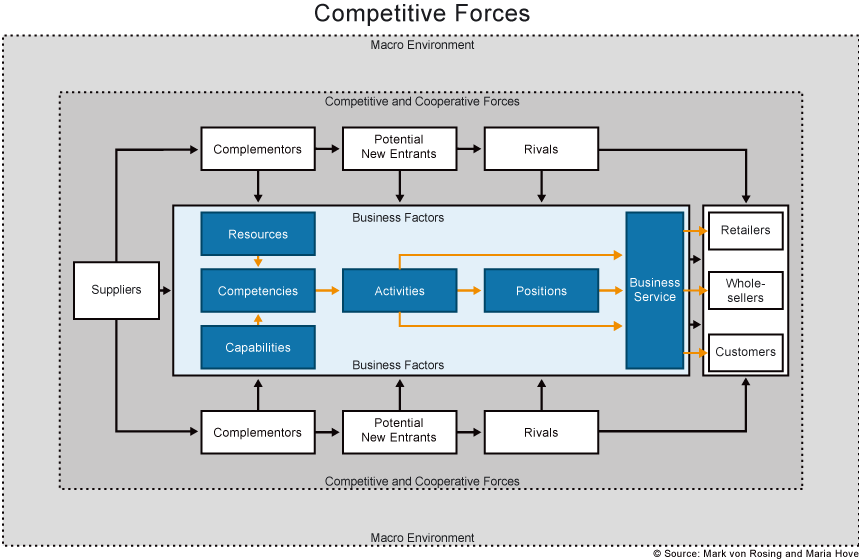
Finally, a clear understanding of the competition is the foundation for a strong competitive advantage. It helps you answer the most important question for any business: Why should a customer choose you over everyone else?
The Core Components
A good competitive analysis doesn't have to be overwhelmingly complex. It boils down to three core activities.
1. Competitor Identification This is the first step: figuring out who you’re actually competing with. It's easy to spot direct competitors, the ones who sell a similar product to the same audience. But you also need to consider indirect competitors, who solve the same problem with a different solution. For example, a movie theater's direct competitor is another theater, but its indirect competitors include streaming services, bowling alleys, and restaurants.
2. Market Assessment Once you know who the players are, you need to understand the game. Market assessment involves looking at the bigger picture. What are the current trends in the industry? Is the market growing or shrinking? What do customers value most? This step provides the context for your analysis, helping you understand the forces that affect all businesses in your space.
3. Strategic Positioning This is where everything comes together. After identifying competitors and assessing the market, you can determine where your business fits in. Strategic positioning is about carving out a unique space for your brand in the minds of consumers. You analyze what makes your competitors successful and find a way to differentiate your own offering. Your goal isn't just to be another option, but to be the best option for a specific group of customers.
Time to review what you've learned.
What is the primary goal of competitive analysis?
Which of the following is described as a key benefit of analyzing your competition?
By consistently performing these three steps, you move from simply reacting to the market to proactively shaping your own success within it.