Mastering Competitive Analysis
Introduction to Competitive Analysis
What Is Competitive Analysis?
Competitive analysis is the process of identifying who your competitors are and evaluating their strategies to determine their strengths and weaknesses relative to your own business, product, or service. It’s like studying the playbook of other teams in your league. You want to understand what they do well, where they struggle, and how they approach the game.
The main goal isn't just to copy your rivals. It's to find gaps in the market, anticipate their next moves, and make smarter decisions for your own business. By understanding the competitive landscape, you can position your brand more effectively and find unique ways to serve your customers.
Competitive analysis, the process of evaluating your rivals to uncover strengths, weaknesses, and opportunities, lays the foundation for strategic positioning.
Why Bother Analyzing Competitors?
Conducting a competitive analysis offers several key benefits. First, it helps you refine your unique value proposition (UVP). Seeing what everyone else offers makes it easier to define what makes your product or service special. It answers the question: "Why should a customer choose me over them?"
Second, it reveals market gaps. You might discover an underserved customer segment, a missing product feature, or a pricing strategy that no one else is using. These gaps are opportunities for you to innovate and capture market share.
By researching companies active in your market, you can identify market gaps, avoid common pitfalls, and refine your unique value proposition so that your idea has a chance to stand out.
Finally, analysis helps you stay ahead of market trends and threats. If a competitor is adopting a new technology or marketing channel successfully, it’s a signal you should pay attention. Likewise, understanding their weaknesses can help you prepare for and counter their potential strategies.
Frameworks for Analysis
To give structure to your analysis, you can use established frameworks. These aren't rigid rules but helpful guides for organizing your thoughts. Two of the most common are SWOT analysis and Porter's Five Forces.
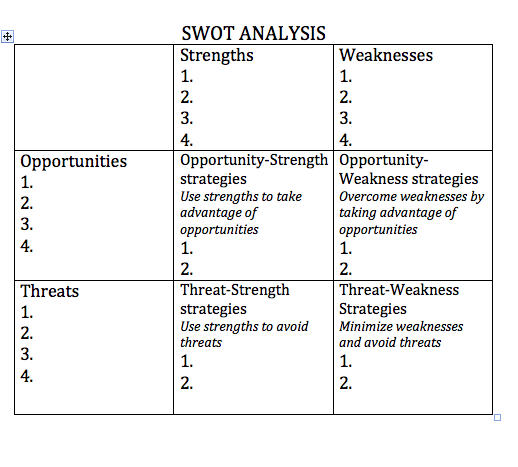
A SWOT analysis prompts you to look at Strengths, Weaknesses, Opportunities, and Threats. Strengths and weaknesses are internal to your company, while opportunities and threats are external factors in the market. It's a straightforward way to get a snapshot of where you stand.
Porter's Five Forces is a broader framework for analyzing an industry's overall competitiveness. It examines five key forces: the threat of new entrants, the bargaining power of buyers, the bargaining power of suppliers, the threat of substitute products or services, and the intensity of rivalry among existing competitors. This helps you understand the power dynamics in your market.
These frameworks provide a starting point. They guide you in looking at the competitive environment from different angles, ensuring you cover the most important factors.