Mastering Competitive Analysis
Understanding Competitive Analysis
What Is Competitive Analysis?
Think of business like a sport. Before any big game, a team studies its opponents. They watch game tapes, analyze plays, and learn the other team's strengths and weaknesses. This helps them build a winning game plan. Competitive analysis is the business version of watching those game tapes.
A competitive landscape analysis is the ongoing process of identifying, researching, and evaluating competitors, in order to glean insight to inform your business strategy.
It’s a structured way to identify who your competitors are and understand how they operate. You look at their products, pricing, marketing, and overall business strategy. The goal isn't to copy them, but to understand the landscape you're competing in. It's about gathering intelligence to make smarter decisions for your own business.
The Goals of the Game
When you conduct a competitive analysis, you have a few key objectives. It’s not just about making a list of other companies. It’s about digging deeper to understand the competitive forces at play.
First, you need to identify your rivals. This includes direct competitors who sell a similar product to your target audience, and indirect competitors who solve the same problem with a different solution. For example, a movie theater's direct competitor is another theater, but an indirect competitor is a streaming service like Netflix.
Next, you aim to understand their strategies. How do they attract customers? What are their prices, and what value do they offer for that price? What is their marketing message? Answering these questions reveals how they position themselves in the market.
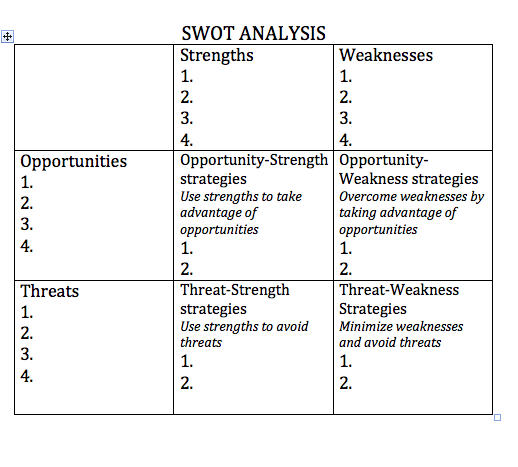
Finally, the analysis should pinpoint their strengths and weaknesses. What do they do exceptionally well? Where are their vulnerabilities? A common way to organize these findings is a SWOT analysis, which looks at Strengths, Weaknesses, Opportunities, and Threats.
Why It's Worth the Effort
Conducting a competitive analysis isn't just an academic exercise. It delivers real, tangible benefits that can shape the future of your business.
One of the biggest benefits is identifying market gaps. By seeing what competitors aren't doing, you can find unmet customer needs. Maybe everyone else is focused on a high-end market, leaving an opening for an affordable alternative. Or perhaps no one offers great customer service, giving you a chance to stand out.
This process helps you find the holes in the market—the opportunities that others have missed.
This analysis also helps you refine your own strategy. You can learn from your competitors' successes and failures without making the same expensive mistakes yourself. It might inspire you to improve your product, adjust your pricing, or try a new marketing channel.
Ultimately, understanding the competition helps you define your unique value proposition (UVP). It clarifies what makes your business different and better. In a crowded market, a strong UVP is what convinces a customer to choose you over everyone else. It's not just about being in the game; it's about knowing how to win it.
What is the primary goal of conducting a competitive analysis?
A movie theater's direct competitor is another theater. Which of the following is the best example of an indirect competitor for the movie theater?