Mastering Competitive Analysis
Understanding Competitive Analysis
Understanding the competition
No business operates in a vacuum. Around you, other companies are vying for the same customers' attention and money. Competitive analysis is the process of identifying these rivals and evaluating their strategies to determine their strengths and weaknesses relative to your own business.
The goal isn't just to copy what others are doing. It's to understand the market landscape so you can find a unique space to thrive.
By studying the competition, you can make more informed decisions. The primary objectives are to spot opportunities you can seize and threats you need to manage. A thorough analysis helps you understand what customers in your market expect, which can lead to better products and more effective marketing. You can discover gaps in the market—customer needs that no one is meeting well—and position your business to fill them. This insight gives you a strategic edge, helping you anticipate market shifts and react proactively.
Who are you competing against?
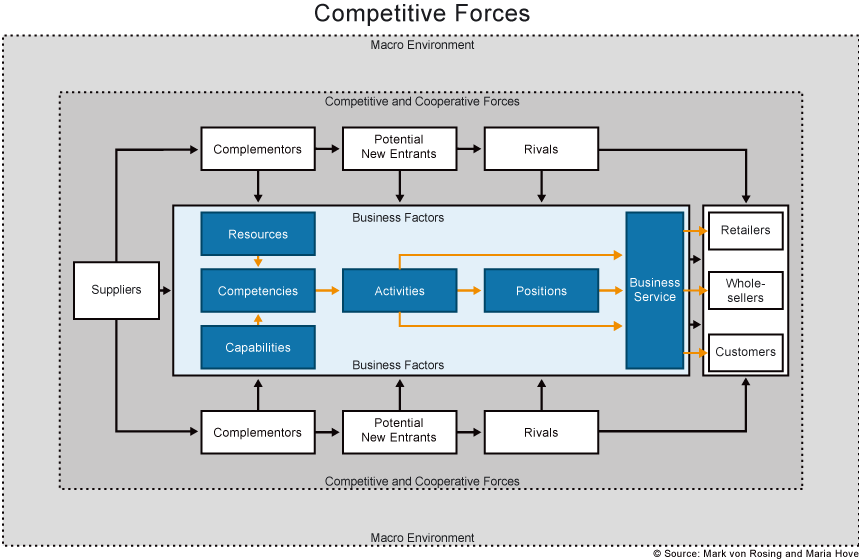
Your competition isn't always who you think it is. To get a full picture, it's helpful to categorize competitors into three main types. Understanding each helps you see the market from different angles and prepare for challenges from all sides.
Direct competitor
noun
A business that offers a very similar product or service to the same target audience.
These are the rivals that first come to mind. They are fighting for the same customer with a nearly identical solution. Think McDonald's versus Burger King, or Toyota versus Honda. Analyzing direct competitors is crucial for pricing, feature development, and marketing messages because your customers are actively comparing you.
Indirect competitor
noun
A business that offers a different product or service, but one that satisfies the same customer need.
Indirect competition is about solving the same underlying problem. A person looking for a quick lunch could choose a pizza place or a sandwich shop. The products are different, but the customer's "job to be done" is the same. Ignoring indirect competitors means missing a large part of your market. They reveal different ways to meet customer needs, which can inspire innovation.
Potential competitor
noun
A business that is not currently in your market but has the capability to enter it.
These are the threats on the horizon. A potential competitor could be a company in an adjacent market that decides to expand, or a new startup with a groundbreaking technology. For example, when Apple launched the iPhone, it became a potential, and then direct, competitor to camera companies, GPS device makers, and music player manufacturers. Keeping an eye on these future rivals is key to long-term survival and avoiding being caught by surprise.
Time to check your understanding of these concepts.
What is the primary purpose of conducting a competitive analysis?
A local movie theater and a streaming service like Netflix both compete for a person's Friday night entertainment budget. What type of competitors are they to each other?
By understanding who your competitors are—direct, indirect, and potential—you lay the groundwork for building a strong, resilient business strategy.