Mastering Competitive Analysis
Understanding Competitive Analysis
Understanding Your Rivals
No business operates in a vacuum. You have competitors, and they're all trying to win over the same customers you are. Competitive analysis is simply the process of identifying who your competitors are and evaluating their strategies to determine their strengths and weaknesses in relation to your own business.
Think of it like a sports team studying game footage of their rivals. They're not looking to copy every play. Instead, they want to understand the other team's playbook, find gaps in their defense, and figure out how to leverage their own strengths for a win. That's exactly what you're doing for your business.
The main goal is to gather the intelligence needed to find your competitive edge and build a winning strategy.
The Benefits of Analysis
Conducting a thorough competitive analysis offers several clear advantages. First, it helps you identify gaps in the market. You might discover a customer need that your competitors are completely ignoring. This is your chance to swoop in and offer a solution.
It also allows you to benchmark your own performance. Are your prices competitive? Is your marketing as effective? By seeing what others are doing, you get a much clearer picture of where you stand and what you need to improve.
By researching companies active in your market or niche, you can identify market gaps, avoid common pitfalls, and most importantly of all - refine your unique value proposition so that your idea has a chance to stand out in the competitive landscape.
Finally, this analysis can spark new ideas. Seeing a competitor's successful social media campaign might inspire you to try a new marketing channel. Learning about a feature on their product could lead to an even better innovation for your own.
A Cornerstone of Strategy
Competitive analysis isn't just a research project you complete once and file away. It's a vital, ongoing part of your strategic planning. The insights you gain should directly inform your business decisions.
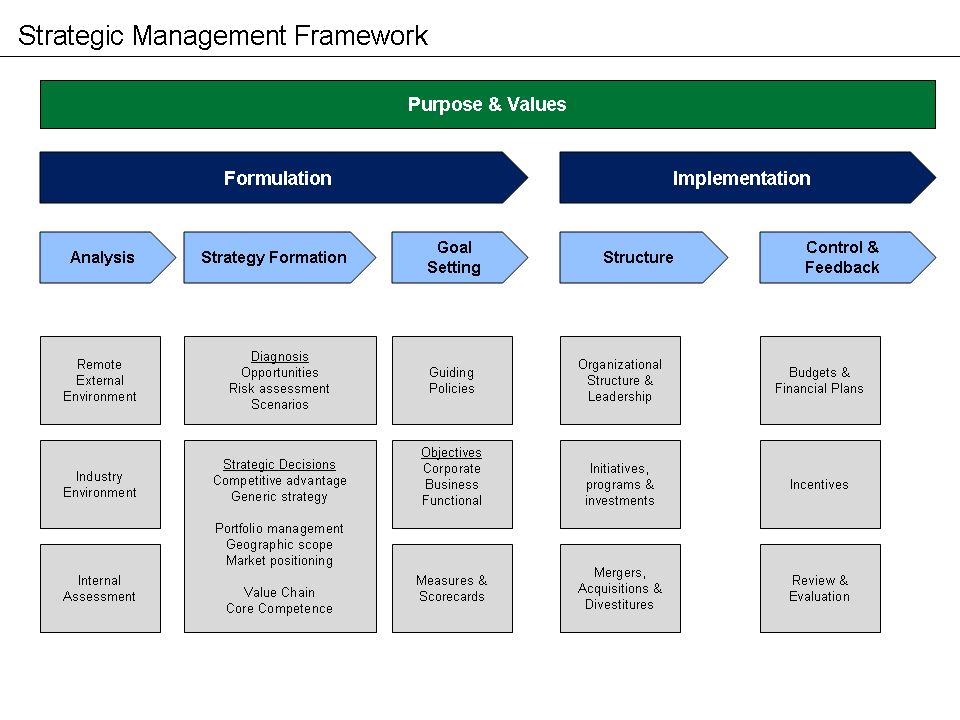
For example, if your analysis shows that your main competitor's weakness is poor customer service, you can make outstanding service a core part of your strategy. If you learn that a new company is entering the market with a low-cost product, you might decide to focus on quality and brand reputation instead of trying to compete on price.
Ultimately, by understanding the competitive landscape, you're not just reacting to what others are doing. You're making proactive, informed choices that position your business for long-term success.
What is the primary goal of conducting a competitive analysis?
According to the text, competitive analysis is a one-time research project that a business completes when it first launches.