Mastering Competitive Analysis
Understanding Competitive Analysis
Understanding the Competition
No business operates in a vacuum. Around you are other companies selling similar things to the same people. A competitive analysis is simply the process of identifying these rivals and evaluating their strategies to determine their strengths and weaknesses in relation to your own business.
A competitive landscape analysis is the ongoing process of identifying, researching, and evaluating competitors, in order to glean insight to inform your business strategy.
Think of it like a sports team studying game film of their opponents. They're not just watching to copy plays. They're looking for patterns, weaknesses in the defense, and opportunities to exploit. In business, you're doing the same thing: looking for gaps in the market that your competitors have missed or areas where you can offer something better.
A Cornerstone of Strategy
Competitive analysis isn't just a research project; it's a fundamental part of strategic planning. The insights you gather directly inform your decisions. How can you set a price for your product without knowing what others charge? How can you market your services effectively if you don’t know what messages customers are already hearing?
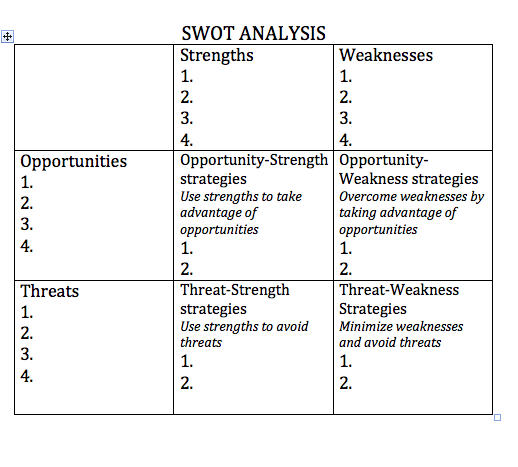
By understanding the competitive landscape, you can carve out a unique position for your business. For example, if your analysis reveals that all your competitors focus on low prices but offer slow, impersonal service, you've found a golden opportunity. Your strategy could be to position your company as the premium, high-touch service provider that’s worth a slightly higher price. This insight comes directly from looking at what others are—and aren't—doing.
The Payoff
Regularly assessing your competition offers several clear benefits. It helps you anticipate shifts in the market, understand industry trends, and stay agile. A competitor might launch a new feature that customers love, signaling a new direction for the market. By noticing this early, you can adapt your own plans instead of being left behind.
The main goal is to uncover opportunities and identify threats. You can learn from your competitors' successes and avoid their mistakes.
This process also forces you to be objective about your own business. It's easy to become convinced that your product is the best. But when you place it side-by-side with a competitor's, you might see areas for improvement you had overlooked. This honest assessment is crucial for long-term growth and avoiding complacency.
What is the primary purpose of conducting a competitive analysis?
According to the text, if an analysis shows all your competitors focus on low prices and impersonal service, this represents a golden ____.