Mastering Competitive Analysis
Understanding Competitive Analysis
Know Your Competition
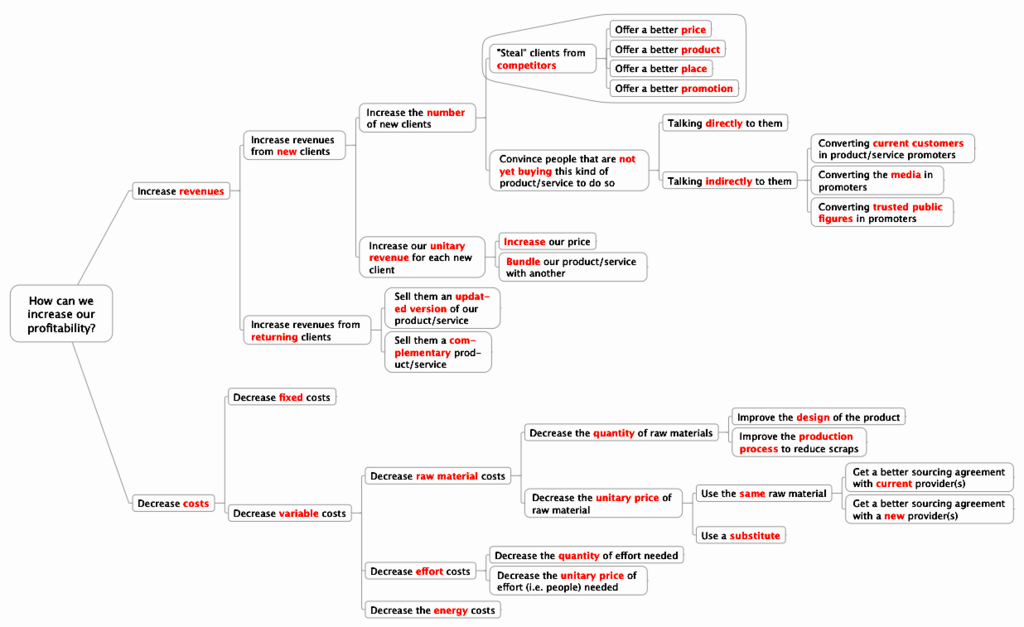
Imagine you're coaching a basketball team. You wouldn't send your players onto the court without studying the opponent's plays, star players, and weaknesses. Business is no different. Competitive analysis is the process of systematically identifying and evaluating your competitors to understand their strengths and weaknesses in relation to your own.
The goal isn't to copy what others are doing. It's to find opportunities, anticipate threats, and make smarter, more informed decisions about where your business should go next. It’s a fundamental part of strategic planning.
A competitive landscape analysis is the ongoing process of identifying, researching, and evaluating competitors, in order to glean insight to inform your business strategy.
The Strategic Advantage
So, why spend time looking at other companies? A thorough competitive analysis offers huge benefits. It helps you uncover market gaps—needs that customers have that no one is fully meeting. Maybe competitors offer a great product but have poor customer service, or perhaps they all target the same broad audience, leaving a niche segment underserved. Finding these gaps is like discovering a shortcut to growth.
This process also forces you to get honest about your own business. By seeing what your rivals do well, you can identify areas where you need to improve. Conversely, by pinpointing their weaknesses, you can find your own strategic advantages and highlight what makes your business the better choice for customers.
Core Components
A good competitive analysis doesn't have to be overly complex. It generally breaks down into three key activities: identifying who your competitors are, researching what they're doing, and analyzing the information in a structured way.
First, you need to identify your competitors. This is often more nuanced than it seems. Competitors come in a few flavors:
- Direct Competitors: They sell a similar product or service to the same target audience. Think McDonald's and Burger King.
- Indirect Competitors: They offer different products that solve the same problem for the customer. A movie theater and a streaming service are indirect competitors for an evening's entertainment.
- Substitute Competitors: These are different products or services that a customer could use instead of yours. For a coffee shop, a substitute could be an energy drink or even a cup of tea made at home.
Once you know who you're up against, market research begins. This is where you gather information. You'll look at their products, pricing, marketing strategies, and customer reviews. The goal is to collect factual data about how they operate and how they are perceived by customers.
Finally, you need a way to make sense of all this information. This is where a framework like SWOT analysis comes in. It's a simple but powerful tool for organizing your findings.
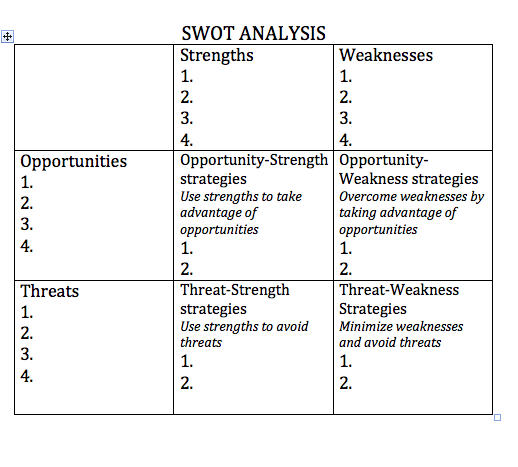
SWOT stands for Strengths, Weaknesses, Opportunities, and Threats.
- Strengths: What does your competitor do well? What are their advantages?
- Weaknesses: Where are they falling short? What do customers complain about?
- Opportunities: What market trends could they take advantage of? (You could too!)
- Threats: What external factors could harm their business? (These might also affect you.)
By analyzing both your own business and your competitors through this lens, you can start to see a clear path forward.
What is the primary goal of conducting a competitive analysis?
A high-end steakhouse and a fast-food burger chain in the same city are best described as what type of competitors?
Understanding your competitive landscape is a continuous process, not a one-time task. Markets change, new competitors emerge, and customer needs evolve. Regularly analyzing your competition ensures your strategy stays relevant and sharp.