Mastering Competitive Analysis
Introduction to Competitive Analysis
Understanding the Competition
No business operates in a vacuum. Around you, other companies are vying for the same customers' attention and money. Understanding this landscape isn't just about keeping tabs on rivals; it's a fundamental part of building a smart, resilient business strategy. This process is called competitive analysis.
A competitive landscape analysis is the ongoing process of identifying, researching, and evaluating competitors, in order to glean insight to inform your business strategy.
Think of it as strategic reconnaissance. The goal is to figure out who your competitors are, what they're doing well, and where they're falling short. By doing this, you can spot opportunities that others have missed. Maybe there's a customer group everyone is ignoring, or a common frustration with existing products that you can solve.
The main objectives are to:
- Identify market gaps: Find unmet customer needs.
- Uncover competitive advantages: Figure out what makes your business unique and valuable.
- Inform your strategy: Make smarter decisions about pricing, marketing, and product development.
Who Are You Competing With?
When you think of a competitor, you probably picture a business that looks a lot like yours. But the competitive landscape is broader than that. Competitors fall into a few different categories, and it's important to consider all of them.
Recognizing all three types gives you a full 360-degree view of the market. A new substitute could disrupt your industry more than a direct competitor you've been watching for years. Ignoring indirect competition means missing out on how customers truly see their options.
A Foundation for Strategy
Competitive analysis isn't an academic exercise. It's the foundation for making sharp, informed decisions across your entire business. The insights you gather can help you price your products more effectively, craft marketing messages that resonate, and decide which new features to build next.
By understanding the competitive landscape, you can move from reacting to the market to proactively shaping your place within it.
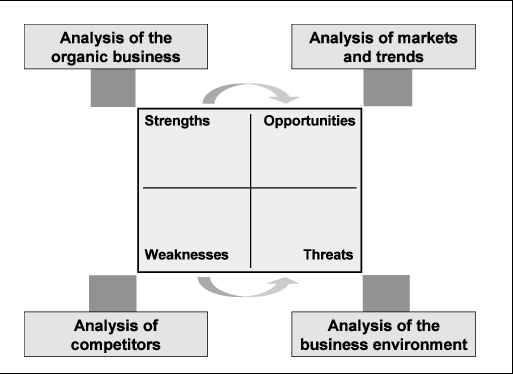
To perform this analysis, businesses use several tools and frameworks. One of the most common is a SWOT analysis, which helps organize a competitor's Strengths, Weaknesses, Opportunities, and Threats. Another is Porter's Five Forces, a model that examines the different sources of pressure in an industry.
These tools provide a structured way to look at the market, turning a sea of information into a clear map that can guide your strategy.
Ultimately, the goal isn't to copy your competitors. It's to understand them so well that you can find your own unique path to success.
What is the primary goal of conducting a competitive analysis?
A new streaming service for movies is launched. From the perspective of a local movie theater, this new service is best classified as which type of competitor?