Mastering Competitive Analysis
Competitive Analysis Fundamentals
Understanding the Playing Field
No business operates in a vacuum. Around you are other companies, all vying for the attention and dollars of the same customers. Competitive analysis is simply the process of learning about these other players to figure out how your own business can best compete.
The goal isn't to copy what others are doing. It's to understand their strategies, strengths, and weaknesses so you can find your own unique advantages. By looking closely at the competitive landscape, you can spot opportunities that others have missed and avoid pitfalls they've fallen into.
A competitive landscape analysis is the ongoing process of identifying, researching, and evaluating competitors, in order to glean insight to inform your business strategy.
The Core Components
A good competitive analysis breaks down into a few key activities. Think of it as a fact-finding mission with three main stops.
1. Market Research This is your starting point. Before you can understand your competitors, you need to understand the market you all share. Market research involves looking at the industry as a whole. How big is it? Is it growing or shrinking? What are the current trends? What do customers in this market really want?
2. Competitor Profiling Once you understand the market, you can zoom in on individual competitors. Profiling means creating a detailed snapshot of each key rival. You’ll want to answer questions like:
- Who are their target customers?
- What products or services do they offer?
- What are their prices?
- How do they market and sell their offerings?
- What are they known for? (e.g., great customer service, low prices, innovative features)
Gathering this information helps you see exactly how your business stacks up against the competition, feature by feature and benefit by benefit.
3. SWOT Analysis After you've gathered all this data, you need a way to make sense of it. A SWOT analysis is a simple but powerful framework for organizing your findings. SWOT stands for Strengths, Weaknesses, Opportunities, and Threats.
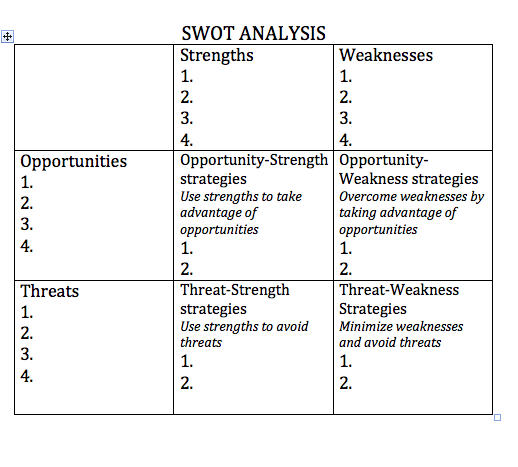
Here's how it works:
- Strengths: What do you do well? What are your internal advantages?
- Weaknesses: Where could you improve? What internal factors put you at a disadvantage?
- Opportunities: What external factors could you take advantage of? Think of market trends or competitor weaknesses.
- Threats: What external factors could harm your business? This might include new competitors, changing regulations, or shifts in consumer behavior.
The Strategic Payoff
So, why go through all this effort? Because a thorough competitive analysis is the foundation of a smart business strategy. It helps you move from guesswork to informed decision-making.
The benefits are concrete. You can pinpoint gaps in the market—customer needs that no one is fully meeting. This allows you to carve out a unique position for your brand. It also informs everything from your pricing strategy to your marketing messages, helping you highlight what makes your business the better choice.
Competitive analysis helps you find the empty spaces on the board where your business can make a winning move.
Ultimately, understanding your competition helps you better understand your own business and the value you bring to your customers. It's not a one-time task but an ongoing habit that keeps your strategy sharp and relevant in a constantly changing market.