Mastering Competitive Analysis
Understanding Competitive Analysis
Understanding the Competition
No business operates in a vacuum. Around you are other companies selling similar products or services, all competing for the same customers. A competitive analysis is simply the process of identifying these rivals and evaluating their strategies to determine their strengths and weaknesses in relation to your own.
The goal isn't to copy what others are doing. It's to gain a clear picture of the market landscape. By understanding what your competitors do well and where they fall short, you can make more informed decisions about your own business strategy, from product development to marketing.
Competitive analysis helps you learn from businesses competing for your potential customers.
Finding Your Advantage
Conducting a competitive analysis brings several key benefits. First, it helps you spot gaps in the market. If all your competitors focus on high-end customers, there might be a huge opportunity to serve a budget-conscious audience. Or you might notice a product feature that no one else offers.
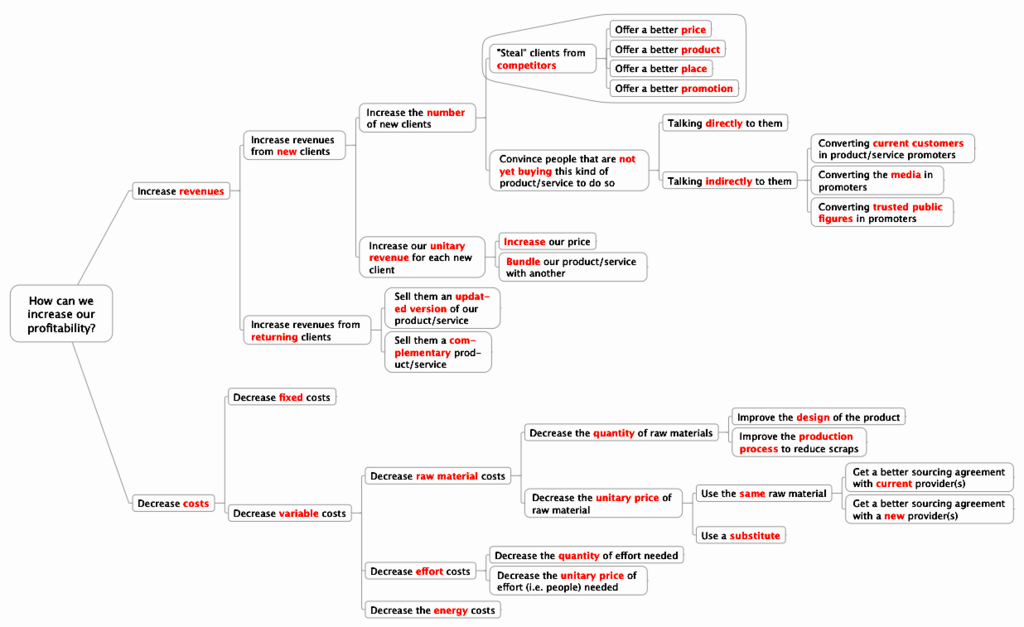
It also provides a benchmark for your own performance. Are your prices competitive? Is your customer service as good as the industry leader's? This process reveals where you're leading the pack and where you need to improve.
Ultimately, a good analysis helps you define your unique value proposition—the specific thing that makes you the better choice for a customer. It's the foundation for building a sustainable advantage that sets you apart from the crowd.
A Framework for Analysis
One of the most common tools for organizing your findings is a SWOT analysis. SWOT is an acronym that stands for Strengths, Weaknesses, Opportunities, and Threats.
| Category | Description | Origin |
|---|---|---|
| Strengths | What your competitor does well. | Internal |
| Weaknesses | Where your competitor is lacking. | Internal |
| Opportunities | External factors they could leverage. | External |
| Threats | External factors that could harm them. | External |
Strengths and weaknesses are internal to the company. They include things like their brand reputation, their team's expertise, or their product quality. Opportunities and threats are external factors. These could be market trends, new technologies, or changes in government regulations.
By breaking down the competition into these four categories, you can see the landscape more clearly and identify strategic moves for your own business. For example, a competitor's weakness might be a market opportunity for you to seize.
Now that you understand the what and why, let's test your knowledge.
What is the primary goal of a competitive analysis?
In a SWOT analysis, which two elements are considered internal factors for a company?
Competitive analysis isn't a one-time task but an ongoing process. Markets change, new competitors emerge, and customer needs evolve. Staying aware of the competitive landscape is crucial for long-term success.