Mastering Competitive Analysis
Understanding Competitive Analysis
Understanding the Playing Field
Imagine you're coaching a soccer team. You wouldn't send your players onto the field without knowing anything about the opposing team, would you? You'd want to know their star players, their favorite plays, and their defensive weaknesses. Competitive analysis is the business version of watching game tape on your opponent.
Competitive analysis, the process of evaluating your rivals to uncover strengths, weaknesses, and opportunities, lays the foundation for strategic positioning.
It's a structured way of identifying your competitors and evaluating their strategies to determine their strengths and weaknesses relative to your own business. The main goal isn't to copy what others are doing. Instead, it's about gathering intelligence to make the best possible decisions for your company.
The key objectives are to:
- Identify who your direct and indirect competitors are.
- Understand their products, pricing, and marketing tactics.
- Pinpoint market gaps and unmet customer needs.
- Anticipate how competitors might react to your moves.
Why It's a Game Changer
Conducting a competitive analysis is more than just an academic exercise; it has real-world benefits that directly impact your strategy. By understanding the competitive landscape, you can carve out a unique space for your business and avoid costly mistakes.
The biggest benefit is clarity. It helps you stop guessing about the market and start making informed decisions based on evidence.
A thorough analysis helps you define your unique value proposition—the thing that makes you different and better than the competition. It reveals opportunities that others might have missed, allowing you to innovate and meet customer needs in new ways. It also acts as an early warning system, highlighting potential threats before they become major problems.
The Core Components
A good competitive analysis looks at a few key areas. Think of these as the different categories you'd use to scout that rival sports team. You don't just look at one thing; you build a complete picture.
| Component | What to Look For |
|---|---|
| Competitor Profile | Their products/services, pricing, target audience, and marketing strategies. What are they great at? Where do they fall short? |
| Market Trends | Broader shifts in the industry, such as new technologies, changing regulations, or evolving consumer tastes. |
| Customer Needs | What customers in the market truly want. Are there common complaints or desires that no one is addressing? This is where you find gaps. |
By examining these three areas together, you can see how your business fits into the bigger picture. You'll understand not just what your competitors are doing, but also the context in which they're operating.
Frameworks to Guide You
You don't have to start from scratch. Several established frameworks can help structure your analysis. These tools provide a lens through which to view the competitive landscape.
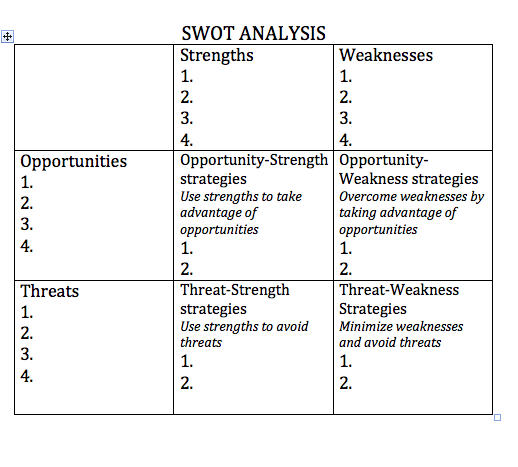
One of the most popular is the SWOT analysis. It's a simple grid that helps you map out your company's (and your competitors') Strengths, Weaknesses, Opportunities, and Threats.
Another powerful tool is Porter's Five Forces. This framework helps you understand the different pressures that shape your industry. It examines five key areas:
- Competitive Rivalry: How intense is the competition among existing players?
- Threat of New Entrants: How easy is it for new companies to enter your market?
- Threat of Substitute Products: Can customers easily find another way to solve their problem?
- Bargaining Power of Buyers: How much power do your customers have to drive down prices?
- Bargaining Power of Suppliers: How much power do your suppliers have to drive up costs?
Using these frameworks can help you organize your thoughts and ensure you're looking at the market from all critical angles.
Now, let's test your understanding of these core concepts.
What is the primary goal of conducting a competitive analysis?
A SWOT analysis helps a company map out its Strengths, Weaknesses, Opportunities, and ______.
Understanding the competitive landscape is the first step toward building a resilient and successful business strategy. It equips you with the knowledge to navigate your market with confidence.